Puppy Care: The Ultimate Guide for Effortless Potty Training Success
Puppy care is a rewarding but sometimes challenging journey, especially when it comes to potty training. Every new puppy owner wants a smooth transition to a clean and happy home, and mastering effective potty training is a crucial step in that direction. With patience, consistency, and the right techniques, you can set your puppy up for success and enjoy a well-behaved furry friend. This ultimate guide breaks down the essentials of puppy care with a focus on easy and effective potty training strategies.
Understanding Puppy Care Basics: Why Potty Training Matters
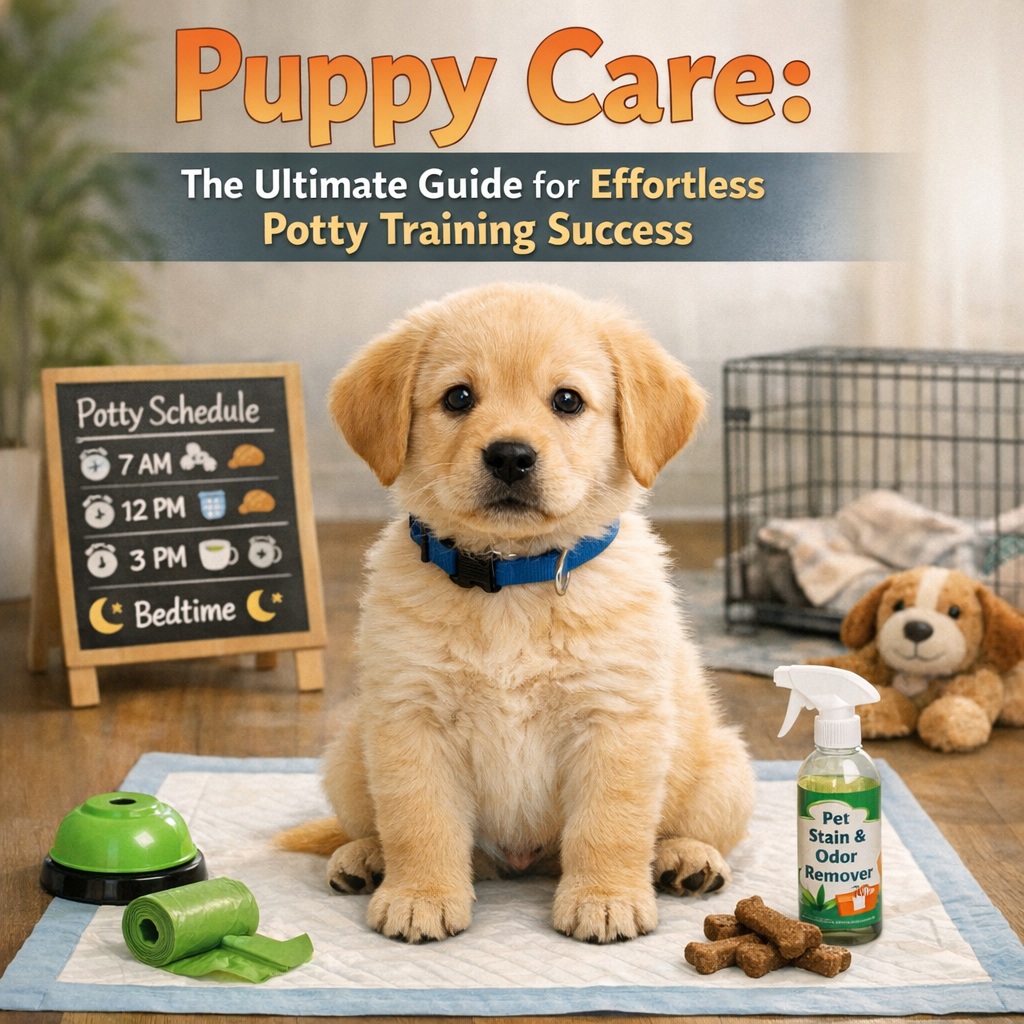
Good puppy care starts with establishing a solid routine that ensures your puppy feels secure and knows what’s expected. Potty training is often one of the first—and most important—tasks a new pet parent faces. Without proper training, puppies can develop habits that are difficult to break later on, leading to frustration on both sides. Consistent potty habits not only keep your home clean but also nurture your puppy’s confidence and well-being.
Key Puppy Care Elements That Support Potty Training
– Creating a safe and comfortable space: Puppies thrive when they have a designated area that feels like their own. A crate or a small pen can be excellent potty training tools since dogs instinctively avoid soiling their sleeping area.
– Regular feeding schedules: Predictable meal times lead to predictable bathroom needs, making it easier to anticipate when your puppy will need to go.
– Supervision and vigilance: Watching your puppy closely helps you catch signs that they need to go, such as sniffing, circling, or sudden restlessness.
Effective Potty Training Techniques in Puppy Care
The goal of potty training is to teach your puppy where they are allowed to relieve themselves and to reinforce this behavior positively. These methods, rooted in puppy care best practices, can help you navigate this phase with ease.
Establish a Consistent Routine
Puppies learn through repetition and predictability. Taking your puppy outside at the same times every day—such as first thing in the morning, after meals, after naps, and before bedtime—helps their bladder and bowel movements become routine. Typically, a puppy can hold their bladder for about one hour per month of age, so frequent trips outside are essential.
Choose a Designated Potty Spot
By consistently guiding your puppy to the same area outdoors, you anchor their potty habits to a specific scent and location. This helps them understand where they should go and makes cleanup easier for you.
Reward and Praise Immediately
Positive reinforcement is one of the most effective principles in puppy care. The moment your puppy finishes relieving themselves in the correct spot, offer enthusiastic praise, treats, or affection. This helps your puppy associate the behavior with positive outcomes, encouraging repetition.
Use Crate Training to Your Advantage
A properly sized crate teaches your puppy bladder control and discourages accidents. Since dogs instinctively try to keep their living space clean, a crate creates a natural holding environment. Always ensure the crate is a happy place, never used for punishment, and give ample opportunities to go outside when your puppy is let out.
Watch for Signs and Interrupt Accidents Calmly
Despite your best efforts, accidents will happen. When you catch your puppy in the act, gently interrupt with a verbal cue like “Uh-oh” and immediately take them outside to their potty spot. Avoid punishment, as this can create fear and confusion.
Common Challenges in Puppy Care and How to Overcome Them
Potty training doesn’t always follow a straight path, and setbacks are part of the process.
– Frequent accidents: This can be a sign your puppy needs more frequent potty breaks or that the routine isn’t consistent enough.
– Marking behavior: Mostly seen in unneutered males, marking can be discouraged by spaying/neutering and additional training.
– Fear or anxiety: Sudden changes in environment or routine can disrupt your puppy’s progress. Provide reassurance and keep the routine steady.
Long-Term Puppy Care: Beyond Potty Training
Successful potty training is an important milestone, but ongoing puppy care involves maintaining a healthy lifestyle through proper diet, exercise, socialization, and regular veterinary visits. The habits you cultivate during potty training—consistency, patience, and positive reinforcement—will serve you well as your puppy grows.
Conclusion
Mastering potty training is an essential component of effective puppy care, providing you with a clean home and a happy pup. By understanding your puppy’s needs, creating a structured routine, and using positive reinforcement, you can make potty training a smooth and successful experience. Remember, patience and kindness go a long way in nurturing a well-behaved and loving companion. With this comprehensive guide, you’re well-equipped to embark on this exciting adventure with confidence and ease.