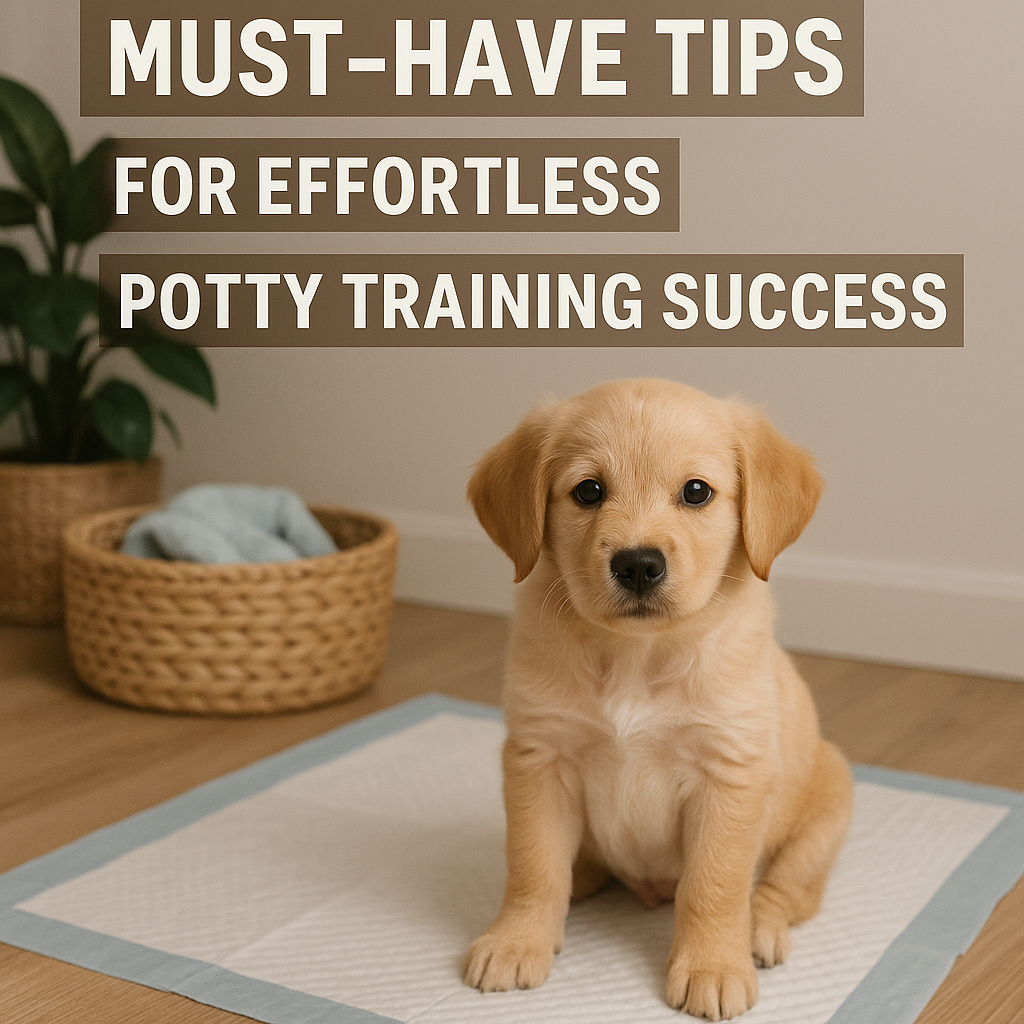
Puppy Care: Must-Have Tips for Effortless Potty Training Success
Puppy care is an exciting yet challenging journey, especially when it comes to establishing good bathroom habits. One of the most important aspects of raising a happy and healthy dog is effective potty training. Easily one of the biggest hurdles for new pet owners, potty training requires patience, consistency, and the right strategies. Fortunately, with the right approach, you can set your furry friend up for lifelong success while minimizing stress for both of you.
In this article, we’ll explore essential, practical tips that will make potty training your puppy a smooth and rewarding experience.
Understanding Puppy Care: The Foundation for Successful Potty Training
Before diving into potty training techniques, it’s important to understand why foundation puppy care matters. Puppies are like little sponges, absorbing everything in their environment, and their behavior reflects how we care for them.
Proper nutrition, exercise, socialization, and plenty of sleep create an optimal mindset and physical state that supports successful training. When a puppy’s basic needs are met, they are more receptive to learning and adapting new habits, including potty training.
Set a Consistent Schedule for Predictable Results
One of the cornerstones of effective puppy care is establishing a regular schedule for meals, playtime, and bathroom breaks. Puppies generally need to eliminate shortly after eating, drinking, waking up, or playing. By creating a consistent routine, you minimize accidents and help your puppy develop predictable bathroom habits.
– Feed your puppy at the same times every day. This helps regulate digestion and bathroom needs.
– Take your puppy outside frequently. Aim for every 1-2 hours for very young puppies, gradually increasing intervals as they grow.
– Offer a bathroom break immediately after naps and play sessions.
Consistency conveys to your puppy that going outside is the norm and reinforces positive behaviors quickly.
Choose the Right Bathroom Spot and Stick to It
Puppies are creatures of habit. Selecting a designated potty area outside is key. When you take your puppy to the same spot every time, the scent will encourage them to go, making the training process more natural.
Make sure the area is quiet, accessible, and free of distractions. Patience here is vital—give your puppy enough time to sniff around and do their business. As they associate this location with eliminating, success becomes more reliably achievable.
Positive Reinforcement is the Cornerstone of Puppy Care Potty Training
Praise and rewards work wonders when teaching puppies new habits. Use treats, enthusiastic verbal praise, or gentle petting immediately after your puppy goes in the right place. This positive reinforcement makes potty training an enjoyable experience and motivates your puppy to repeat the behavior.
Avoid punishment or scolding for accidents; this can cause fear and confusion, prolonging training. Instead, calmly clean up accidents without fuss and focus on rewarding the behavior you want to encourage.
Use Crate Training as a Helpful Potty Training Tool
Crate training offers great support as part of puppy care routines. Dogs instinctively avoid soiling their sleeping area, so a properly sized crate can teach bladder control and help limit accidents when unsupervised.
– The crate should be just big enough to stand up and turn around, but not spacious enough to create a separate toilet corner.
– Introduce the crate positively, ensuring it is a safe and happy place.
– Take your puppy outside immediately after crate time for a bathroom break.
This method builds successful potty habits by leveraging your puppy’s natural instincts.
Watch for Signals and Be Patient
Being able to recognize signs that your puppy needs to go outside is a key part of effective puppy care. Common signals include sniffing, circling, whining, or heading toward the door. When you notice these behaviors, act quickly and calmly to take your puppy outside.
Accidents are inevitable. Consistency, patience, and understanding that your puppy is learning are crucial. Stick to your schedule, remain positive, and soon you’ll see marked progress.
Clean Up Accidents Properly to Prevent Repeat Mistakes
When accidents happen indoors, which they will, it’s essential to clean the area thoroughly with an enzymatic cleaner to eliminate odors. Puppy noses are extremely sensitive, and lingering scents may encourage repeat accidents in the same spot.
Avoid using ammonia-based cleaners, as these can mimic the smell of urine and confuse your puppy. Proper cleaning supports a cleaner environment and improves potty training success.
Know When to Seek Professional Help
If you’ve tried the above methods consistently and your puppy still struggles with potty training, consulting a professional trainer or veterinarian can provide additional guidance. Sometimes health issues, anxiety, or improper techniques affect progress. Early intervention can prevent frustration for you and your puppy.
—
Conclusion
Puppy care, including potty training, involves a blend of patience, consistency, and positive interaction. By setting a regular schedule, choosing a dedicated bathroom spot, rewarding good behavior, and employing tools like crate training, you set your puppy up for effortless potty training success. Remember, puppies thrive on routine and positive reinforcement, so approach this training phase with kindness and understanding.
With these must-have tips, you will enjoy a smoother transition and a closer bond with your adorable new companion. Happy training!