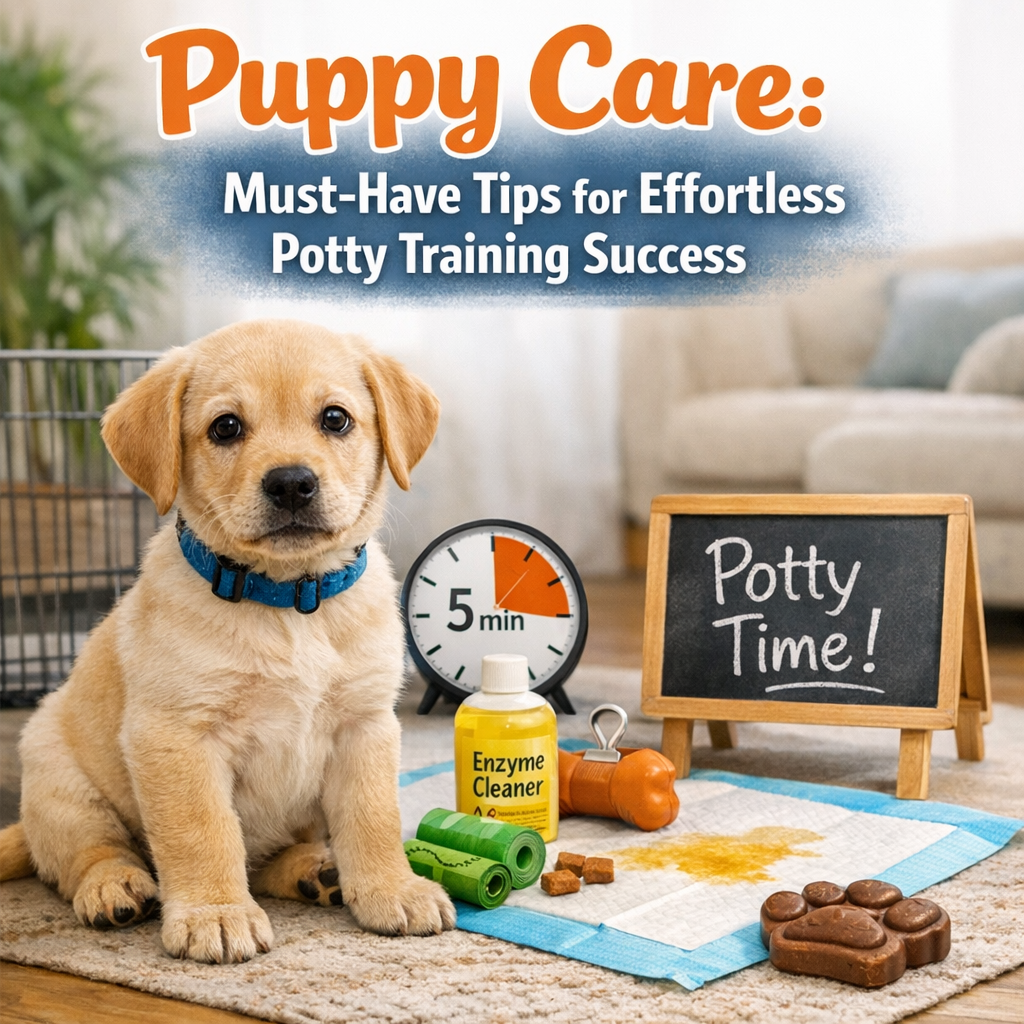
Puppy Care: Must-Have Tips for Effortless Potty Training Success
Puppy care is a rewarding yet challenging journey, especially when it comes to potty training your new furry friend. Successful potty training sets the foundation for good behavior and a happy home environment. While it requires patience and consistency, the process can be made much easier with the right approach. Whether you’re a first-time puppy parent or adding another member to your pet family, these must-have tips will help you master potty training with minimal stress and maximum success.
Understanding Puppy Care and Potty Training Basics
Before diving into specific techniques, it’s important to recognize that puppies are learning about boundaries and communication for the first time. Their small bladders, developing muscles, and limited control mean that accidents are a normal part of the early stages. Realizing this helps you set realistic expectations and approach potty training as a gradual, positive experience.
Puppy care involves more than just teaching your dog where to relieve themselves. It encompasses creating a routine, offering proper nutrition, and ensuring your puppy feels safe and confident in their new environment—all of which contribute to potty training success.
Establish a Consistent Routine: The Key to Success
One of the most effective puppy care strategies for potty training is establishing a strict schedule. Puppies thrive on consistency because it helps regulate their bodily functions and builds good habits. Feed your puppy at the same times daily and take them outside shortly after meals, naps, and play sessions.
Setting regular potty breaks every 1-2 hours during the day prevents accidents and reduces anxiety for your puppy. When your puppy eliminates outside, immediately praise them with a treat and verbal encouragement. This positive reinforcement motivates them to repeat the behavior.
Choose an Appropriate Potty Spot
Choosing a designated potty area is essential in puppy care, as scent plays a big role in helping your puppy learn where to go. Select a quiet spot outside free from distractions and consistently bring your puppy to this area. Using the same location helps your puppy associate the smells and surroundings with bathroom time.
If you’re in an apartment or have limited outdoor access, consider using puppy pads temporarily. Gradually transition your puppy outdoors by placing pads near the door, then moving them closer outside until your puppy is comfortable going outside exclusively.
Crate Training: A Powerful Tool in Puppy Care
Crate training is one of the most valuable techniques in puppy care for potty training. Dogs instinctively avoid soiling their sleeping area, making a properly sized crate an effective way to encourage bladder control. When your puppy is in the crate, they learn to hold their bladder until let out.
However, crate training must be introduced with kindness and never used as punishment. Start by letting your puppy explore the crate at their own pace, adding comfy bedding and treats inside. Avoid leaving your puppy in the crate too long, especially when they are young, to prevent accidents and anxiety.
Monitor and Manage Accidents Calmly
Even with the best routines and training, accidents will happen during the learning phase. It’s important to respond calmly and avoid yelling or punishment, which can confuse and scare your puppy. Instead, clean the area thoroughly to remove odors that might attract repeat visits.
If you catch your puppy in the act, calmly interrupt and immediately take them outside to the potty spot. Praise them if they finish outside. Patience is critical because your puppy is not being defiant—they simply need more time and help to develop control.
Recognize Signs and Signals
A major component of puppy care involves learning to read your puppy’s signals for needing to go. Signs like sniffing around, circling, whining, or suddenly becoming restless usually indicate your puppy is ready for a bathroom break.
Being attentive to these cues and responding quickly helps prevent indoor accidents and strengthens communication between you and your puppy. Over time, your puppy will learn to signal you directly when they need to go outside.
Utilize Positive Reinforcement Consistently
Positive reinforcement is one of the most effective methods in all areas of puppy care, including potty training. Reward your puppy immediately after they eliminate in the correct spot with verbal praise, treats, or playtime. This encourages them to repeat the behavior.
Avoid physical punishment or negative reactions. Praise and rewards build a strong bond and a puppy eager to please you, making training smoother and more enjoyable for both of you.
Conclusion: Patience and Love Lead to Potty Training Success
Potty training is an integral part of puppy care that requires dedication, patience, and understanding. By establishing consistency, offering positive reinforcement, and creating a supportive environment, you equip your puppy with the tools they need to succeed. Remember, every puppy learns at their own pace, so keep a calm and loving attitude throughout the process.
With these must-have tips, you are set for an easier, more effective potty training journey, leading to a well-behaved, happy companion for years to come. Embrace the challenges and celebrate the milestones—you and your puppy are building a lifelong relationship founded on trust and respect.