Puppy Care: Must-Have Guide on How Often Puppies Should Eat for Best Health
When it comes to puppy care, one of the most common questions new pet owners ask is, “How often should puppies eat?” Feeding your puppy the right amount at the right intervals plays a crucial role in their growth, development, and overall health. Understanding the proper feeding schedule is essential not only to meet their nutritional needs but also to help establish a routine that promotes good behavior and digestion.
In this guide, we’ll explore everything you need to know about how frequently puppies should be fed, what types of food are best, and key tips for maintaining a healthy diet as your puppy grows.
Why Proper Feeding Frequency Is Important for Puppy Care
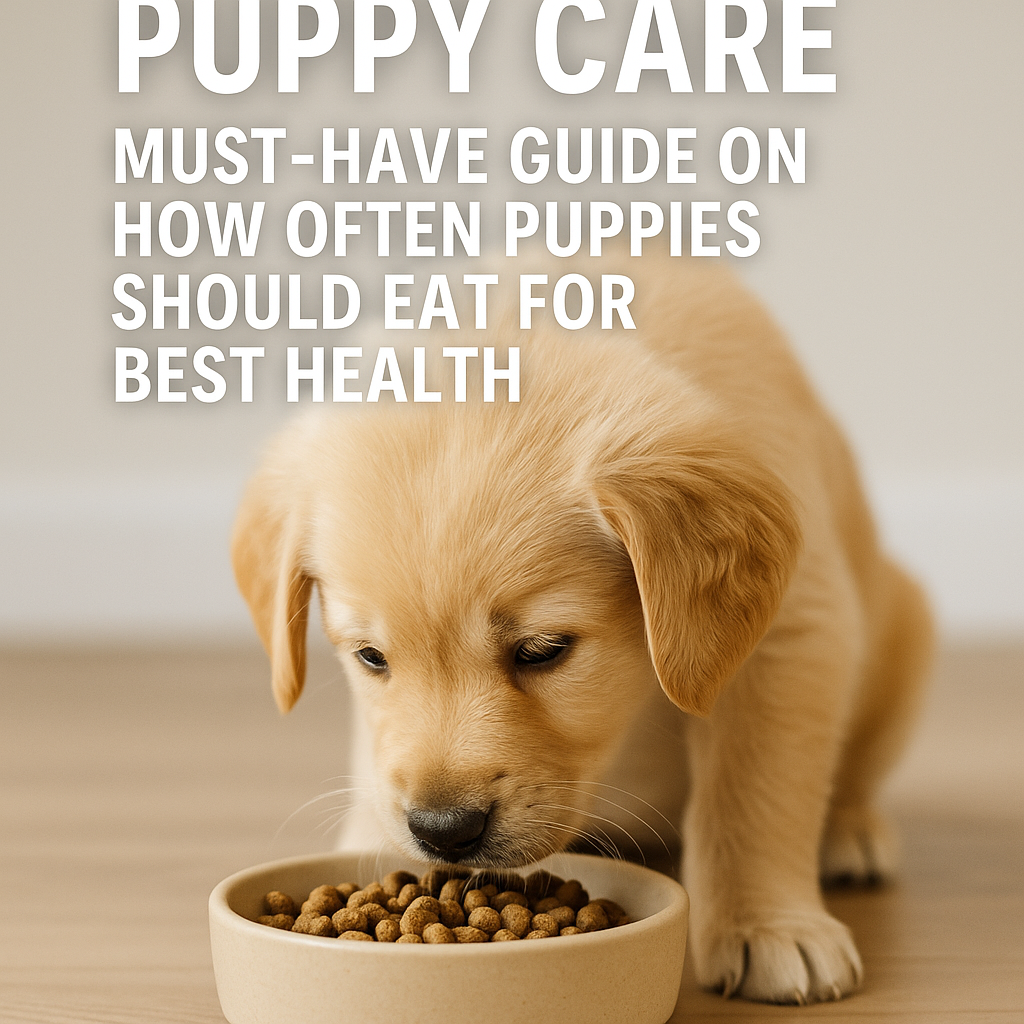
Puppies are rapidly growing animals with high energy requirements. Unlike adult dogs, puppies require more frequent meals because their small stomachs cannot hold large amounts of food at once. Feeding them too much at one time can lead to digestive upset, while feeding too infrequently may result in low blood sugar and lethargy.
Regular feeding schedules help:
– Support Optimal Growth: Puppies need consistent nutrients for developing bones, muscles, and organs.
– Prevent Digestive Issues: Smaller, frequent meals reduce the risk of overeating and vomiting.
– Regulate Energy Levels: Balanced feeding helps avoid spikes or drops in energy.
– Establish Routine: Feeding at consistent times can aid in housetraining and behavior management.
How Often Should Puppies Eat? Age-Based Feeding Guidelines
Newborn to 4 Weeks Old
During the first few weeks of life, puppies rely exclusively on their mother’s milk or a suitable milk replacer. Feeding is frequent—every 2 to 3 hours—since their stomachs are tiny and their energy needs are high.
4 to 8 Weeks Old
At this stage, puppies begin weaning off their mother’s milk and transition to solid food. They should be fed 4 to 6 small meals daily, gradually increasing the amount as they grow.
8 Weeks to 3 Months Old
Young puppies need 4 meals per day to maintain their rapid growth rates. Offering meals in smaller portions helps digestion and prevents overeating.
3 to 6 Months Old
As growth starts to stabilize, it’s often suitable to reduce feeding to 3 meals per day. This frequency still meets the energy demands but lessens the number of times you need to prepare meals.
6 Months to 1 Year Old
Many puppies can transition to 2 meals per day after six months, dependent on breed and size. Large or giant breeds may need a slightly different schedule, so consulting your vet is wise.
Choosing the Right Food for Your Puppy
Feeding frequency goes hand-in-hand with the type of food you offer. Puppy care involves selecting nutrient-dense, high-quality food formulated specifically for growth.
– Commercial Puppy Food: These are balanced diets that include the needed proteins, fats, vitamins, and minerals.
– Wet vs. Dry Food: Both have benefits; dry kibble is good for dental health, while wet food can be more palatable and hydrating.
– Homemade Diets: If you choose this option, work closely with a nutritional expert to ensure all dietary requirements are met.
Always ensure fresh water is available throughout the day.
Practical Tips for Successful Puppy Feeding
– Stick to Consistent Times: Feeding your pup at the same times daily helps regulate their digestive system.
– Measure Portions: Avoid free-feeding by measuring meals according to your puppy’s weight and age.
– Avoid Human Food: Many table scraps are unhealthy or toxic to dogs.
– Observe Behavior: Monitor your puppy’s energy levels, stool quality, and appetite to adjust feeding if necessary.
– Consult Your Veterinarian: Puppies have unique needs based on breed, weight, and health; a pro can provide tailored recommendations.
Common Feeding Mistakes to Avoid in Puppy Care
– Skipping Meals: Puppies thrive on scheduled feeding. Skipping meals can cause weakness and stress.
– Overfeeding: Excess food can lead to obesity and related health issues.
– Sudden Diet Changes: Gradually introduce new foods over a week to avoid stomach upset.
– Ignoring Signs of Illness: Diarrhea, vomiting, or refusal to eat require veterinary attention.
Conclusion
Effective puppy care hinges on understanding how often puppies should eat to promote optimal health and development. Feeding your puppy multiple times a day in appropriate portions ensures they receive sustained energy and nutrition during their critical growth phases. By establishing a consistent feeding routine, choosing the right diet, and avoiding common pitfalls, you set your new furry friend on a path to a happy, healthy life.
Remember, every puppy is unique, so keep in touch with your veterinarian to tailor a feeding plan that best suits your pup’s specific needs. With proper attention and care, your puppy will grow into a strong, joyful companion for years to come.