Puppy Care Feeding Schedule by Age: Must-Have Tips for Best Results
Puppy care is a rewarding yet challenging experience, and one of the most critical aspects to get right is feeding. Establishing a proper feeding schedule tailored to your puppy’s age is essential for fostering healthy growth, developing strong immune systems, and ensuring overall well-being. Puppies have different nutritional needs at various stages of development, and understanding these needs helps pet parents provide the right portions, nutrients, and feeding frequency. In this article, we’ll explore an age-appropriate puppy care feeding schedule and share must-have tips to achieve the best results.
Why a Puppy Care Feeding Schedule Matters
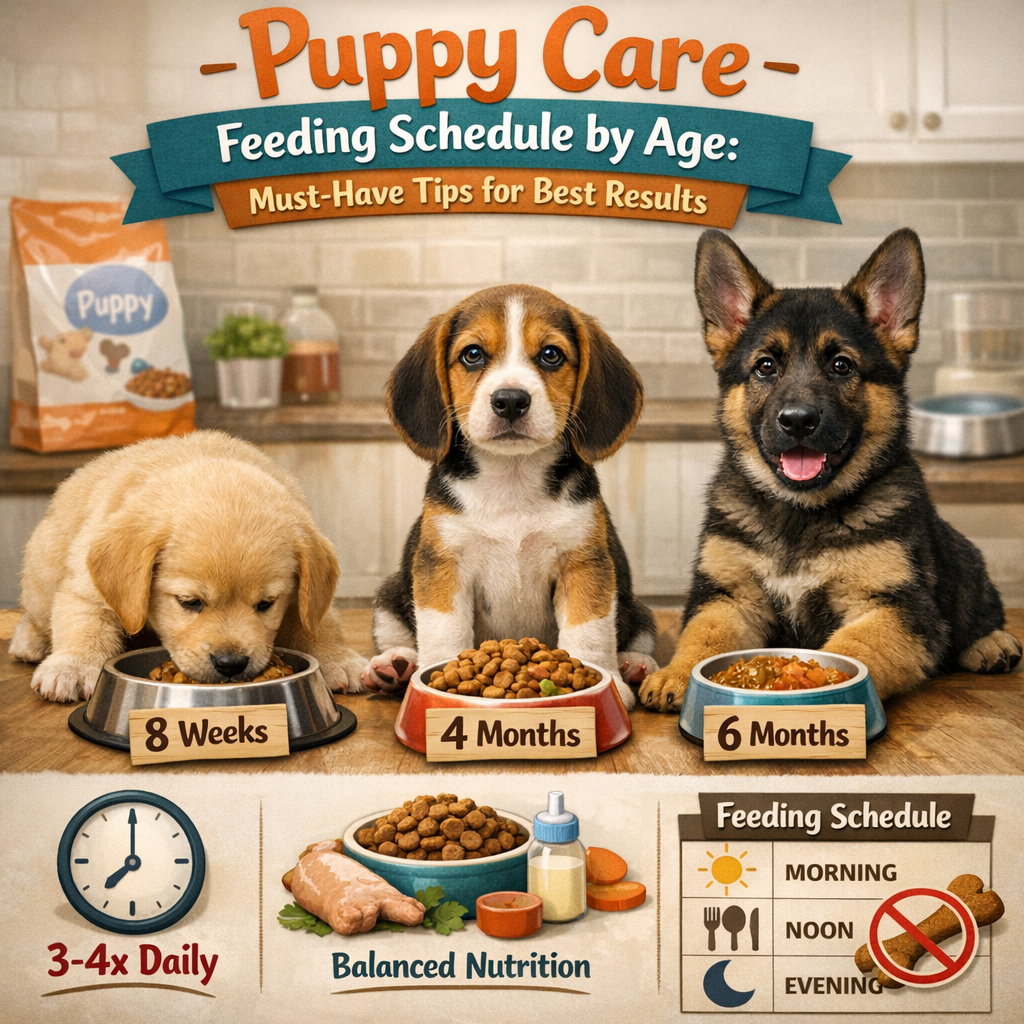
A consistent feeding schedule supports your puppy’s digestive health and prevents overeating or underfeeding. Because puppies grow rapidly and expend lots of energy, they require a diet rich in nutrients like proteins, fats, vitamins, and minerals. Feeding on a schedule rather than free-feeding helps regulate metabolism, reduce the risk of obesity, and create routine and structure, which puppies thrive on.
Additionally, a proper feeding schedule can assist with housetraining by predicting when your puppy will need bathroom breaks. This in turn helps minimize accidents and supports good behavior.
Puppy Care Feeding Schedule by Age
0-4 Weeks: Nourishment from Mother’s Milk or Milk Replacer
During the very early weeks, puppies are completely dependent on their mother’s milk or a specially formulated puppy milk replacer. Feeding schedules at this stage are entirely driven by nursing frequency, typically every 2-3 hours. Since their digestive systems are still immature, this natural feeding frequency is ideal for steady growth.
4-8 Weeks: Introducing Solid Food with Frequent Small Meals
At about 4 weeks old, you can begin the gradual process of weaning your puppy off milk by introducing softened solid food. Puppy care at this stage involves mixing puppy kibble with warm water or puppy milk replacer to create a gruel. Feed about 4-6 small meals per day, as their small stomachs can only handle limited quantities.
By 8 weeks, puppies should be fully transitioned to solid food. Maintain a schedule of 4 meals per day to ensure consistent energy supply and nutrient intake.
8-12 Weeks: More Structured Feeding with 3-4 Meals Daily
Between 8 and 12 weeks, puppies become more active and their nutritional needs increase. A feeding schedule of 3-4 balanced meals daily is ideal. This frequency allows for better digestion and prevents hypoglycemia, a low blood sugar condition that is a risk when puppies go too long without eating.
Look for high-quality puppy food that contains essential proteins and fats to support rapid growth, alongside DHA for brain and eye development. Keep portions consistent and adjust based on your puppy’s appetite and veterinarian recommendations.
3-6 Months: Gradual Reduction to 3 Meals Per Day
As your puppy matures between 3 to 6 months of age, their stomach capacity grows and they can handle fewer meals with larger portions. Reducing to 3 meals per day promotes better digestion and encourages routine. This is a good time to introduce a more varied diet if advised by your vet.
Continuously monitor your puppy’s weight and condition, modifying feeding portions as necessary to maintain a healthy growth rate. Avoid overfeeding as this can lead to excessive weight gain which may stress developing joints and bones.
6-12 Months: Transition to 2 Meals Per Day
By the time your puppy reaches 6 to 12 months, most are ready to transition to two meals a day. This schedule aligns more closely with adult feeding routines and prepares your dog for a lifelong healthy eating pattern.
Depending on breed and size, some puppies might need to continue with 3 meals a day slightly longer, especially large or giant breeds that have extended growth periods.
Puppy Care Tips for the Best Feeding Results
Choose Age-Appropriate Puppy Food
Always select puppy food specifically formulated for growth. These products have the right balance of protein, fat, and essential nutrients. Avoid adult dog food until your vet approves the transition to avoid nutritional deficiencies.
Maintain Consistency in Feeding Times
Feed your puppy at the same times every day. This helps regulate their metabolism and supports digestive health. Consistent feeding also encourages predictable elimination schedules which assists with potty training.
Provide Plenty of Fresh Water
Alongside feeding, ensure your puppy has constant access to fresh, clean water. Adequate hydration is essential for digestion, nutrient absorption, and overall health.
Avoid Overfeeding and Unnecessary Treats
Following a strict feeding schedule and portion size helps prevent overfeeding. Treats should be given sparingly and factored into the daily caloric intake to avoid weight gain and nutritional imbalance.
Monitor Your Puppy’s Growth and Behavior
Regularly track your puppy’s weight, stool consistency, and energy levels. Any drastic changes can indicate dietary issues needing veterinary attention.
Conclusion
Efficient puppy care involves implementing a well-structured feeding schedule that adapts as your puppy grows. Understanding the nutritional demands at every stage—from the first weeks of life to almost one year—ensures your furry friend gets the best start for a healthy future. By following the feeding timelines and expert tips outlined above, you can help your puppy thrive, fostering a happy, energetic, and healthy adult dog. Proper puppy care feeding schedules are not just about food quantity but about nurturing your puppy’s overall wellness with patience, consistency, and love.