Puppy Care Essentials: Must-Have Tips for Effortless Training
Puppy care is an exciting yet challenging journey that every new dog owner embarks on with joy and responsibility. Raising a happy, healthy puppy involves more than just feeding and playtime; it requires thoughtful planning, consistent training, and a nurturing environment. Effortless training becomes achievable with the right puppy care approach, ensuring your furry friend grows into a well-behaved, confident companion. In this article, we’ll explore essential tips to make puppy care and training straightforward, enjoyable, and effective.
Understanding Puppy Care: The Foundation for Training Success
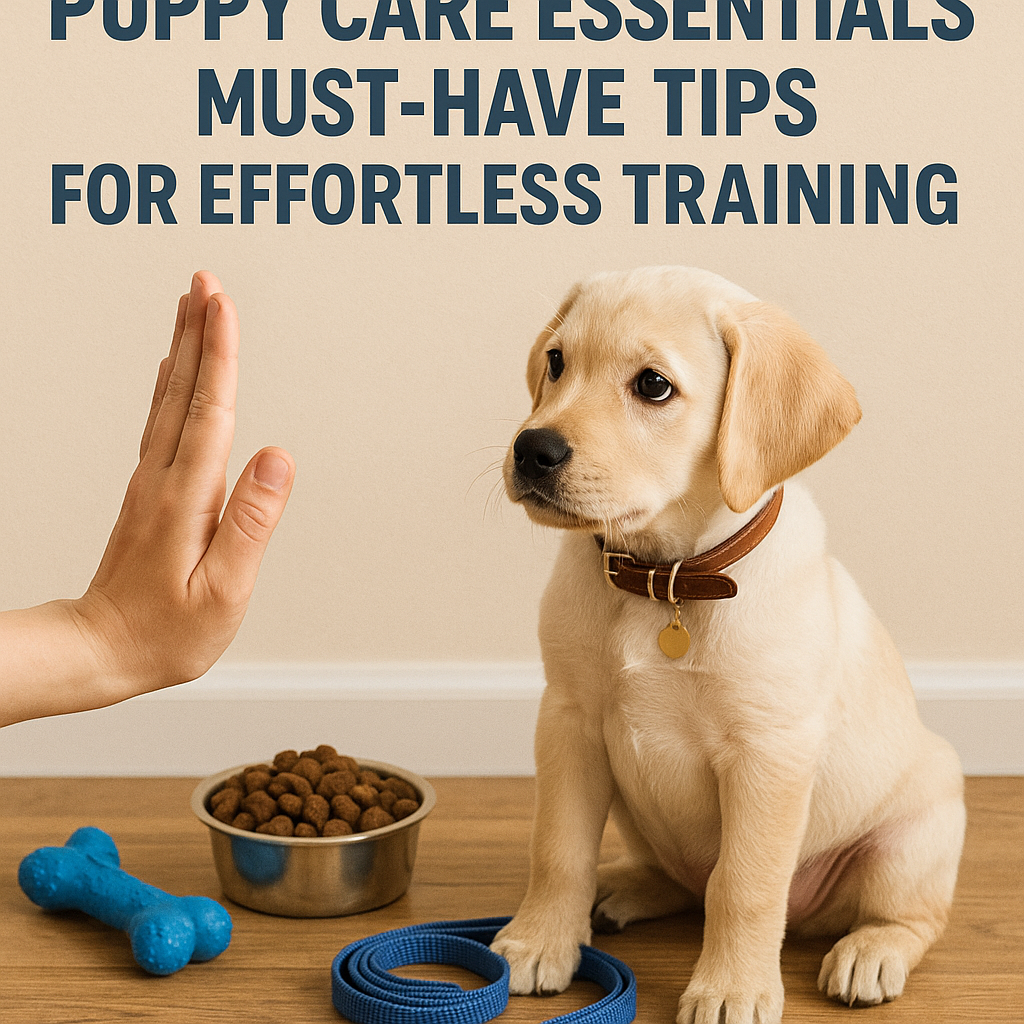
Before diving into training specifics, it’s important to grasp the fundamentals of puppy care. Puppies are delicate and impressionable, especially during their first few months. Proper care involves meeting their physical, emotional, and developmental needs, setting the stage for smooth training experiences.
– Nutrition: A balanced diet tailored for puppies supports rapid growth and brain development. High-quality puppy food rich in protein, fats, and necessary vitamins is essential. Consult your veterinarian for personalized feeding guidelines.
– Health: Regular veterinary checkups, vaccinations, and parasite prevention keep your pup safe from diseases. A healthy puppy is more receptive to learning and less prone to behavioral issues.
– Environment: Create a safe and stimulating environment with designated sleeping, eating, and play areas. Safe spaces reduce anxiety and help your puppy develop positive habits.
With these foundations firmly in place, you’re ready to take on training with confidence.
Essential Puppy Care Tips for Effortless Training
1. Start Training Early and Be Consistent
One of the most effective puppy care practices is starting training early. Puppies have a critical socialization window between 3 and 14 weeks of age when they learn to accept new experiences. Use this period to introduce basic commands such as “sit,” “stay,” and “come.” Consistency is key: use the same commands and reward-based techniques to avoid confusing your puppy.
2. Use Positive Reinforcement
Positive reinforcement is the cornerstone of gentle and effective puppy care. Reward good behavior with treats, praise, or affection. This encourages your puppy to repeat desirable actions without fear or stress. Avoid punishment or harsh corrections, as they can harm your bond and delay progress.
3. Crate Training: A Safe Haven for Your Puppy
Crate training provides a secure space where your puppy feels comfortable and protected. It also aids in house-training by limiting where the puppy can eliminate. Introduce the crate gradually, making it a positive experience with treats and toys. A well-trained crate becomes an invaluable tool for puppy care and daily routines.
4. Socialize Your Puppy Properly
Socialization is an essential element of puppy care that directly impacts training success. Safely expose your puppy to different people, animals, sounds, and environments to build confidence and reduce fear-based behaviors. Socialized puppies learn to cope with new situations, which makes training more straightforward.
5. Establish a Routine
Puppies thrive on routine. Feeding, potty breaks, playtime, and sleep should happen at consistent times. A predictable schedule helps your puppy understand expectations and reduces accidents or behavioral problems. Routine also provides structure to your training sessions, making learning smooth and efficient.
Common Puppy Care Challenges and How to Overcome Them
Even with the best intentions, puppy care and training can face hurdles. Recognizing common challenges helps you stay prepared and proactive.
– Biting and Chewing: Puppies explore the world with their mouths. Redirect chewing to appropriate toys and avoid encouraging biting through rough play. Consistent redirection teaches boundaries without discouragement.
– Potty Training Accidents: Patience and persistence win the day. Regularly take your puppy outside, praise successful eliminations, and clean accidents promptly to remove odors.
– Separation Anxiety: Gradually increase alone time while offering enriching toys. Crate training and a calming environment alleviate stress related to being alone.
Expert Recommendations to Enhance Puppy Care
Achieving effortless training doesn’t mean going it alone. Leveraging expert advice can improve your puppy care strategy:
– Attend puppy training classes to learn professional techniques.
– Seek guidance from veterinarians and certified trainers for tailored support.
– Use interactive toys and enrichment activities to stimulate your puppy’s mind.
– Regular exercise not only keeps your puppy fit but also reduces destructive behavior caused by excess energy.
Final Thoughts on Puppy Care Essentials for Effortless Training
Successful puppy care combines love, knowledge, and consistency. By laying a solid foundation of health, socialization, and routine, your puppy will adapt quickly to training. Positive reinforcement and patience turn learning into a joyful bonding experience rather than a struggle. Remember, every puppy is unique, so stay attentive and flexible in your approach.
With these puppy care essentials in your toolkit, effortless training is not just a dream but an achievable goal. Embrace this rewarding journey, and watch your puppy flourish into a trusted friend and family member for years to come.