How to Care for a New Puppy: A Comprehensive Guide
Bringing a new puppy into your home is an exciting and joyful experience. However, it also comes with a significant responsibility to ensure your furry friend grows up healthy, happy, and well-behaved. Proper care during those first few weeks and months is crucial for setting the foundation for a lifelong bond.
In this guide, we’ll walk you through everything you need to know about how to care for a new puppy—from preparing your home to training, feeding, and socializing your new companion. Whether you’re a first-time puppy parent or just need a refresher, these tips will help you provide the best care possible.
Preparing Your Home for a New Puppy
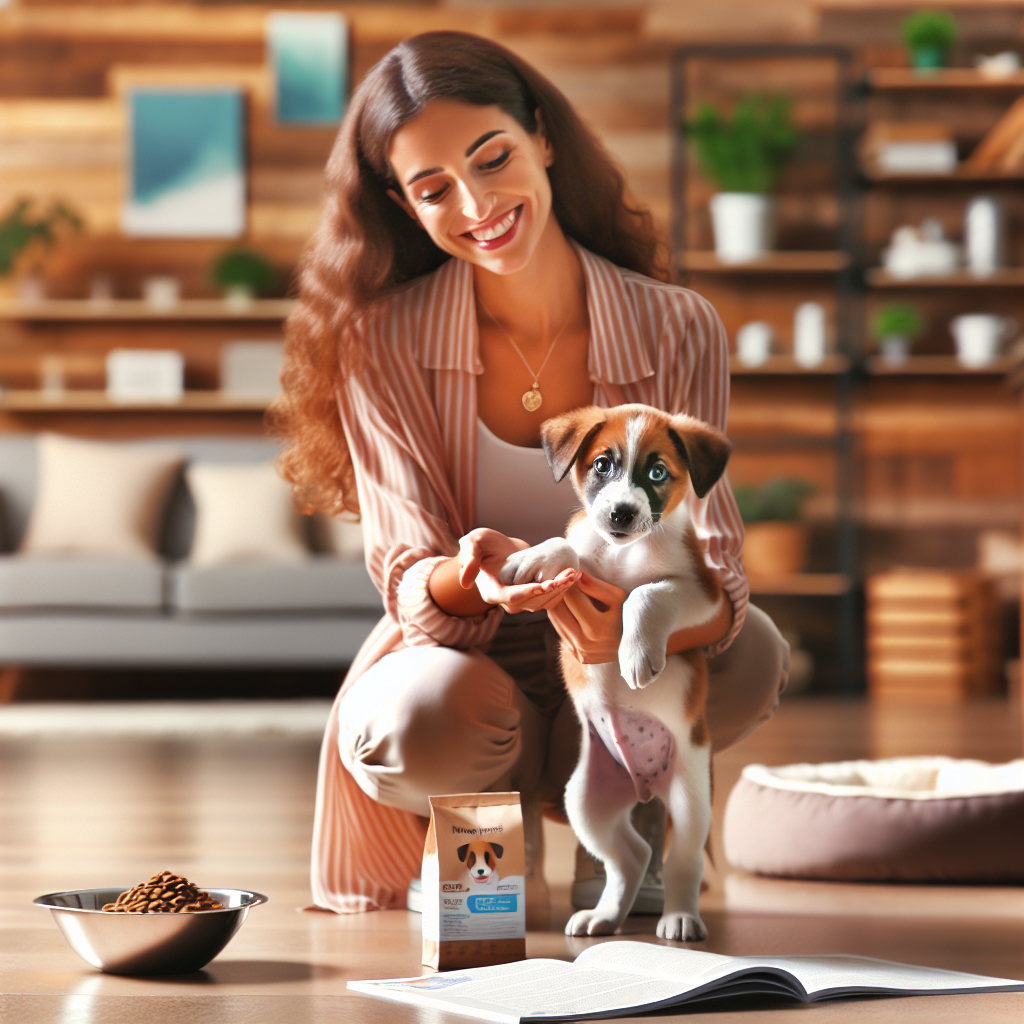
Before bringing your puppy home, it’s important to create a safe and comfortable environment.
Puppy-Proofing Your Space
Puppies are curious and love to explore, so you need to puppy-proof your living area:
- Remove small objects that could be swallowed.
- Hide electrical cords or use protective covers.
- Secure trash cans to prevent messes or ingestion of harmful items.
- Block off dangerous areas like stairs or balconies.
- Ensure toxic plants or substances (cleaners, chemicals) are out of reach.
Gather Essential Supplies
Make sure you have all the essentials ready:
- Food and water bowls: Preferably stainless steel or ceramic for durability.
- Puppy food: Choose a high-quality puppy formula appropriate for your breed.
- Collar and leash: Adjustable to fit your growing puppy.
- Crate or bed: For a safe, cozy space.
- Chew toys: Useful for teething and keeping your puppy entertained.
- Grooming tools: Brush, nail clippers, and puppy-safe shampoo.
- Training pads or puppy pads (if you’re house training indoors).
Nutrition and Feeding Your Puppy
Good nutrition lays the foundation for your puppy’s health and growth.
Choosing the Right Food
Puppies have different dietary needs than adult dogs. Look for:
- Puppy-specific formulas: These contain the right balance of proteins, fats, vitamins, and minerals.
- Breed size considerations: Large breed puppies have different requirements than small breeds.
- High-quality ingredients: Avoid fillers like corn and excessive by-products.
Feeding Schedule
- Age 8 to 12 weeks: Feed 4 small meals a day.
- 3 to 6 months: Feed 3 meals daily.
- 6 months and older: Transition to 2 meals per day.
Make sure to provide fresh water always and monitor your puppy’s appetite and weight.
Health and Veterinary Care
Early veterinary care is critical for preventing illness and ensuring your puppy is healthy.
Initial Vet Visit
- Schedule the first appointment as soon as you bring your puppy home.
- The vet will check for parasites, congenital defects, and overall health.
- Discuss a vaccination schedule to protect against common diseases like parvovirus, distemper, and rabies.
- Ask about deworming and flea/tick prevention plans.
Spaying and Neutering
Consult with your vet about the right time for spaying or neutering. This can prevent unwanted litters and may reduce certain behavioral issues.
Monitoring Health at Home
Watch for signs of illness such as:
- Lethargy or weakness
- Loss of appetite
- Vomiting or diarrhea
- Difficulty breathing
- Excessive scratching or hair loss
If you notice any of these, seek veterinary help promptly.
House Training and Behavior
Teaching your puppy basic manners and routines early on helps prevent problems later.
Crate Training
- Use a crate as a safe den for your puppy.
- Gradually introduce your puppy to the crate with treats and toys.
- Never use the crate as punishment.
- This also helps with house training by limiting space where the puppy can relieve itself.
House Training Tips
- Take your puppy outside frequently: after eating, playing, or waking up.
- Choose a designated potty spot.
- Praise and reward your puppy immediately after they go outside.
- Be patient and consistent — accidents will happen!
Basic Commands to Teach
Start with simple commands such as:
- Sit
- Stay
- Come
- Leave it
Use positive reinforcement (treats and praise) to encourage good behavior.
Socialization and Exercise
Socialization is key to raising a well-adjusted dog.
Early Socialization
- Introduce your puppy to a variety of people, animals, sounds, and environments.
- Attend puppy kindergarten or controlled playgroups.
- Proper socialization helps prevent fearfulness and aggression in adulthood.
Exercise Needs
- Puppies need plenty of playtime and physical activity.
- Short walks and supervised play sessions are ideal.
- Avoid long or strenuous exercise to protect growing joints.
- Mental stimulation is equally important: puzzle toys, training sessions, and games can keep your puppy’s mind sharp.
Grooming and Hygiene
Regular grooming is essential for health and comfort.
Bathing and Brushing
- Bathe your puppy with a gentle, puppy-specific shampoo only when necessary.
- Brush your puppy’s coat regularly depending on the breed to prevent mats and reduce shedding.
- Start grooming routines early so your puppy becomes comfortable with the process.
Nail Care
- Trim nails regularly to prevent pain or injury.
- Use blunt-tipped clippers designed for dogs.
- Be careful not to cut into the quick (the sensitive part inside nails).
Dental Care
- Introduce tooth brushing early using dog-specific toothpaste.
- Provide dental chews and toys to help keep teeth clean.
- Good dental hygiene prevents problems like bad breath and tooth decay.
Troubleshooting Common Puppy Challenges
Chewing
Puppies explore the world with their mouths and chew a lot, especially when teething.
- Provide plenty of chew toys.
- Redirect chewing away from shoes or furniture.
- Never punish biting or chewing—redirect nicely.
Excessive Barking
- Puppies bark to communicate, but excessive barking may indicate boredom or anxiety.
- Identify triggers and teach “quiet” commands.
- Ensure your puppy gets enough mental and physical stimulation.
Separation Anxiety
- Gradually teach your puppy to be alone.
- Leave and return calmly to avoid embedding anxiety.
- Create a comforting space like a crate or bed.
Conclusion
Caring for a new puppy may seem overwhelming at first, but by preparing your home properly and focusing on nutrition, health, training, socialization, and grooming, you’ll set your puppy up for a happy, healthy life. Remember that patience, consistency, and love are your greatest tools in raising your new best friend.
By investing time and effort in those early days, you’ll enjoy the rewards of a well-adjusted, loyal companion for many years to come. Happy puppy parenting!