Dog Training Tips: Must-Have Techniques to Stop Dog Barking Fast
Dog training is an essential part of responsible pet ownership, especially when it comes to managing excessive barking. While dogs naturally use barking as a form of communication, constant or loud barking can be frustrating and disruptive. Whether you’re dealing with a new puppy or a seasoned adult dog, implementing effective training techniques can help reduce unwanted barking quickly and harmoniously.
In this article, we will explore some must-have dog training tips that can stop barking fast while promoting positive behavior. These strategies focus on understanding the root causes of barking, applying consistent training methods, and fostering strong communication between you and your dog.
Understanding Why Dogs Bark
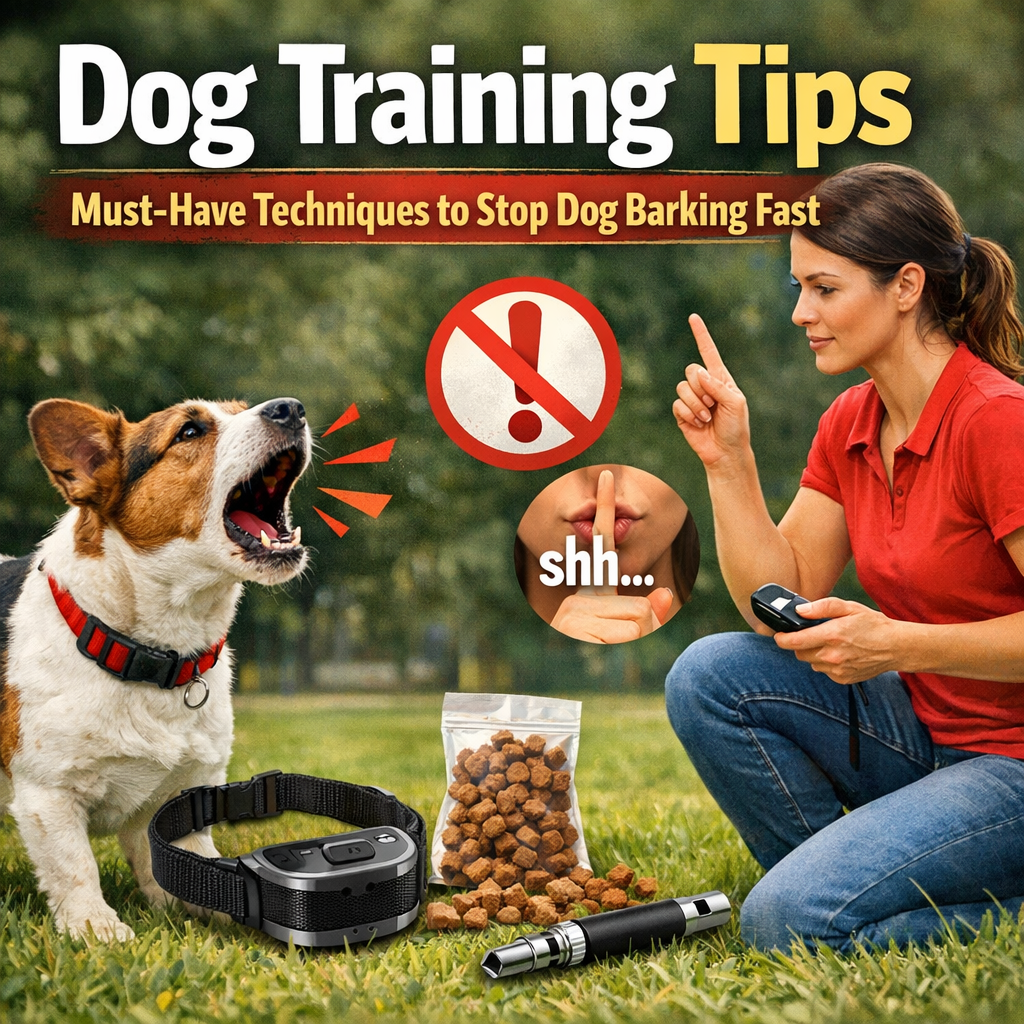
Before diving into specific training techniques, it’s important to understand why dogs bark in the first place. Barking can be driven by various reasons, such as:
– Attention Seeking: Dogs may bark to get your attention or to engage you in play.
– Alerting: Barking to warn of strangers, unusual noises, or potential intruders.
– Boredom or Anxiety: Lack of physical or mental stimulation can lead your dog to bark out of boredom or separation anxiety.
– Fear or Stress: Certain stimuli may trigger fear or stress, causing the dog to bark as a defensive reaction.
Recognizing the reason behind the barking will help you choose the most effective training technique and address the root cause appropriately.
Must-Have Dog Training Tips to Stop Barking Fast
1. Use Positive Reinforcement
One of the most effective dog training methods is positive reinforcement. Rewarding your dog with treats, praise, or affection when they remain quiet teaches them that calm behavior has benefits. For example, when your dog stops barking on command or remains quiet during a usual trigger, immediately reward them.
This encourages the dog to associate silence or reduced barking with positive outcomes. Avoid punishing barking, as this can increase anxiety or cause confusion, making the behavior worse.
2. Teach the “Quiet” Command
Teaching your dog a firm but gentle “quiet” command gives you a powerful tool to control barking. Here’s a simple technique to practice:
– Allow your dog to bark a few times.
– Calmly say “quiet” or “enough” in a clear, calm voice.
– Wait for your dog to stop barking, even if only for a second.
– Immediately praise and reward with a treat.
Repeat this exercise consistently. Over time, your dog will learn that the “quiet” command means to stop barking and that obedience will be rewarded.
3. Identify and Remove Triggers
If your dog barks at specific triggers such as passing cars, doorbells, or strangers, try to reduce their exposure while training. For example:
– Close windows if outside noises cause barking.
– Use privacy fencing to limit visibility of passersby.
– Desensitize your dog gradually by exposing them to triggers in controlled ways while practicing the “quiet” command.
Minimizing exposure during early training helps reduce frustration and barking frequency.
4. Increase Physical and Mental Exercise
Dogs that lack sufficient exercise or mental stimulation often bark excessively to release pent-up energy. Incorporate daily physical activities such as walks, runs, or play sessions to tire them out. Puzzle feeders, training games, and interactive toys can also keep their minds engaged.
A well-exercised dog is less likely to bark out of boredom or restlessness, making training much easier.
5. Avoid Reinforcing Barking by Attention
Many dogs bark to get attention from their owners. Even negative attention like yelling can reinforce barking behavior. When your dog barks, avoid giving immediate attention, and instead wait for a pause in the barking to engage.
Consistency is key—reward your dog only when they are calm and quiet, so they learn that barking doesn’t get them what they want.
6. Provide a Safe, Comfortable Space
Anxiety-driven barking can be mitigated by providing dogs with a secure and comfortable area where they feel safe. This might be a quiet room, crate, or specific spot in your home where they can relax without feeling threatened by external noises or stimuli.
Use calming aids such as soft bedding, gentle music, or calming sprays if necessary, to help reduce stress-related barking.
When to Seek Professional Help
If your dog’s barking persists despite consistent training efforts, or if the barking stems from severe anxiety, fear, or aggression, it may be time to consult a professional dog trainer or veterinary behaviorist. They can assess the behavior in depth and develop a customized plan to address the issue.
Final Thoughts on Dog Training for Bark Control
Effective dog training to reduce barking takes patience, consistency, and understanding. By learning why your dog barks and applying techniques such as positive reinforcement, teaching the “quiet” command, and ensuring adequate exercise and mental stimulation, you can see fast improvements in behavior.
Remember, barking is a natural part of canine communication, but with proper guidance and care, your dog can learn appropriate limits—resulting in a peaceful home and a happy, well-adjusted companion.