Dog Training Tips: Must-Have Techniques to Stop Dog Barking Effortlessly
Dog training is an essential part of responsible pet ownership, especially when it comes to managing unwanted behaviors like excessive barking. While barking is a natural form of communication for dogs, persistent and uncontrollable barking can become a challenge for both the pet and the owner. Fortunately, with the right approach and some patience, you can teach your furry friend to control their barking habits. In this article, we’ll explore some practical and effective dog training tips that can help you stop excessive barking effortlessly, creating a more peaceful environment for everyone involved.
Understanding Why Dogs Bark
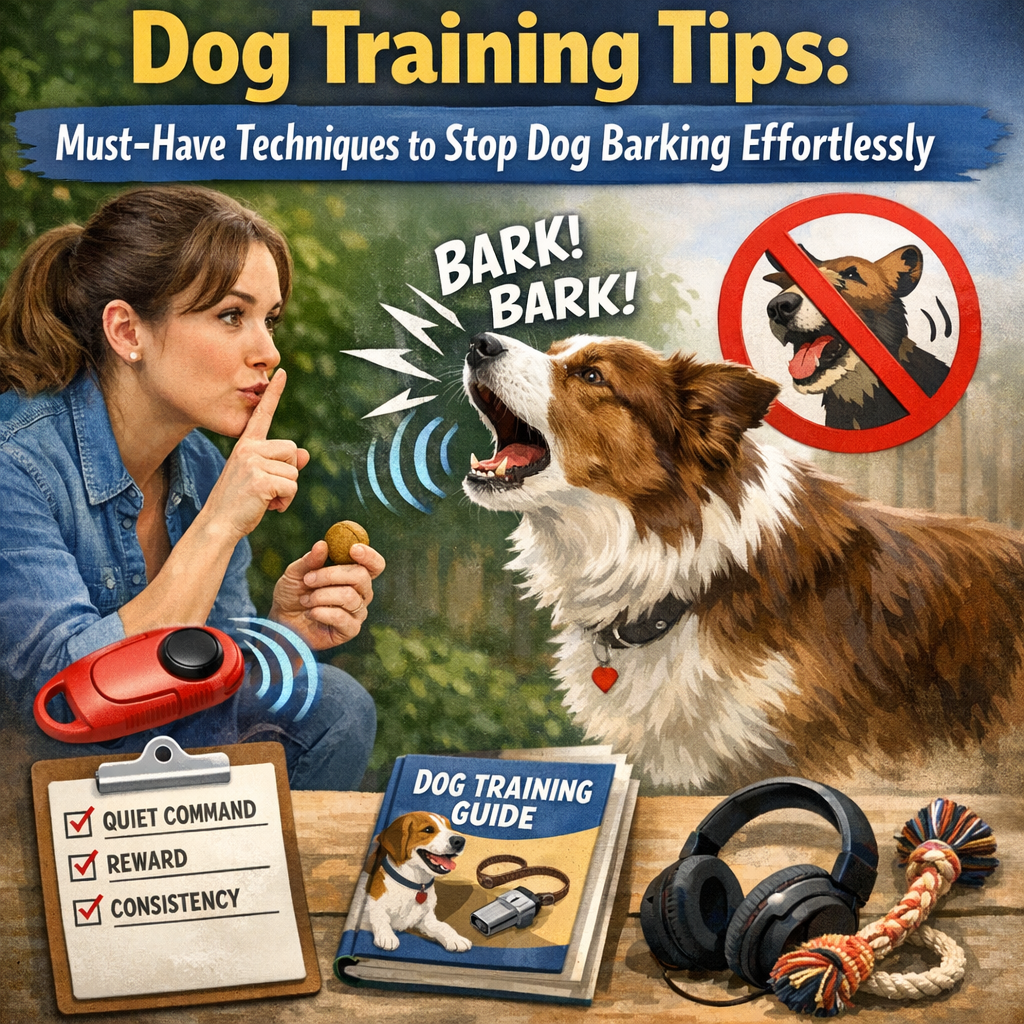
Before diving into specific dog training techniques, it’s crucial to understand the reasons behind your dog’s barking. Dogs bark for various reasons, including alerting owners to danger, seeking attention, expressing boredom or anxiety, or simply reacting to other animals or people. Identifying the root cause of barking will help you tailor the training strategy effectively.
For example, a dog barking out of anxiety will need a different approach compared to one barking to get attention or out of boredom. Observing when and how your dog barks can provide valuable insights and make the training process smoother.
Key Dog Training Techniques to Stop Barking
1. Positive Reinforcement Training
One of the most effective dog training methods to stop barking is positive reinforcement. This technique involves rewarding your dog for calm and quiet behavior with treats, praise, or playtime. When your dog stops barking on command or remains quiet in a previously barking-triggering situation, immediately reward them. Consistency is key—over time, your dog will associate being quiet with positive outcomes.
2. Teaching the “Quiet” Command
Training your dog to respond to a “quiet” command empowers you to regain control during barking episodes. Start by allowing your dog to bark a few times, then gently hold a treat in front of their nose and say “quiet” in a calm but firm voice. When your dog stops barking to sniff the treat, reward them immediately. Repeat this exercise consistently until your dog reliably responds to the “quiet” command even without the treat present.
3. Desensitization to Triggers
If your dog barks at specific stimuli like doorbells, other dogs, or passing cars, desensitization can help. This involves gradually exposing your dog to the trigger at a low intensity and rewarding calm behavior. Over time, increase the exposure intensity while continuing to reward non-barking behavior. This method reduces the dog’s sensitivity and reactive barking to those triggers.
4. Providing Adequate Exercise and Mental Stimulation
A tired dog is a happy and quieter dog. Boredom and excess energy are common causes of excessive barking. Incorporate regular physical exercise and mental stimulation, such as puzzle toys or obedience training sessions, into your dog’s routine. This not only helps reduce barking but also promotes overall well-being.
5. Avoid Reinforcing Barking by Attention
Many owners unknowingly encourage barking by responding with attention when their dog barks. This can reinforce the behavior as the dog learns bark = attention. Instead, ignore the barking and only give attention when your dog is quiet and calm. This teaches your dog that silence, not barking, brings rewards.
Common Mistakes to Avoid in Dog Training
Using Punishment or Yelling
While it’s frustrating to deal with barking, using punishment or yelling can worsen the behavior. Dogs may bark more out of fear, anxiety, or confusion. Positive and consistent training methods are far more effective for long-term success.
Inconsistent Training
Inconsistent responses from owners can confuse dogs and slow down the training process. Ensure every family member uses the same commands and techniques to prevent mixed signals.
Tools to Assist in Barking Control
In addition to behavioral training, there are several humane tools that can assist in managing barking:
– Clicker Training: Works hand-in-hand with positive reinforcement by providing a consistent marker for desired behavior.
– Anti-Barking Collars: There are vibration, citronella, and ultrasonic collars designed to deter barking without causing harm. Always choose reputable products and consult a professional before using.
– White Noise Machines: Help mask external noises that trigger barking.
Conclusion
Dog training to stop excessive barking is a journey that requires patience, understanding, and dedication. By identifying the causes of barking and applying the must-have techniques like positive reinforcement, teaching commands such as “quiet,” desensitization, and providing ample exercise, you can significantly reduce unwanted barking. Remember, each dog is unique and may respond differently, so stay consistent and compassionate throughout the process. With time and the right approach, you and your dog can enjoy a calm and harmonious living environment free from barking frustrations.