Dog Training Secrets: Must-Have Tips to Stop Dog Barking Fast
Dog training can be a rewarding yet challenging experience, especially when it comes to managing excessive barking. Unwanted barking is one of the most common complaints among dog owners. It can be disruptive, stressful, and sometimes embarrassing. If your dog’s barking has become a source of frustration, fear not—there are effective techniques you can use to curb this behavior quickly and humanely. In this article, we will uncover some essential dog training secrets to help you stop dog barking fast while strengthening the bond with your furry friend.
Understanding Why Dogs Bark: The First Step in Dog Training
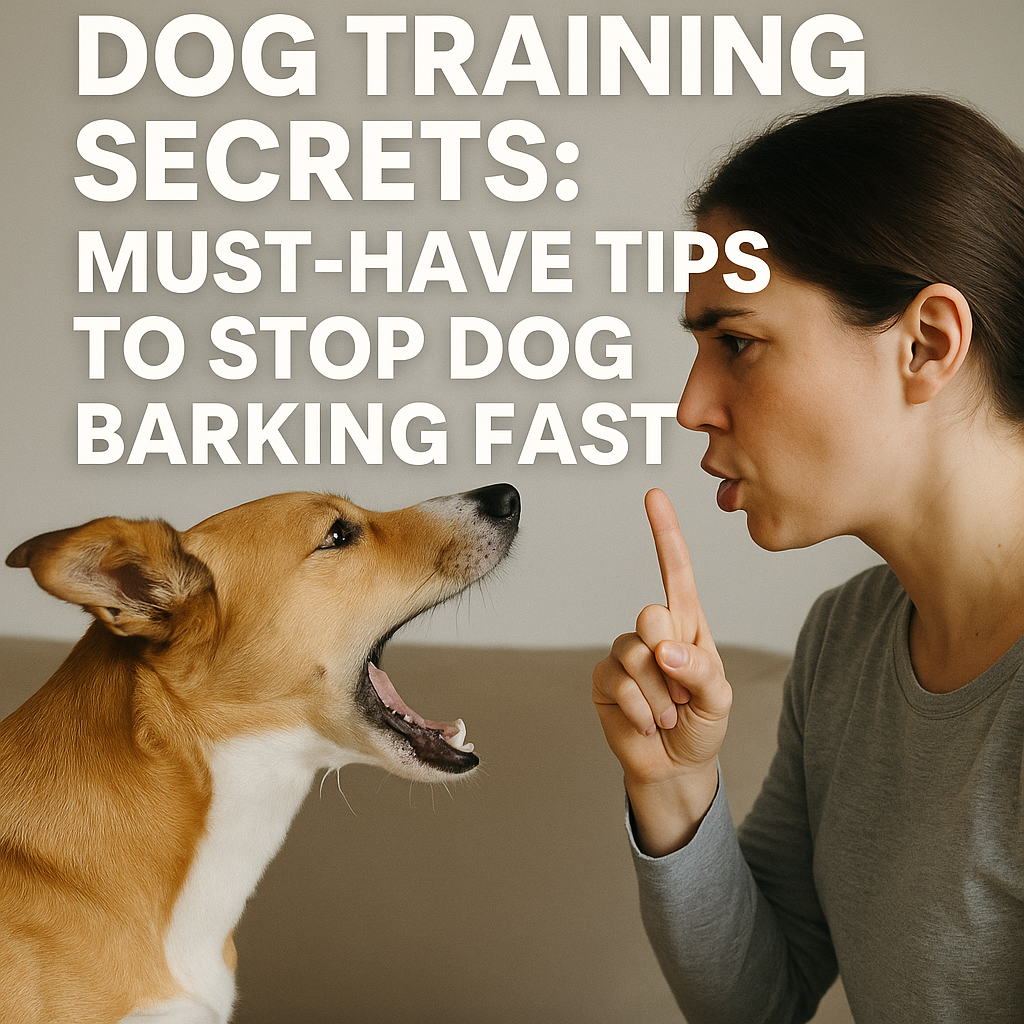
Before diving into solutions, it’s vital to understand why dogs bark in the first place. Barking is a natural form of communication for dogs. They may bark for several reasons:
– Alerting to perceived danger or strangers
– Seeking attention or expressing boredom
– Reacting to anxiety or fear
– Responding to excitement or playfulness
– Communicating discomfort or frustration
Knowing the cause of your dog’s barking is key to choosing the right training approach. Observing your dog’s behavior and the context in which they bark will help you address the issue more effectively.
Essential Dog Training Tips to Stop Excessive Barking
1. Consistency Is Key
One of the most important dog training secrets is consistency. Dogs learn through repetition and routine. Set clear rules about when barking is allowed and when it isn’t. Be consistent with your commands and rewards every time your dog barks inappropriately. If one family member reacts to barking differently than another, it will confuse your dog and slow down progress.
2. Teach the “Quiet” Command
Training your dog to understand a “quiet” or “enough” command can dramatically cut down on unnecessary barking. Here’s how you can introduce it:
– When your dog starts barking, let them bark a few times.
– Hold a treat in front of their nose to distract them and say “quiet” in a calm and firm voice.
– Once your dog stops barking, even for a few seconds, immediately reward them with the treat and praise.
– Repeat this process consistently until your dog associates the word with the behavior.
3. Use Positive Reinforcement
Positive reinforcement is a cornerstone of modern dog training. Instead of punishing barking, reward your dog when they remain quiet. This builds trust and encourages your dog to repeat desired behaviors. Treats, affectionate petting, and verbal praise are effective motivators.
4. Provide Mental and Physical Stimulation
Sometimes, dogs bark because they are bored or have excess energy. Incorporate regular exercise and mentally stimulating activities into your dog’s daily routine:
– Walks, runs, or playtime with toys
– Puzzle feeders or treat-dispensing toys
– Training sessions that challenge their skills
A tired dog is a quiet dog, so ensure your pooch is getting enough activity to stay happy and relaxed.
5. Manage the Environment
If certain triggers like passing pedestrians, doorbells, or other animals set off your dog’s barking, try to manage your environment proactively:
– Close curtains or block your dog’s view of outside distractions.
– Use white noise machines or calming music to mask outside sounds.
– Limit your dog’s access to areas where they usually bark excessively.
This environmental control helps reduce barking triggers and makes training more effective.
6. Avoid Giving Attention to Barking
Many dogs bark simply to get attention. If barking leads to petting, talking, or play, your dog will learn this is a successful strategy. Instead, ignore your dog when they bark for attention. Reward calm, quiet behavior instead. This teaches your furry friend that silence—not barking—earns your notice.
When to Seek Professional Help
If your dog’s barking continues to be a problem despite your dog training efforts, it might be time to consult a professional. Some barking is rooted in anxiety, fear, or medical issues that require expert intervention. Certified dog trainers or veterinary behaviorists can provide personalized strategies tailored to your dog’s specific needs.
Final Thoughts on Effective Dog Training
Stopping unwanted barking quickly requires patience, dedication, and the right techniques. By understanding the reasons behind your dog’s barking and applying these dog training secrets, you can achieve noticeable results that enhance your relationship and overall peace in your home. Remember to be consistent, use positive reinforcement, and cater to your dog’s physical and mental needs.
With the right approach, you’ll discover that your dog can learn to communicate more appropriately while enjoying a happier, more balanced life. Use these tips today to take control of barking issues and continue building a strong, trusting bond with your beloved pet.