Dog Training Commands: Must-Have Basic Skills for Best Results
Dog training is an essential part of responsible pet ownership, fostering a harmonious relationship between you and your furry friend. Whether you have a playful puppy or a mature dog, mastering basic commands can significantly improve communication, safety, and overall behavior. In this article, we will explore the most important dog training commands every pet owner should teach their dog to ensure the best results.
Why Dog Training Commands Matter
Effective dog training commands are the foundation of well-behaved dogs. They not only help manage your pet’s behavior but also strengthen the bond you share. With consistent training, dogs learn to understand expectations, respond appropriately, and navigate various environments calmly. Additionally, basic commands can prevent dangerous situations such as running into traffic or aggressive confrontations.
Essential Dog Training Commands for Beginners
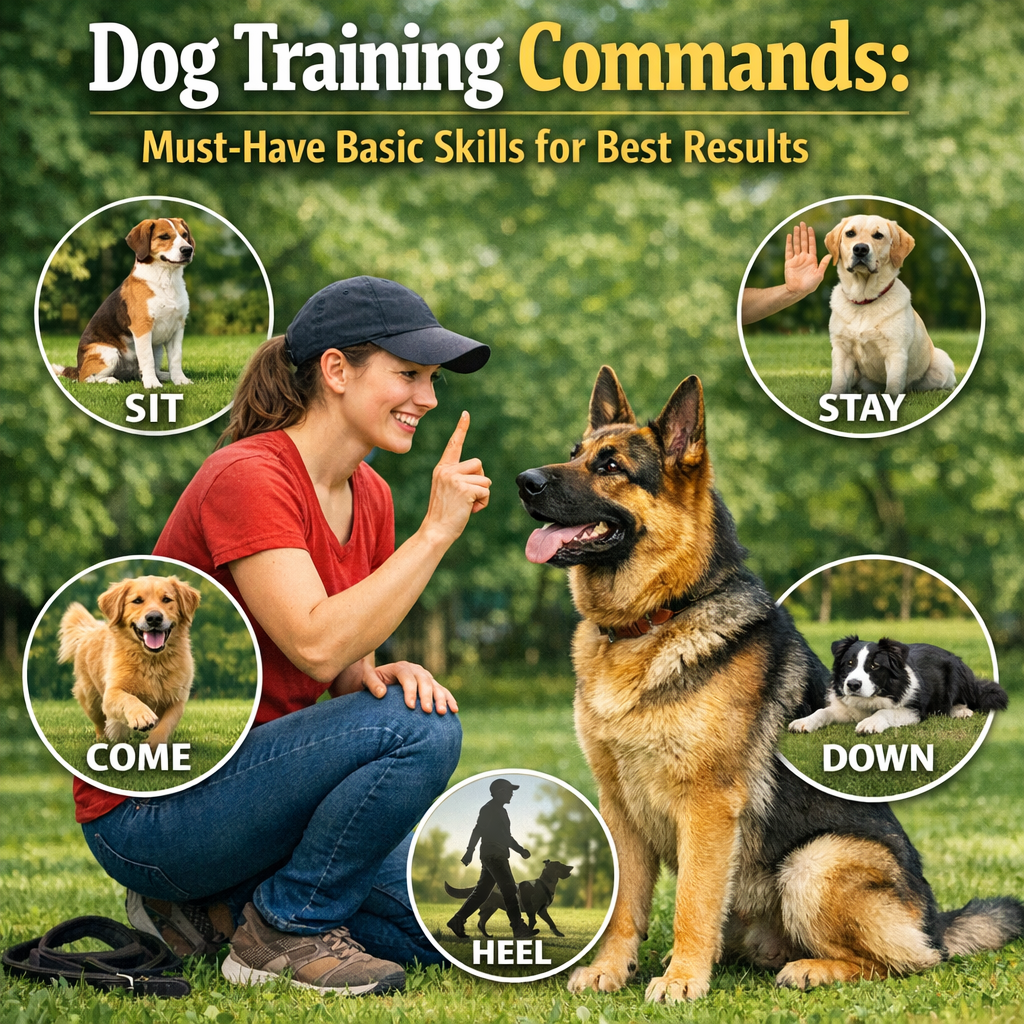
The key to success in dog training is starting with fundamental commands that serve as building blocks for more advanced skills. Here are the core commands to master:
1. Sit
“Sit” is often the first command taught because it’s simple and highly practical. It encourages your dog to pause and focus on you, providing a calm starting point for other commands. Teaching your dog to sit can help curb impulsive behaviors like jumping or barking excessively.
How to Teach: Hold a treat close to your dog’s nose and slowly move it up and back over their head. As they follow the treat, their bottom will naturally lower to the ground. The moment they sit, say “sit,” then reward them with the treat and praise.
2. Stay
The “stay” command is invaluable for controlling your dog’s movements in different situations, such as crossing the street or greeting guests. It promotes patience and self-control.
How to Teach: Start with your dog in the sitting position. Show your palm in front and say “stay” while stepping back a small distance. If your dog remains, immediately reward and praise. Gradually increase the distance and duration over time.
3. Come
Recall is one of the most important safety commands your dog must know. It calls your dog back to you, no matter the distractions around them, which can be lifesaving.
How to Teach: Crouch down and call your dog’s name followed by “come” in a happy tone. When your pup approaches, reward them enthusiastically with treats and affection. Practice this command in various environments to reinforce reliability.
4. Down
The “down” command tells your dog to lie down calmly and is useful for calming a hyper or excited dog. It’s also a great starting point for settling behaviors in busy or stressful environments.
How to Teach: With your dog sitting, hold a treat near their nose, then slowly lower the treat to the ground. Your dog should follow the treat and lie down. Once down, say “down,” then reward.
5. Leave It
This command helps prevent your dog from picking up or chewing on dangerous or unwanted objects. It reinforces impulse control and safety.
How to Teach: Show your dog a treat in your closed hand and say “leave it.” Ignore attempts to get the treat, withholding attention. When your dog stops trying, reward them with a different treat from your other hand.
Tips for Successful Dog Training
Effective dog training isn’t just about the commands—it also depends on your approach and environment. Here are some tips to optimize results:
Consistency Is Key
Dogs learn best when commands and expectations are consistent. Use the same words and signals each time, and ensure all family members follow the same training routine.
Positive Reinforcement
Reinforce good behavior with treats, verbal praise, and affection. Avoid punishment-based methods as they can lead to fear and anxiety, which hinder learning.
Keep Training Sessions Short and Fun
Short, frequent sessions (5 to 10 minutes) yield better results than long, exhaustive ones. Always end on a positive note to keep your dog motivated for future training.
Practice in Different Environments
Dogs can struggle to generalize commands when distractions differ. Train commands in several locations—your home, yard, park—to help your dog learn to respond reliably everywhere.
Be Patient and Realistic
Training takes time and each dog learns at their own pace. Be patient and celebrate small victories along the way.
Beyond Basic Commands: Building a Strong Foundation
Mastering the basic dog training commands lays a solid foundation for more advanced obedience or specialized skills like agility, therapy, or service work. It also enhances your dog’s mental stimulation, preventing boredom and destructive behaviors.
Remember, dog training isn’t just about control—it’s about communication, trust, and mutual respect. With dedication and consistency, your dog will thrive, making your companionship more rewarding.
—
In conclusion, learning these must-have dog training commands not only ensures your pet’s safety but also enriches their quality of life. By investing time and effort into basic skills such as sit, stay, come, down, and leave it, you create a positive training experience with lasting benefits. Whether you are a first-time pet owner or looking to refine your current training approaches, these commands provide a reliable starting point for achieving the best results with your canine companion.