Dog Health: Must-Have Tips to Stop Shedding Effortlessly
When it comes to maintaining a happy and healthy canine companion, dog health plays a pivotal role in ensuring their coat remains shiny, vibrant, and importantly, manageable. One common challenge many dog owners face is excessive shedding, which can quickly transform your home into a fur-covered zone. Understanding how to stop shedding effortlessly not only helps keep your home cleaner but also contributes to the overall well-being of your furry friend.
Understanding Shedding and Its Role in Dog Health
Shedding is a natural, biological process in dogs that helps them get rid of old or damaged hair as part of their coat’s growth cycle. It allows dogs to renew their fur and regulate body temperature according to the season. However, excessive shedding can signal underlying health issues or improper care. Constantly losing more hair than usual may indicate allergies, nutritional deficiencies, parasites, or even stress.
By paying close attention to your dog’s coat and shedding patterns, you can detect early signs of potential health problems and improve their quality of life.
Proper Nutrition: The Foundation of Healthy Fur
One of the most effective ways to limit shedding involves focusing on your dog’s diet. The connection between nutrition and dog health is profound, especially for maintaining a healthy coat. Feeding your dog a balanced diet rich in essential fatty acids like Omega-3 and Omega-6 can promote skin hydration and reduce flaking and shedding. These nutrients help strengthen hair follicles and improve the overall appearance of your dog’s coat.
Tips to optimize nutrition for your dog:
– Choose high-quality, natural dog food with meat as the primary ingredient.
– Include supplements containing fish oil or flaxseed oil, but only after consulting your veterinarian.
– Avoid foods that contain fillers, artificial flavors, or excessive grains, as they may contribute to allergies or poor skin health.
Regular Grooming to Reduce Shedding
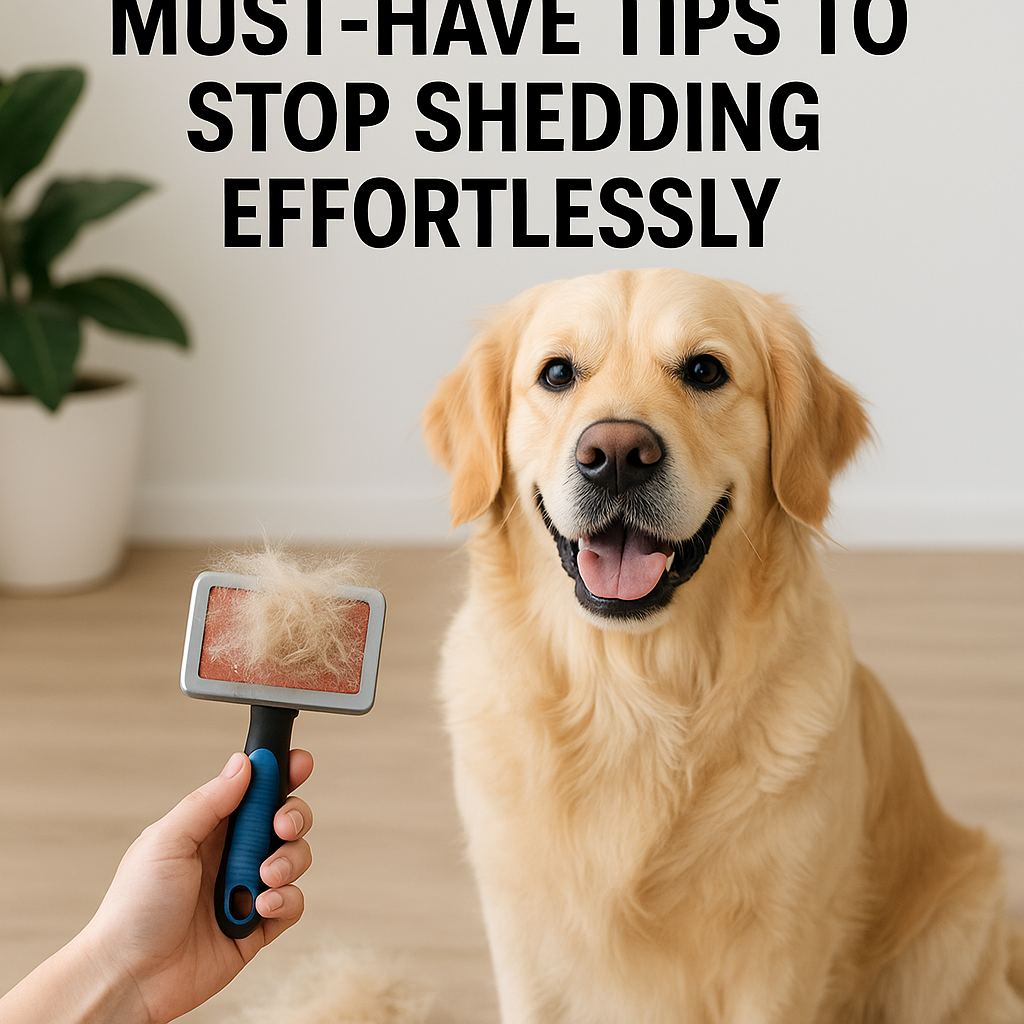
Grooming is not just about keeping your dog looking good; it plays a direct role in maintaining dog health, especially when it comes to controlling shedding. Regular brushing helps remove loose fur, dirt, and dander before it ends up on your furniture or clothes.
How grooming helps reduce shedding:
– Brushing: Depending on the breed and coat type, brushing frequency varies—but generally, daily to weekly brushing can drastically reduce loose fur.
– Bathing: Regular baths with dog-friendly shampoos cleanse the skin and rid the coat of allergens that may cause hair loss.
– Professional grooming: Some breeds benefit from professional grooming, which ensures the coat stays healthy and mat-free.
Manage Environmental Factors to Support Dog Health
Keeping your dog’s environment clean and free from irritants also contributes to reducing shedding. Allergens like dust, pollen, and mold can cause skin irritation, leading to excessive scratching and hair loss.
Environmental tips include:
– Regularly washing your dog’s bedding and vacuuming the house to minimize allergens.
– Using air purifiers to reduce airborne irritants.
– Avoiding exposure to harsh chemicals, like certain cleaning products or pesticides near your pet.
Preventative Care and Vet Visits
Maintaining dog health means staying proactive with preventative care. Regular veterinary check-ups help detect and treat potential causes of excessive shedding early. Parasites such as fleas and mites can irritate your dog’s skin and lead to hair loss. Vaccinations, parasite control, and skin screenings are vital parts of keeping your dog’s coat healthy.
If you notice any sudden or patchy hair loss, persistent itching, redness, or inflammation, don’t hesitate to consult your veterinarian. Early intervention can prevent minor problems from turning into serious health concerns.
Stress Relief and Exercise: Often Overlooked Factors
Stress and anxiety can also trigger shedding in dogs. Changes in environment, routine, or exposure to loud noises can lead to hair shedding beyond normal levels.
Incorporating stress-relieving activities like daily exercise, playtime, and mental stimulation not only keeps your dog physically fit but supports emotional well-being as well—ultimately contributing to a healthier coat.
Final Thoughts on Managing Shedding and Prioritizing Dog Health
Addressing shedding effectively requires a well-rounded approach focused on dog health. By optimizing nutrition, maintaining consistent grooming routines, managing environmental factors, and ensuring regular veterinary care, you can help your dog shed less and feel great.
Remember, shedding is a natural process, but with the right care and attention, excessive hair loss doesn’t need to be part of your dog’s story. Implement these tips and enjoy a cleaner home and a happier dog with a lustrous, healthy coat.