Dog Health: Must-Have Dog Grooming Tips for Effortless Home Care
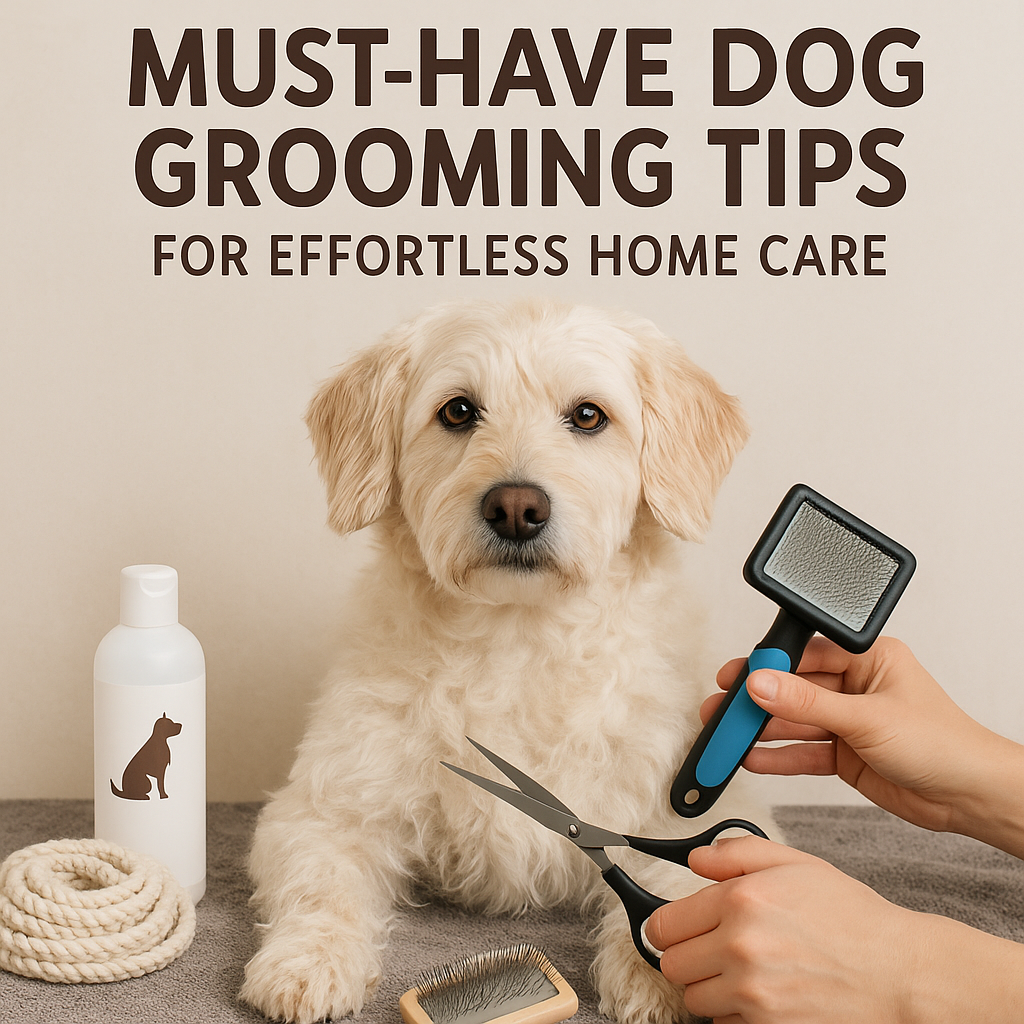
Maintaining good dog health goes beyond regular vet visits and a balanced diet. One essential aspect often overlooked by pet owners is proper grooming. Grooming is not only crucial for keeping your furry friend looking their best, but it also plays a vital role in their overall well-being. When done right, grooming helps prevent health issues, promotes cleanliness, and strengthens the bond between you and your pet. Here are some must-have dog grooming tips that will make home care easier and more effective.
Why Grooming Matters for Dog Health
Grooming is more than just a beauty routine; it’s a health necessity. Regular brushing and bathing help remove dirt, dead skin, and loose hair while stimulating blood circulation. It also gives you a chance to check your dog for external parasites like fleas and ticks, as well as skin conditions or lumps that might need veterinary attention.
Dogs with long or thick coats require frequent grooming to avoid matting and tangles, which can trap moisture and lead to infections. Even short-haired dogs benefit from occasional brushing to keep their coat shiny and healthy. Additionally, grooming sessions provide an opportunity to clean your dog’s ears, trim their nails, and maintain oral hygiene—all of which are essential for preventing discomfort and diseases.
Essential Dog Grooming Tools for Home Care
To make grooming effortless at home, it’s important to have the right tools on hand. Investing in quality grooming supplies will save time and help your dog feel more comfortable during grooming sessions.
– Brushes and Combs: Choose a brush that suits your dog’s coat type. Slicker brushes are great for removing mats, while bristle brushes work well for smooth coats. A fine-toothed comb is ideal for sensitive areas like around the eyes and ears.
– Nail Clippers: Proper nail care prevents pain and joint problems. Use sharp nail clippers designed for dogs and file any sharp edges.
– Dog Shampoo: Use a mild dog-specific shampoo that won’t irritate your pet’s skin. Avoid human shampoos, as they can disrupt the pH balance of a dog’s skin.
– Ear Cleaning Solution: Regular ear cleaning helps prevent infections. Use a vet-recommended solution and cotton balls.
– Toothbrush and Dog Toothpaste: Dental care is crucial and can be incorporated into grooming routines. Brush your dog’s teeth regularly to reduce plaque and bad breath.
Dog Health: Step-by-Step Grooming Tips for Home Care
Brushing: The Foundation of Healthy Coat Care
Start by brushing your dog’s coat thoroughly to remove loose hair and dirt. For dogs with shedding issues, daily brushing reduces hair around the house and minimizes matting. Always brush gently and follow the direction of hair growth. Spend extra time on common trouble spots such as behind the ears, under the legs, and around the collar area.
Bathing: Keep It Occasional But Effective
Bathing frequency depends on your dog’s breed and lifestyle. Generally, a bath every 4 to 6 weeks is sufficient. Use lukewarm water and massage the shampoo into the coat, avoiding the eyes and inside the ears. Rinse thoroughly to prevent itchiness caused by leftover shampoo residue. Finish with a towel dry or a low-heat blow dryer on a gentle setting.
Nail Trimming: Avoid Overgrown Nails
Overgrown nails can lead to discomfort and affect how your dog walks. Trim nails every 3 to 4 weeks, cutting only the tip to avoid hitting the quick (the sensitive part inside the nail). If you’re unsure, ask your vet or groomer for a demonstration. After trimming, smooth the edges with a nail file.
Ear Cleaning: Prevent Infections and Odors
Clean your dog’s ears weekly to remove wax buildup and dirt. Dampen a cotton ball with the ear cleaning solution and gently wipe the visible part of the ear canal. Never insert anything deep into the ear to avoid injury. If you notice redness, swelling, or a foul smell, consult your veterinarian immediately.
Dental Care: More Than Fresh Breath
Incorporate tooth brushing into your grooming routine at least two to three times a week. Using a dog-specific toothbrush and toothpaste, gently brush your dog’s teeth to prevent plaque buildup and promote healthier gums. Regular dental care reduces the risk of more serious health problems like kidney or heart disease.
Tips to Make Grooming Stress-Free for You and Your Dog
Many dogs find grooming stressful, mainly if they’re unaccustomed to the process. To make grooming a pleasant experience for both of you:
– Start grooming sessions slowly and gradually increase their duration.
– Use treats and positive reinforcement to create a positive association.
– Choose a quiet, comfortable space with good lighting.
– Keep grooming sessions regular to prevent your dog from becoming anxious.
– If your dog has severe anxiety or aggression, consider consulting a professional groomer or trainer for guidance.
Conclusion
Prioritizing dog health through regular grooming not only enhances your pet’s appearance but significantly contributes to their overall physical and emotional well-being. With the right tools, techniques, and a gentle approach, home grooming can become an effortless and rewarding part of your routine. This simple commitment will help ensure your dog stays healthy, happy, and comfortable for years to come.