Dog Health: 7 Must-Have Signs Your Dog Is Sick Today
When it comes to dog health, being able to recognize the early signs that your furry friend may be unwell is crucial. Dogs can’t verbally communicate their discomfort or pain, so it’s up to attentive pet owners to spot subtle changes that may indicate illness. Timely identification of these signs can mean the difference between a quick recovery and a serious health issue. In this article, we’ll explore seven must-have signs that signal your dog may be sick today, so you can take prompt action to ensure their wellbeing.
Understanding Dog Health: Why Early Detection Matters
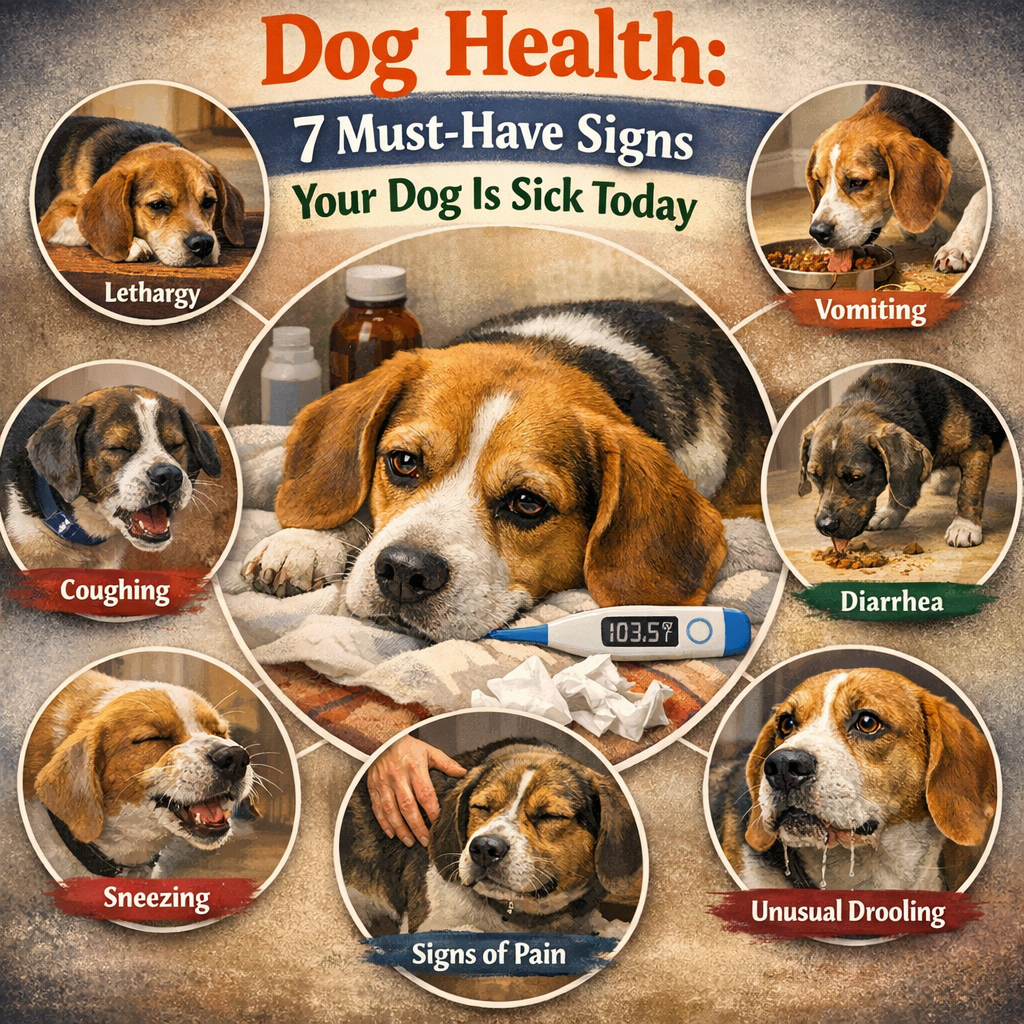
Maintaining good dog health involves not only regular vet visits and a nutritious diet but also keen observation of your dog’s daily behavior and physical condition. Just like humans, dogs can experience a variety of health issues ranging from mild infections to chronic diseases. Spotting symptoms early can improve treatment outcomes and potentially save your dog’s life. Let’s dive into some of the most common and important signs indicating your dog might be feeling under the weather.
1. Changes in Appetite and Drinking Habits
One of the first signs to watch for is a noticeable change in your dog’s eating or drinking patterns. A loss of appetite or sudden disinterest in food may signal underlying problems such as dental issues, digestive troubles, or systemic illness. Conversely, excessive thirst can indicate dehydration, kidney problems, or diabetes. Keep track of how much your dog typically consumes and be alert to any sudden increases or decreases.
2. Lethargy and Reduced Energy Levels
If your dog, who is normally active and playful, becomes sluggish or unwilling to engage in usual activities, it might be a red flag for poor dog health. Lethargy can result from infections, chronic conditions, or pain. While occasional tiredness can be normal, prolonged inactivity or reluctance to move deserves veterinary attention.
3. Vomiting and Diarrhea
Vomiting and diarrhea aren’t just inconvenient—they can quickly lead to dehydration and indicate a range of health issues from dietary indiscretion to infections or organ dysfunction. While an isolated episode might not raise alarm bells, persistent or recurrent vomiting and diarrhea definitely require a vet’s evaluation.
4. Changes in Urination Patterns
Alterations in how often or how much your dog urinates can point to urinary tract infections, kidney disease, or diabetes. Pay attention if your dog is straining to urinate, showing discomfort, or having accidents indoors after being well-trained. Such patterns affect dog health and should prompt a swift check-up.
5. Respiratory Issues
Wheezing, coughing, rapid breathing, or difficulty catching breath are all signs that your dog’s respiratory health might be compromised. These symptoms could stem from infections like kennel cough, allergies, heart disease, or even more serious lung conditions. Observe how your dog breathes during rest and exertion and seek help if you notice abnormal signs.
6. Excessive Scratching, Licking, or Hair Loss
Skin problems are often among the most visible signs of compromised dog health. If your dog is persistently scratching, licking certain areas, or losing patches of fur, it could be due to allergies, parasites, fungal infections, or other dermatological concerns. Early intervention can prevent worsening discomfort and secondary infections.
7. Behavioral Changes
Behavioral shifts such as increased aggression, anxiety, confusion, or withdrawal may be linked to pain, neurological issues, or systemic illness. Dogs may hide their discomfort, so noticeable personality changes are an important clue to monitor for, adding another layer to your pet health vigilance.
Taking Action: When to See the Vet
Recognizing these signs early can significantly impact your dog’s health outcomes. If you observe any of these symptoms persisting for more than 24 hours, or if they appear severe (such as difficulty breathing or continuous vomiting), seek veterinary advice immediately. Routine health checks, vaccinations, and parasite control are also vital components of maintaining optimal dog health.
Final Thoughts on Dog Health Awareness
Being a proactive pet owner means understanding that signs of sickness aren’t always obvious. Monitoring changes in your dog’s habits and physical condition daily ensures you are the first to notice when something is wrong. After all, your dog depends on you to keep them safe, happy, and healthy. Stay observant, trust your instincts, and never hesitate to consult your veterinarian—your dog’s health depends on it.