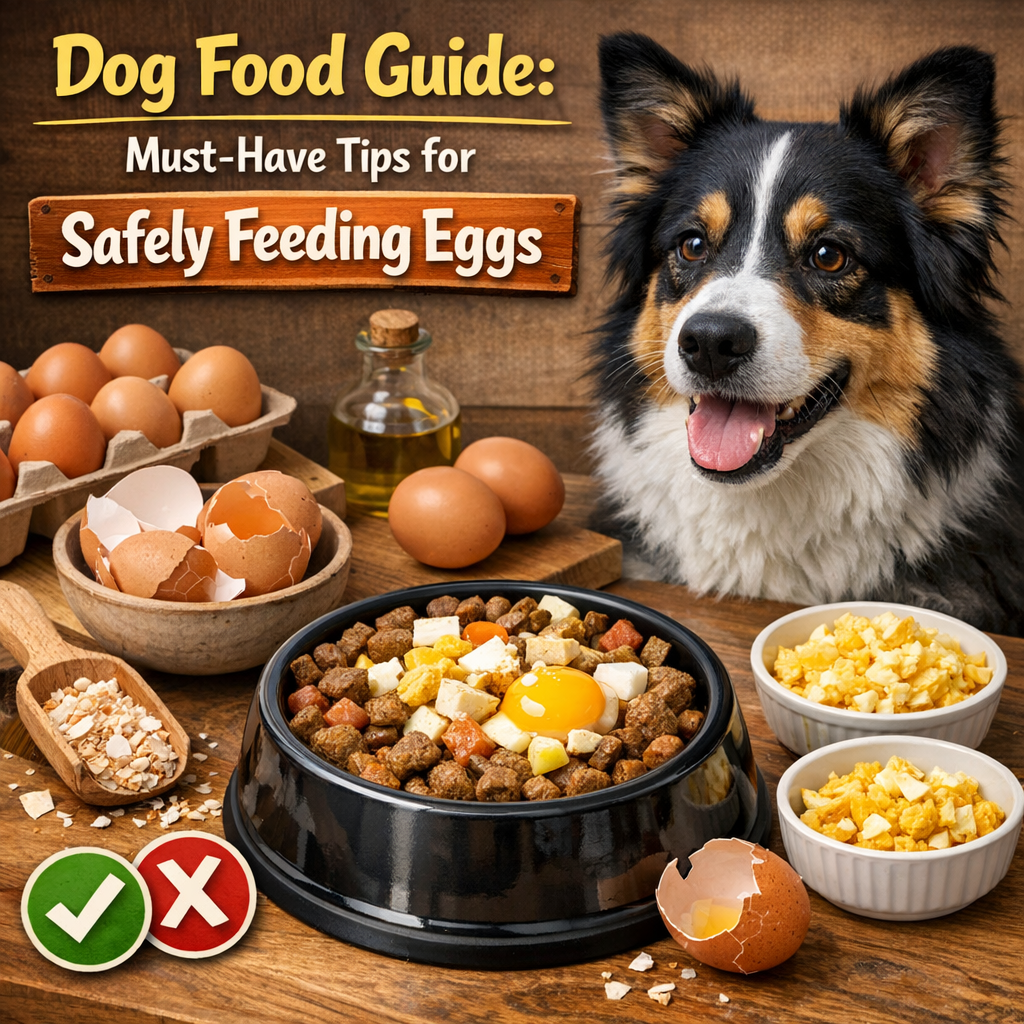
Dog Food Guide: Must-Have Tips for Safely Feeding Eggs
When it comes to diversifying your pet’s diet, dog food isn’t the only option to consider. Many dog owners are curious about incorporating wholesome, natural ingredients into their furry friend’s meals, and eggs often top the list. Eggs are packed with essential nutrients that can contribute to your dog’s health, but feeding them safely requires a bit of knowledge. In this dog food guide, we’ll explore everything you need to know about feeding eggs to your dog safely and effectively.
Why Consider Eggs as Part of Dog Food?
Eggs are a powerhouse of nutrition, offering a rich source of protein, vitamins, and minerals that dogs need to thrive. They contain essential amino acids and fatty acids that support muscle development and brain function, as well as antioxidants like lutein and zeaxanthin, which promote eye health. Including eggs in your dog’s diet can bring variety and valuable nutrients that might be missing from their regular dog food.
Moreover, eggs are generally easy for dogs to digest and are often recommended by veterinarians as a supplement or alternative protein source, especially for dogs with sensitivities or allergies to certain meats.
Can Dogs Eat Eggs Every Day?
One common question is how often dogs can safely consume eggs. Because eggs contain a concentrated source of nutrients, feeding them in moderation is key. Giving your dog an egg a few times a week can be beneficial, but daily feeding is generally unnecessary and could lead to an imbalance in their diet.
As with any addition to dog food, portion control helps avoid excess calories. The size of your dog also plays a role; smaller breeds need less frequent servings compared to larger ones. Always consult your veterinarian before regularly incorporating eggs or any new food into your dog’s meals.
How to Safely Prepare Eggs for Your Dog Food
Safety is paramount when adding eggs to your dog’s diet. Raw eggs have been a topic of debate because of concerns regarding bacteria like salmonella and the presence of avidin—a protein in raw egg whites that can interfere with biotin absorption. While some dogs tolerate raw eggs without issue, cooking eggs reduces these risks significantly.
Here are some safe preparation tips:
– Cook thoroughly: Scrambled, boiled, or poached eggs are safer choices. Avoid frying eggs with butter or oil, which add unnecessary fats and calories.
– Avoid seasoning: Do not add salt, pepper, onions, garlic, or any spices. Dogs do not need these additives, and some ingredients can be toxic.
– Use fresh eggs: Fresh eggs reduce the risk of bacterial contamination and ensure better nutrient value.
– Cut into small pieces: Especially for small dogs, chopping the egg into bite-sized portions prevents choking hazards.
Nutritional Benefits of Eggs in Dog Food
The inclusion of eggs in your dog’s diet brings several nutritional advantages that enhance their overall health:
– High-quality protein: Eggs provide all nine essential amino acids, vital for energy, muscle repair, and healthy skin and coat.
– Vitamins: Eggs are rich in Vitamin A, B vitamins (like riboflavin and B12), and Vitamin D, supporting immune function and metabolism.
– Minerals: Important minerals such as selenium, iron, and zinc are found in eggs, boosting immune defense and cognitive function.
– Fats: Eggs contain healthy fatty acids that improve brain development and maintain cell structure.
Together, these components make eggs an excellent supplement to commercial dog food or homemade meals.
What to Avoid When Adding Eggs to Dog Food
While eggs are generally safe, some precautions are essential:
– Allergies: Just like humans, dogs can develop allergies. Watch for signs such as itching, swelling, or digestive upset after feeding eggs.
– Overfeeding: Too many eggs can cause weight gain or upset your dog’s stomach. Moderation is vital.
– Eggshell concerns: Avoid feeding eggshells whole, as they can be sharp and cause injury. If you want to include calcium from shells, grind them finely and add small amounts.
– Raw feeding risks: If you decide to feed raw eggs, ensure your eggs are from a reputable source and always handle with care to minimize bacterial risks.
Incorporating Eggs into Your Dog’s Diet
If you want to start adding eggs to your pet’s food, begin with small amounts and observe your dog’s response. You can mix cooked eggs into their regular dog food to add flavor and nutrients. Some dog owners also use eggs as a training treat or an occasional snack.
For dogs with specific health conditions, such as pancreatitis or kidney disease, consult a vet before introducing eggs since the high fat and protein content may not be suitable.
Final Thoughts on Eggs as a Supplement to Dog Food
Eggs can be a fantastic addition to your dog’s diet when fed properly. Providing essential nutrients, improving palatability, and offering variety, they complement commercially prepared dog food or homemade meals beautifully. Remember to prioritize safe preparation, moderate feeding, and careful observation to ensure your dog enjoys all the benefits eggs have to offer without any risks.
Ultimately, eggs serve as an excellent natural supplement to traditional dog food, contributing to your dog’s overall health and happiness. By following these must-have tips, you can confidently enhance your dog’s mealtime experience with this nutrient-rich food.