Dog Food Guide: Must-Have Human Foods Dogs Can Safely Eat
When it comes to providing the best nutrition for your furry friend, understanding what they can safely consume beyond their regular dog food is essential. Many dog owners wonder if they can share parts of their meals with their pets without risking their health. The good news is, there are several human foods that dogs can safely eat, which can also add variety and essential nutrients to their diet. This dog food guide will explore some must-have human foods that are safe for your canine companion and how to incorporate them responsibly.
Why Consider Human Foods in Your Dog’s Diet?
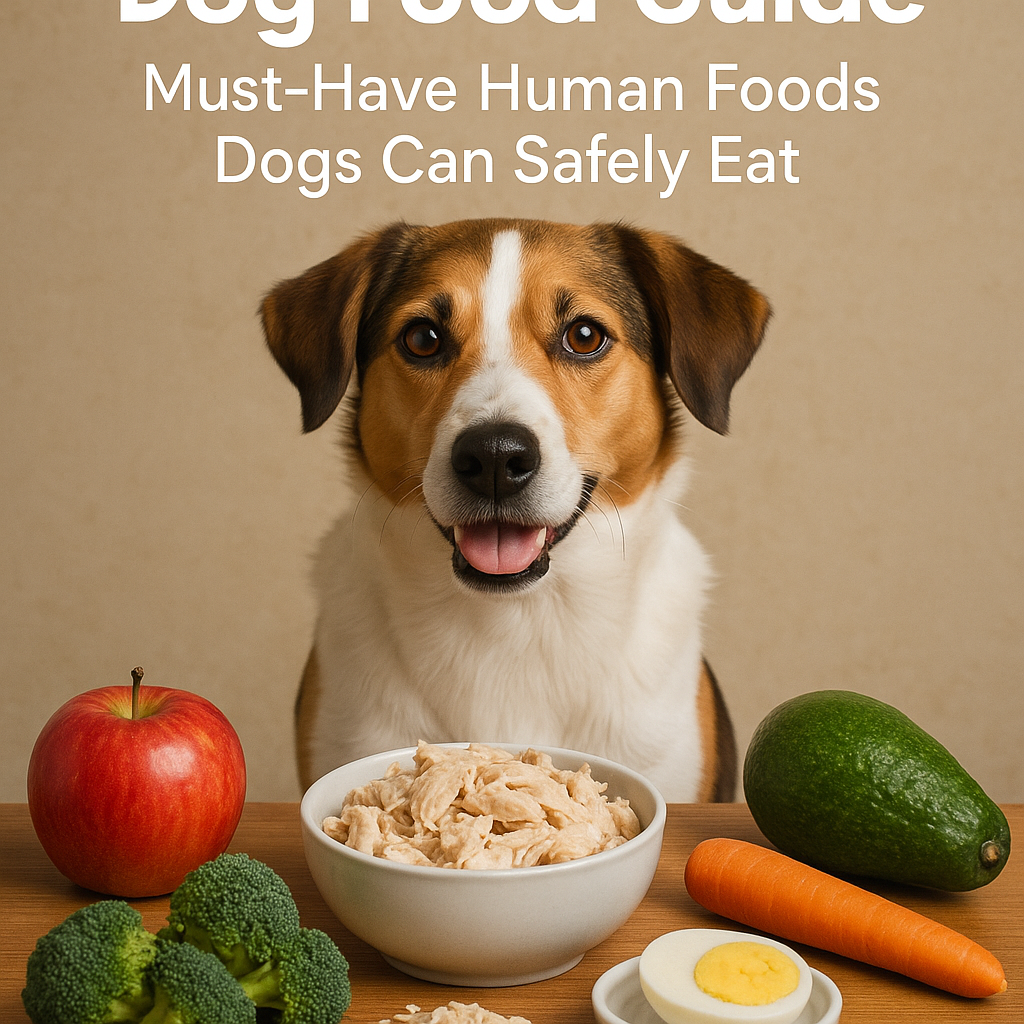
Dog food is specially formulated to meet the dietary needs of dogs, but occasionally supplementing their meals with certain human foods can offer additional health benefits. Including natural, whole foods in your dog’s diet can help boost vitamins, improve digestion, and provide exciting tastes and textures. However, it’s crucial to know which foods are safe, as some human foods, such as chocolate or grapes, are dangerous to dogs.
Must-Have Human Foods Dogs Can Safely Eat
1. Carrots
Carrots are an excellent snack that many dogs love. They are low in calories and high in fiber, making them a perfect treat for dogs who need to watch their weight. Carrots are also rich in beta-carotene, which converts to vitamin A and supports healthy skin and vision. You can give dogs raw carrot sticks or lightly steamed pieces as a crunchy, delicious snack.
2. Plain Pumpkin
Plain, cooked pumpkin is another fantastic human food addition. It’s well-known for aiding digestion due to its high fiber content and can help with both constipation and diarrhea. Pumpkin is also packed with antioxidants and vitamins, such as vitamin C and E, which help support the immune system.
3. Cooked Chicken
Plain, cooked chicken breast without seasoning or bones is a great source of lean protein and is often recommended for dogs recovering from illness. Chicken provides essential amino acids necessary for muscle maintenance and overall health. When feeding your dog cooked chicken, make sure it’s thoroughly cooked and free of spices or additives like garlic and onion, which are toxic to dogs.
4. Apples
Apples make a naturally sweet, crunchy treat that dogs generally enjoy. They’re a good source of vitamins A and C, as well as fiber. Remember to remove the seeds and core, as apple seeds contain trace amounts of cyanide, which can be harmful. Offering thin apple slices as a treat is a safe and healthy option.
5. Green Beans
Green beans are another safe vegetable for dogs and make for a low-calorie treat option. They are high in fiber and vitamins, such as vitamin K and manganese. You can give dogs raw green beans or lightly steamed to soften them. Avoid canned green beans with added salt or preservatives.
6. Peanut Butter
Most dogs love peanut butter, and it can be an excellent source of healthy fats and protein in moderation. Always opt for natural peanut butter without added sugar, salt, or xylitol—a sweetener that is toxic to dogs. Use peanut butter as a treat, a filler in toys, or as a flavor enhancer to administer medication.
7. Oatmeal
Plain cooked oatmeal is a safe carbohydrate option for dogs, especially for those with wheat allergies. Oatmeal provides fiber, which supports a healthy digestive system, and contains vitamins like B-complex vitamins and minerals, including iron. Serve it plain, without sugar or flavorings.
Tips for Safely Incorporating Human Foods into Your Dog Food Routine
Start Small and Observe
Whenever introducing a new human food to your dog’s diet, start with small amounts to monitor for any adverse reactions such as allergies or digestive upset.
Avoid Harmful Ingredients
Some human foods and ingredients must be strictly avoided, including chocolate, onions, garlic, grapes, raisins, alcohol, caffeine, and foods containing xylitol. Always double-check before offering human food to your dog.
Maintain a Balanced Diet
Human foods should not replace your dog’s main dog food meals but should be treated as occasional supplements or treats. A balanced diet is crucial for your dog’s overall health and wellbeing.
Consult Your Veterinarian
Before making significant changes to your dog’s diet or introducing new foods regularly, consult your veterinarian to ensure those choices are appropriate for your dog’s specific health needs.
Conclusion
Adding safe human foods to your dog food routine can be a wonderful way to provide nutritional variety and enrichment for your pet. Carrots, pumpkin, chicken, apples, green beans, peanut butter, and oatmeal are just a few delicious options that offer health benefits without risk. As responsible pet owners, understanding which human foods are safe and how to incorporate them is key to keeping your furry friend happy, healthy, and well-nourished. With this dog food guide in hand, you can confidently share wholesome human foods to boost the quality of your dog’s diet.