Dog Food Guide: Must-Have Eggs for Best Canine Nutrition
When it comes to providing the best diet for your furry friend, dog food plays a crucial role in their overall health and well-being. Among the myriad of ingredients found in commercial dog food, eggs stand out as a powerhouse addition for canine nutrition. Including eggs in your dog’s diet can offer a wide range of benefits, from improved coat health to enhanced muscle development and energy levels. In this guide, we will explore why eggs are a must-have ingredient when considering dog food, how to incorporate them safely, and some tips on choosing the best options for your pet.
Why Eggs Are Essential in Dog Food
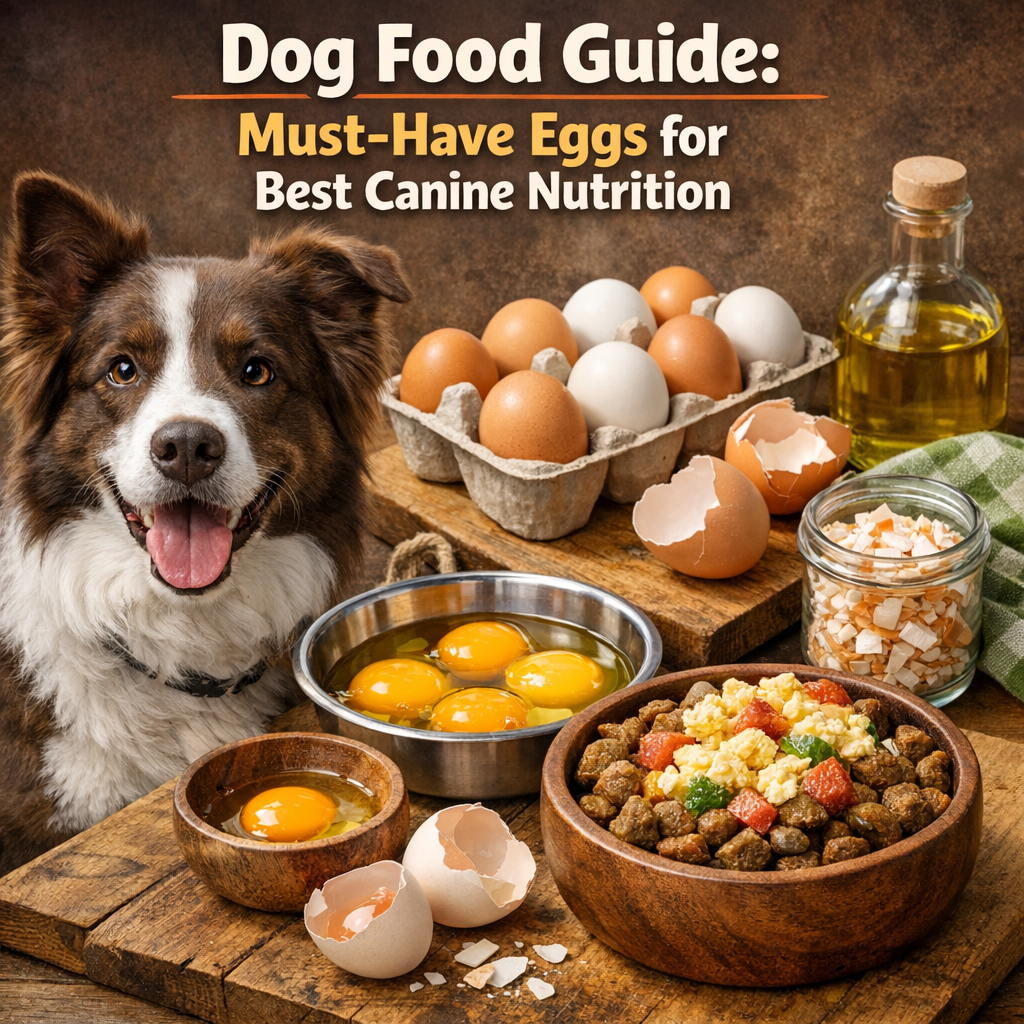
Eggs are a natural source of high-quality protein, containing all nine essential amino acids that dogs need for optimal health. Unlike some protein sources, eggs provide a highly digestible form of protein, making it easier for your dog’s body to absorb and use. This protein is vital for muscle repair, growth, and overall body function.
In addition to protein, eggs are rich in vitamins and minerals. They contain vitamin A, which supports eye health and immune function; vitamin D, crucial for bone development through calcium absorption; and B vitamins like riboflavin and folate, which aid in energy metabolism and red blood cell production. Furthermore, eggs are an excellent source of essential fatty acids, particularly omega-3 and omega-6, which contribute to a shiny coat and healthy skin.
How to Safely Incorporate Eggs into Your Dog Food
Many pet owners wonder if it is safe to add eggs to their dog’s diet and in what form. The good news is eggs can be served either cooked or raw, but there are pros and cons to each method.
– Cooked eggs: Boiling, scrambling, or poaching eggs without any seasoning is the safest way to serve them. Cooking the eggs kills any potential bacteria such as salmonella and makes the protein easier to digest. Avoid frying eggs in oil or butter, as these add unnecessary fat and calories.
– Raw eggs: Some dog enthusiasts advocate for raw eggs because they believe it preserves nutrients that may be lost during cooking. However, feeding raw eggs carries a slight risk of bacterial contamination. Additionally, raw egg whites contain avidin, a protein that can interfere with biotin absorption if fed regularly in large amounts. Feeding raw eggs occasionally and in moderation mitigates this risk.
Regardless of how you serve them, be sure to introduce eggs gradually into your dog’s food to observe any allergic reactions or digestive issues. A small portion to start—such as a quarter or half of a cooked egg—is sufficient for most dogs.
Benefits of Including Eggs in Commercial Dog Food
Many high-quality commercial dog foods now include eggs or egg-derived ingredients. This inclusion not only improves the protein quality but also enriches the nutrient profile without adding fillers or artificial additives. Egg proteins help maintain muscle mass, especially in active and senior dogs, while eggs’ natural fat content supplies a good source of energy and supports brain function.
Egg yolks provide choline, which boosts liver health and supports neurotransmitter function. This is particularly beneficial for puppies who are in critical stages of brain development. Furthermore, eggs’ antioxidant properties can help combat inflammation and promote healthy aging in dogs.
Choosing the Right Dog Food with Eggs
When selecting a dog food product that contains eggs, scrutinize the ingredient list carefully. Look for real eggs or whole egg powder listed near the top, as ingredients are listed in order of weight. Avoid products that rely heavily on egg by-products or fillers, as these may not provide the same nutritional benefits.
Also, consider your dog’s age, size, activity level, and any special dietary needs. Puppies, for example, require higher protein and fat levels that eggs can partially provide. Senior dogs may benefit from the easy-to-digest protein and fatty acids in eggs to maintain health and vitality.
If you prefer homemade meals, it is beneficial to consult with a veterinarian or canine nutritionist to balance your dog’s diet and prevent nutrient imbalances.
Final Thoughts on Eggs and Dog Food
Eggs are more than just a simple kitchen staple—they are a nutrient-dense superfood for dogs that support muscle health, coat shine, and overall vitality. Whether added to homemade meals or sought out in high-quality commercial dog food, ensuring your dog receives this powerful source of protein and essential nutrients can make a significant difference in their health and happiness.
By understanding how to safely prepare and include eggs in your dog’s diet, you are giving your canine companion a delicious, natural way to boost their nutrition every day. So next time you shop for dog food or plan your dog’s meals, don’t overlook the humble egg — it truly is a must-have for best canine nutrition.