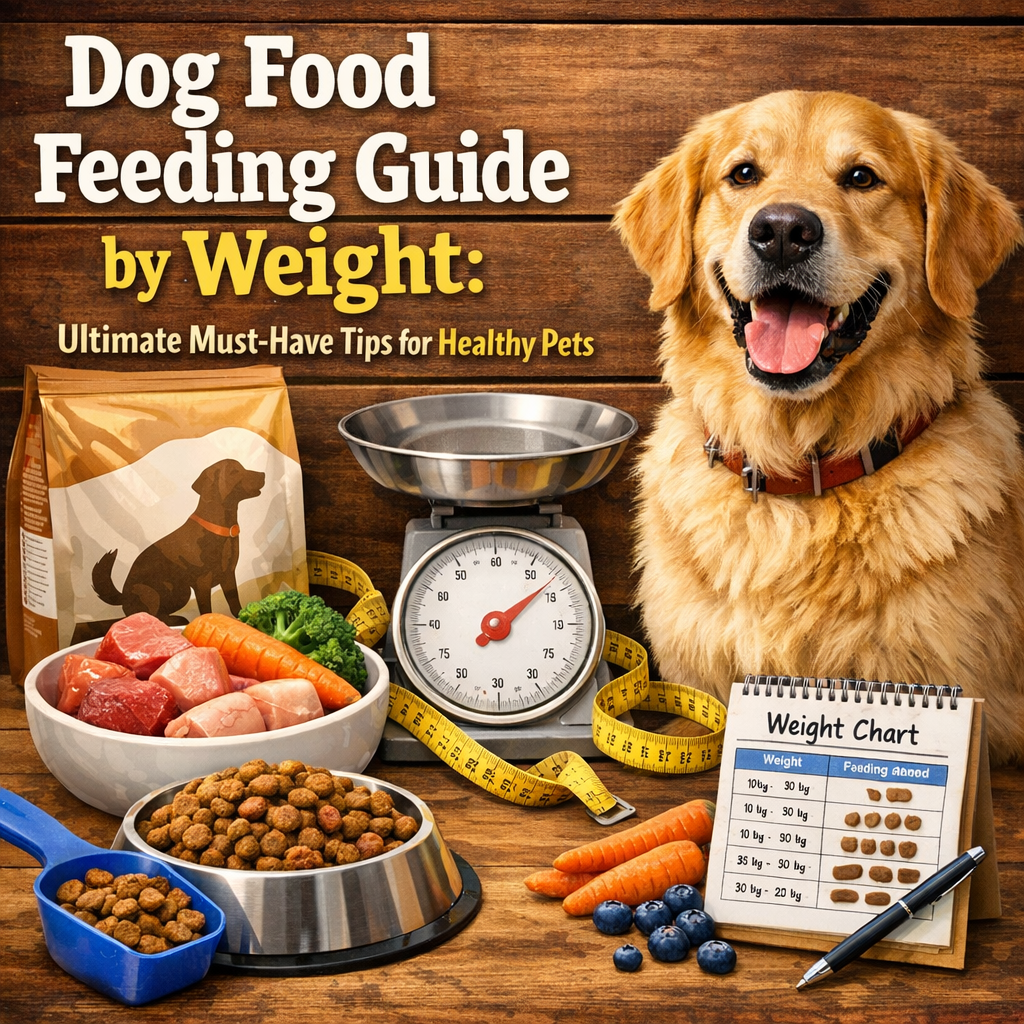
Dog Food Feeding Guide by Weight: Ultimate Must-Have Tips for Healthy Pets
Feeding your pet the right amount of dog food is essential for maintaining their health, energy, and longevity. However, determining the correct portion size can often be confusing, especially since dogs come in various breeds and sizes, each with unique dietary needs. Understanding how much to feed your dog based on their weight is one of the most practical approaches to ensure they receive balanced nutrition without risks of overfeeding or underfeeding.
In this guide, we will deep dive into everything you need to know about feeding your dog properly according to their weight, along with crucial tips for making smart feeding choices.
Why Weight Matters When Feeding Dog Food
Dog weight is a straightforward indicator of their caloric and nutritional needs. Larger dogs generally require more calories than smaller ones, but the quality and type of dog food also play a significant role. Overfeeding can lead to obesity, joint problems, and other health issues, while underfeeding may cause malnutrition and decreased energy levels.
Calculating dog food portions by weight helps maintain their ideal body condition and support healthy growth and activity. Knowing your pup’s current weight and an ideal target weight (if applicable) is the first step toward planning their diet.
Dog Food Feeding Guide by Weight
The following feeding guide provides general recommendations on daily dog food amounts based on weight. Note that these are approximations; always consider your dog’s age, activity level, metabolism, and health conditions.
| Dog Weight (lbs) | Daily Dog Food Amount (cups) |
|——————|——————————|
| 5 – 10 | ¼ to ⅔ |
| 11 – 20 | ⅔ to 1⅓ |
| 21 – 40 | 1⅓ to 2⅔ |
| 41 – 60 | 2⅔ to 3⅔ |
| 61 – 80 | 3⅔ to 4⅔ |
| 81+ | 4⅔+ |
Small Dogs (Up to 20 lbs)
Small dogs such as Chihuahuas, Pomeranians, and Dachshunds are typically fed smaller portions distributed over two to three meals a day. Because their metabolism is usually fast, nutrient-dense dog food with balanced protein and fat is important to fuel their energy without excess calories.
Medium Dogs (21 to 60 lbs)
Breeds like Bulldogs, Beagles, and Cocker Spaniels fall in this category. Their feeding needs can vary depending on activity levels. For active dogs, higher-calorie formulas support their stamina, while less active pups might require lower-calorie dog food to prevent weight gain.
Large and Extra Large Dogs (61 lbs and Above)
Dogs such as Golden Retrievers, German Shepherds, and Great Danes need larger quantities of dog food, but also benefit from food formulated to support joint health and digestion due to their size. Feeding these dogs up to two meals per day can help prevent bloating and maintain a healthy weight.
Tips for Healthy Feeding Habits
1. Choose Quality Dog Food
Always select dog food that meets AAFCO standards and fits your dog’s life stage (puppy, adult, senior). Look for balanced ingredients with quality protein sources and avoid excessive fillers.
2. Measure Portions Accurately
Use a standard measuring cup to portion your dog’s food. Avoid free feeding (leaving food out all day), as it can cause overeating. Establish regular feeding times to maintain routine.
3. Consider Treat Calories
Remember that treats contribute to your dog’s caloric intake. Limit treats to 10% or less of their daily calories and opt for healthy options when possible.
4. Monitor Your Dog’s Weight and Adjust
Regularly weigh and assess your dog’s body condition. If you notice weight fluctuations, consult your veterinarian and adjust food quantities accordingly.
5. Stay Hydrated
Always provide fresh water alongside dog food to support digestion and hydration, crucial for overall health.
6. Account for Special Needs
Puppies, pregnant or lactating dogs, senior dogs, and dogs with health issues may require specialized diets. Consult your vet to tailor feeding plans.
When to Consult a Veterinarian
While the feeding guide by weight is a great starting point, individual differences among dogs make vet guidance invaluable. If your dog has unexplained weight changes, digestive problems, or specific health concerns, a professional consultation will ensure they get a tailored nutrition plan.
—
Feeding your dog the correct amount of dog food based on their weight is fundamental to their well-being. By following this guide and adjusting as necessary, you’ll be better equipped to support your pet’s health, happiness, and longevity. Remember, good nutrition is a cornerstone of a healthy life for your furry friend!