Dog Food Feeding Guide by Weight: Ultimate Easy-to-Follow Tips
Feeding your dog properly is essential for their health, energy, and longevity. Understanding how much dog food to provide based on your pet’s weight helps ensure they receive the right nutrition without overfeeding or underfeeding. This guide will walk you through everything you need to know about feeding your dog according to weight, including practical tips, common pitfalls, and how to adjust portions over time.
Understanding the Importance of Feeding Dog Food by Weight
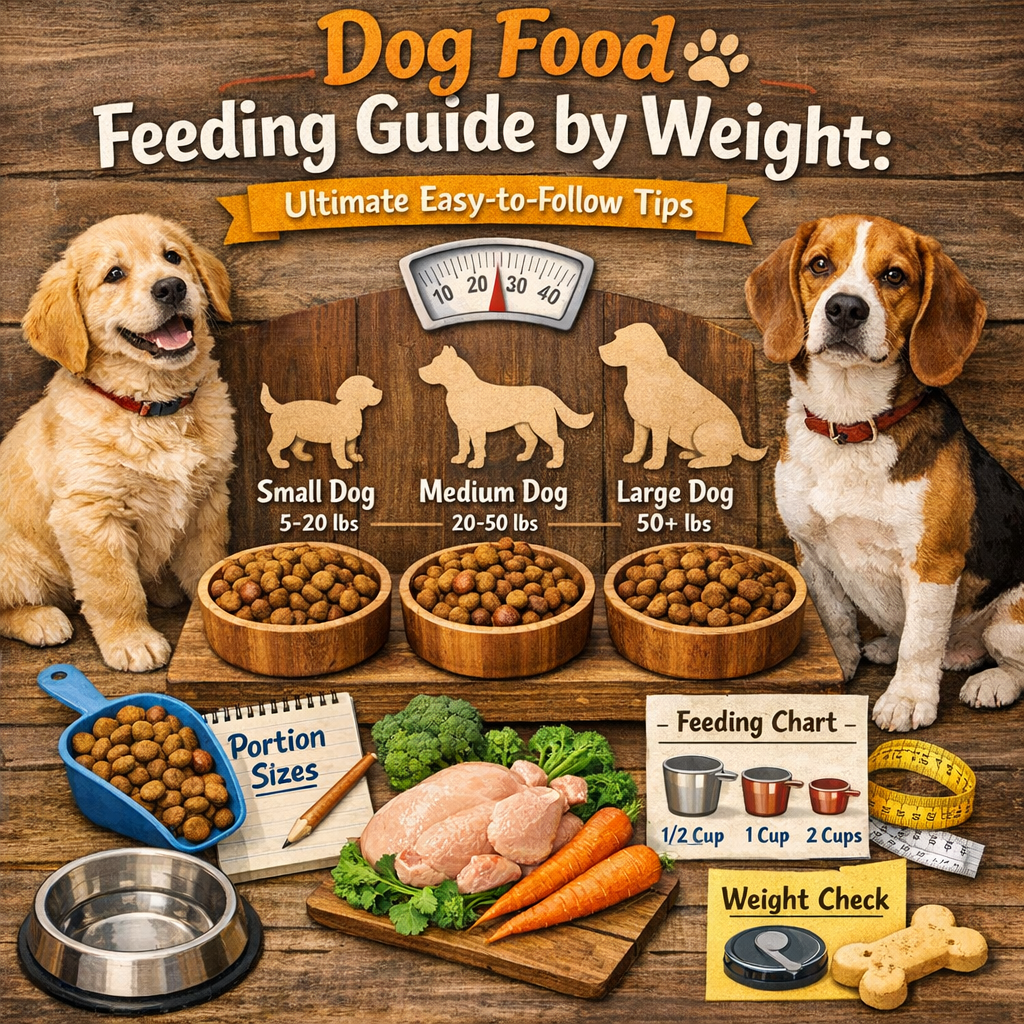
Every dog is different, and their dietary needs vary based on size, breed, age, and activity level. However, weight remains one of the most critical factors in determining the correct amount of food. Feeding too much can lead to obesity, joint problems, and other health issues, whereas underfeeding can cause malnutrition and lethargy. By focusing on your dog’s weight when measuring portions, you set a strong foundation for a balanced diet.
How Much Dog Food Should You Feed Based on Weight?
Most commercial dog food brands provide general feeding guidelines on their packaging, often categorized by weight ranges. These charts are an excellent starting point but remember they offer approximate amounts because every dog’s metabolism differs.
Here’s a rough breakdown of feeding amounts by dog weight:
| Dog Weight | Daily Food Amount (cups) |
|————|——————————-|
| 5-10 lbs | ½ to 1 cup |
| 10-20 lbs | 1 to 1 ½ cups |
| 20-40 lbs | 1 ½ to 2 ¼ cups |
| 40-60 lbs | 2 ¼ to 3 cups |
| 60-90 lbs | 3 to 4 cups |
| 90+ lbs | 4+ cups (depending on activity)|
Note: These amounts often refer to dry dog food and should be adjusted if feeding wet or mixed food types.
Factors Affecting Dog Food Quantity Beyond Weight
While weight is fundamental, it’s not the sole parameter you should consider. Here are additional factors influencing how much dog food your pet requires:
1. Age
Puppies need more calories to support growth, so their portions per pound of body weight will exceed those of adult dogs. Senior dogs may need fewer calories and specially formulated foods to accommodate slower metabolisms and joint health.
2. Activity Level
A highly active dog, such as a working or sporting breed, will demand more calories and thus more food. Conversely, a sedentary or indoor dog requires less.
3. Breed and Metabolism
Certain breeds have higher metabolisms (like Border Collies or Jack Russells) while others, such as Bulldogs or Dachshunds, may gain weight more easily. Therefore, breed-specific needs should also guide feeding amounts.
4. Health Condition
If your dog has medical conditions such as diabetes, kidney issues, or allergies, specialized diets and portion sizes might be required. Consult your veterinarian in such cases.
Tips for Feeding Dog Food by Weight Effectively
To keep feeding simple and accurate, follow these straightforward tips:
Use a Measuring Cup or Scale
Avoid guessing portion sizes. Invest in a dedicated dry food measuring cup or a kitchen scale. This ensures consistent feeding and helps you track exact consumption.
Split Meals into Two or More Servings
Instead of one big meal, divide the daily dog food amount into two or three meals. This supports better digestion and prevents begging behaviors.
Monitor Body Condition Regularly
Keep an eye on your dog’s waistline and overall body condition. You should be able to feel the ribs without pressing too hard but not see them visibly. Adjust food amounts accordingly based on weight changes.
Gradually Adjust Portions During Life Stage Changes
If your dog is growing, aging, or undergoing activity changes, change their dog food quantity slowly over 7 to 10 days to avoid digestive upset.
Maintain Fresh Water Availability
Always provide plenty of fresh water during and after feeding. Proper hydration complements balanced nutrition and overall health.
Signs Your Dog’s Food Amount Needs Adjustment
Sometimes, it’s not clear if your dog is receiving the right amount of food just by sticking to weight-based guidelines. Watch for these signs that you might need to review feeding portions:
– Sudden weight gain or obesity
– Persistent weight loss or low energy
– Excessive hunger or begging
– Visible ribs or spine
– Changes in stool quality or consistency
Conclusion: Mastering Dog Food Feeding by Weight
Feeding your dog appropriately based on their weight is a straightforward way to enhance their well-being and prevent nutrition-related setbacks. Remember that while the weight-focused feeding guide is vital, adjusting for age, activity, breed, and health is equally important. By measuring portions carefully, dividing meals, and monitoring your dog’s condition regularly, you can confidently provide just the right amount of dog food your furry friend needs to thrive.
With these easy-to-follow tips, you’ll ensure your dog enjoys a nutritious diet tailored perfectly to their size and lifestyle—because a well-fed dog is a happy, healthy companion!