Best Dog Leash for Training: Must-Have Dog Products for Success
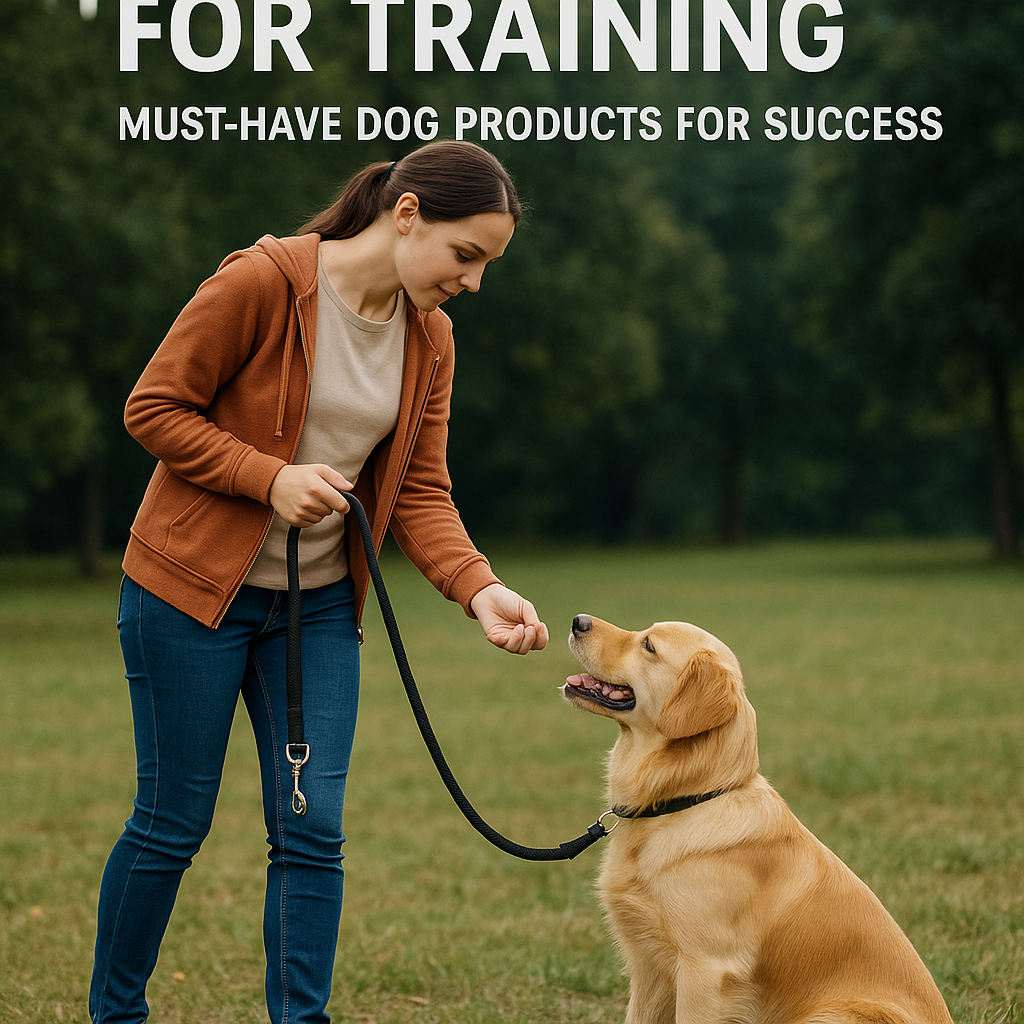
When it comes to effective dog training, having the right tools is just as important as patience and consistency. One essential item that can make a significant difference in your training regimen is the best dog leash for training. Choosing the right leash not only ensures better control over your dog but also enhances communication between you and your furry friend. Alongside this, incorporating the right dog products can boost your chances of successful training, making the experience enjoyable and productive for both you and your pet.
Why the Right Dog Leash Matters in Training
Training a dog involves teaching commands, managing behaviors, and reinforcing positive habits. The leash serves as the primary link between you and your dog during this process. A well-designed dog leash provides control without causing discomfort, helping prevent pulling, lunging, or wandering off. This is especially crucial when teaching obedience or addressing behavior issues.
When selecting a leash for training purposes, factors such as length, material, and design come into play. For instance, a 6-foot leash is often recommended for everyday training as it provides enough slack for movement but maintains close enough control. Retractable leashes, while tempting for giving dogs more freedom, often lack the control needed for effective training.
Key Features of the Best Dog Leash for Training
Durability and Strength
A sturdy leash made from high-quality materials like nylon or leather is ideal. Training sometimes requires firm corrections or quick responses, so you want a leash that can withstand pulling and tugging without breaking.
Comfortable Handle
A leash with a padded or ergonomic handle reduces hand fatigue and provides a secure grip, especially during more intense training sessions. Comfort here encourages longer training times, which can contribute to better outcomes.
Appropriate Length
The leash length influences the leash’s versatility. For training, 4 to 6 feet long leashes strike a good balance. Longer leashes provide some freedom while still letting you maintain control.
Reflective Elements
If your training sessions happen during early mornings or late evenings, reflective stitching or bright colors increase visibility, keeping both you and your dog safer.
Complementary Dog Products for Training Success
Alongside the best dog leash for training, several other dog products can support your training goals.
Harnesses
Harnesses distribute pressure more evenly than collars, making them more comfortable for dogs, especially those prone to pulling. They also provide better control without straining the dog’s neck.
Training Collars
Depending on your dog’s behavior and your training approach, you might consider training collars such as martingale collars, which tighten slightly if a dog pulls but avoid choking.
Treat Pouches and Training Treats
Positive reinforcement is key in dog training, and keeping training treats handy in a convenient pouch allows for quick rewards during sessions. High-value treats that your dog loves will increase their motivation to obey.
Clickers and Training Toys
Clicker training is a proven method for teaching commands effectively. Pairing a clicker with toys or puzzles that engage your dog mentally can make training both fun and productive.
Tips for Using the Best Dog Leash for Training Effectively
1. Maintain Consistency: Use the leash to practice commands consistently in different environments to reinforce good behavior.
2. Encourage Proper Leash Walking: Use the leash length to your advantage by gently correcting pulling and rewarding walking beside you.
3. Stay Patient and Positive: Training can take time. Use treats and verbal praise along with the leash to create positive associations.
4. Adapt the Leash to Your Dog’s Needs: Some dogs respond better to harnesses coupled with leashes, especially those prone to pulling or neck sensitivity.
5. Inspect Your Leash Regularly: For safety, check for signs of wear and tear. A damaged leash could compromise control during critical moments.
Final Thoughts on Choosing Dog Products for Training
Selecting the best dog leash for training is the foundation of a successful training journey. It allows you to guide your dog effectively, ensuring safety and clarity throughout sessions. When combined with complementary dog products like harnesses, treat pouches, and training aids, you set the stage for a well-rounded and effective training program. Remember, each dog is unique, so consider your pet’s personality, size, and specific needs when choosing training tools. With the right equipment and approach, training can become a rewarding bonding experience that strengthens your relationship with your canine companion.