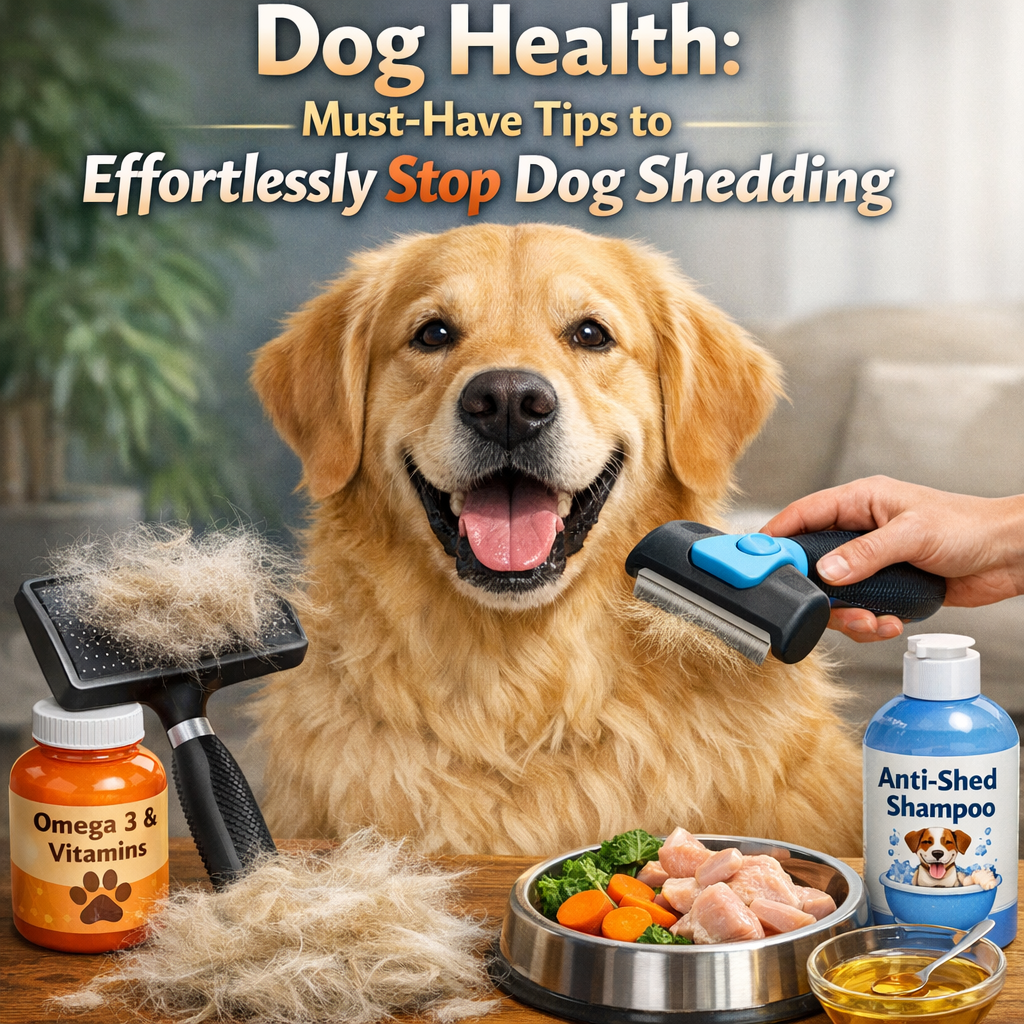
Dog Health: Must-Have Tips to Effortlessly Stop Dog Shedding
Shedding is a natural process for dogs, but excessive shedding can sometimes be a sign of underlying issues related to dog health. Every dog owner has at one point wished for a way to reduce the constant fluff floating around their home. Fortunately, managing your dog’s shedding doesn’t need to be a tedious chore. By understanding the reasons behind shedding and implementing a few simple habits, you can help your furry friend maintain a healthy coat and minimize those pesky loose hairs.
Understanding Shedding and Its Link to Dog Health
Shedding is the natural cycle where dogs lose old or damaged hair to make way for new growth. This process can be influenced by breed, season, diet, and overall health. For instance, double-coated breeds tend to shed heavily during spring and fall as they transition between winter and summer coats. However, excessive or irregular shedding sometimes signals problems like allergies, infections, hormonal imbalances, or poor nutrition – all of which impact dog health.
By focusing on nutrition, grooming, and regular vet check-ups, you can support your dog’s skin and coat health, reducing unnecessary shedding while ensuring their overall wellness.
Keep Your Dog’s Coat Healthy with Proper Nutrition
What your dog eats directly reflects on their coat condition. A balanced diet rich in essential fatty acids, vitamins, and minerals can dramatically improve the health of their skin and reduce hair fall. Omega-3 and Omega-6 fatty acids, commonly found in fish oil supplements, are particularly known to promote a shiny, strong coat while calming inflammation that causes irritation and shedding.
Protein is another critical component since hair is primarily made of keratin, a proteinaceous material. Ensuring your dog has high-quality protein sources like chicken, turkey, or lamb can support hair growth and minimize shedding.
Consistent Grooming is Key to Managing Shedding
One of the simplest strategies to control shedding starts with regular grooming. Brushing your dog daily or several times a week helps remove loose hairs before they scatter around your home. Moreover, grooming distributes natural oils produced by your dog’s skin, which enhances fur health and shine.
For short-haired dogs, a rubber grooming mitt or bristle brush usually works well. Long-haired breeds benefit from slicker brushes or undercoat rakes. Bathing also plays a vital role, but it’s essential not to overdo it—excessive bathing can strip natural oils and exacerbate drying and shedding. Use dog-specific, moisturizing shampoos designed for sensitive skin.
Supplements and Hydration: Boost Your Dog’s Coat Health
In addition to diet and grooming, supplements and hydration can support your dog’s coat. Many commercial supplements now offer blends of biotin, zinc, and other skin-boosting nutrients to help fight shedding. Always consult your veterinarian before starting supplements to ensure safety and proper dosing.
Never underestimate the power of water. Proper hydration maintains skin elasticity and prevents dryness, reducing flakiness and hair loss. Always keep fresh water available for your dog, especially during warmer months or after exercise.
Minimize Stress and Environmental Triggers
Stress can have a tangible impact on dog health, including fur condition and shedding. Changes in environment, new pets, loud noises, or separation anxiety can trigger shedding flare-ups. Providing a calm, stable environment and plenty of mental stimulation can lessen stress-induced shedding.
Environmental factors such as allergens, fleas, and dry air also contribute to hair loss. Regularly check for parasites and consider using humidifiers during dry seasons to maintain skin moisture.
When to See a Veterinarian About Excessive Shedding
While shedding is normal, excessive or patchy hair loss should never be ignored. If your dog’s fur thinning is severe, accompanied by redness, itchiness, sores, or behavior changes, it’s time to visit a vet. Conditions like hypothyroidism, mange, or fungal infections require professional diagnosis and treatment.
Routine veterinary visits also allow for early detection of health problems that may affect the coat. Your vet can recommend tailored treatments or prescribe medicated shampoos if needed.
Final Thoughts: Consistent Care for Optimal Dog Health
Taking a proactive, well-rounded approach is key to managing shedding effortlessly. By paying attention to your dog’s diet, hydration, grooming, and environmental comfort, you can significantly reduce loose fur around the house. Most importantly, regular vet check-ups ensure any dog health issues are tackled early before they affect your dog’s coat and quality of life.
Keeping your furry friend comfortable and glossy-coated benefits both of you—a happy dog means a happier home, free from constant shedding hassles! With these must-have tips in place, you’ll be well on your way to effortlessly controlling your dog’s shedding and promoting their overall wellness.