Dog Health: 7 Must-Have Signs Your Dog Is Sick and Needs Help
When it comes to dog health, being attentive to your pet’s behavior and physical condition is crucial. Dogs, like humans, cannot always express when something is wrong, so it’s up to owners to recognize the subtle and obvious signs that indicate illness. Early detection of sickness can make a significant difference in the outcome of treatment and overall wellbeing of your furry friend. Below are seven must-have signs to watch for that suggest your dog may be sick and in need of veterinary care.
1. Changes in Appetite and Drinking Habits
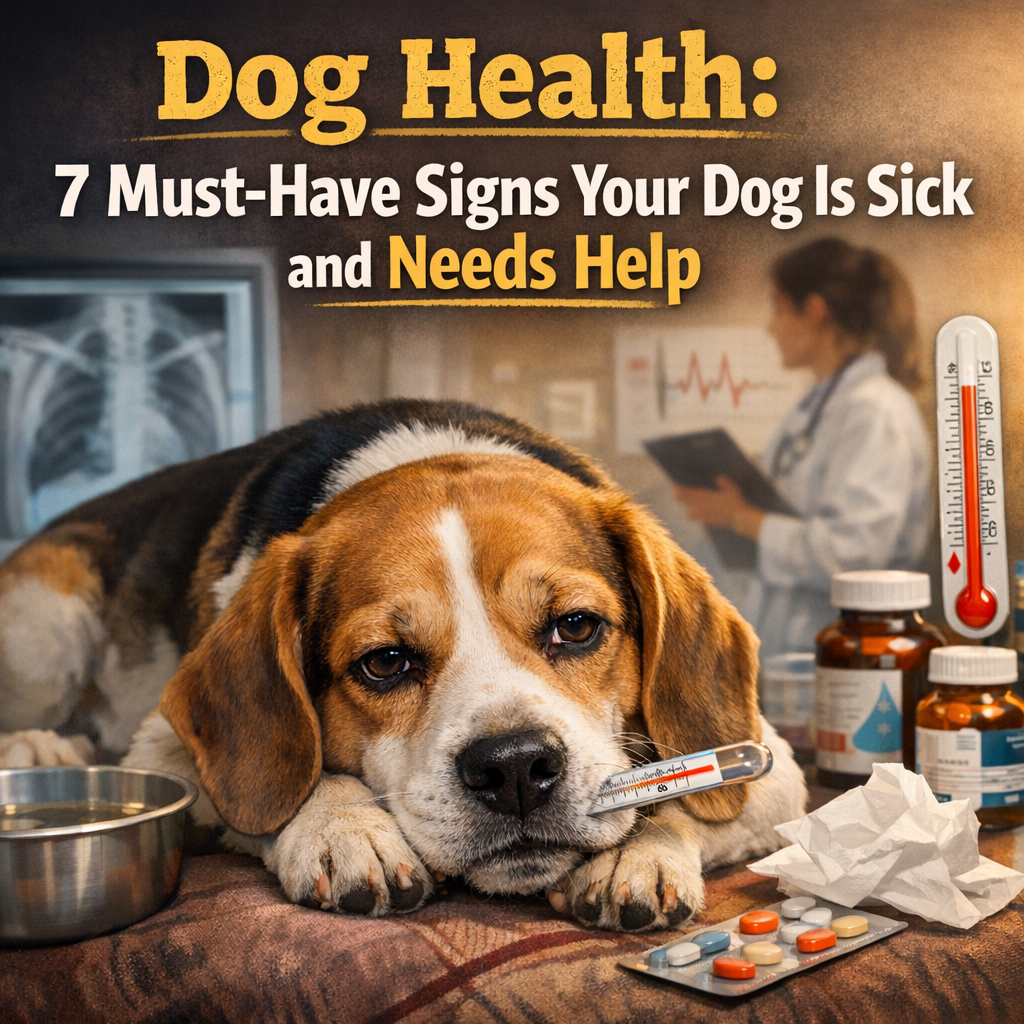
One of the most common indicators of an underlying health issue is a sudden change in eating or drinking patterns. If your dog suddenly loses interest in food or refuses to eat their favorite treats, it could be a sign of nausea, dental problems, or internal illness. Conversely, excessive thirst or refusal to drink water can signal conditions such as diabetes or kidney disease. Monitoring any changes in appetite or hydration is essential in maintaining optimal dog health.
2. Lethargy and Unusual Fatigue
Dogs who are normally active and playful but begin to exhibit unusual tiredness or reluctance to move might be battling an illness. Lethargy is a broad symptom that can point to infections, heart problems, or anemia. While all dogs have off days, prolonged periods of inactivity or weakness warrant a prompt check-up with a veterinarian to rule out serious health concerns.
3. Persistent Vomiting or Diarrhea
Digestive issues are notorious in signaling that something is wrong with your dog’s health. Occasional vomiting or soft stools might be harmless, but persistent vomiting or diarrhea can lead to dehydration and indicate infections, blockages, or other gastrointestinal disorders. Pay close attention if you notice blood in vomit or stool, as this requires immediate medical attention.
4. Coughing, Sneezing, or Difficulty Breathing
Respiratory symptoms such as coughing, sneezing, or labored breathing are often overlooked but could signal serious ailments ranging from kennel cough to heart disease or pneumonia. If your dog’s cough is persistent or they exhibit a bluish tongue or gums, this is a medical emergency. Early diagnosis of respiratory issues is key in dog health management.
5. Abnormal Behavior and Cognitive Changes
Dogs suffering from pain or illness may act differently than usual. This can include increased irritability, excessive barking, hiding, or decreased social interaction. Cognitive dysfunction, similar to dementia in humans, can also manifest in older dogs as confusion or disorientation. Noticing shifts in your dog’s personality or behavior can be a vital sign that they need professional evaluation.
6. Noticeable Weight Loss or Gain
Unexpected weight changes, either loss or gain, are significant indicators of underlying issues. Weight loss can be caused by parasites, diabetes, or cancer, while weight gain may result from hormonal imbalances like hypothyroidism or lifestyle changes. Regular weighing and monitoring your dog help detect these changes early and keep their health in check.
7. Skin, Coat, and Ear Issues
The condition of your dog’s skin and coat is a good barometer of overall health. Itchy skin, excessive scratching, bald patches, or flaky, dry skin can be signs of allergies, infections, or parasites such as fleas and ticks. Ear infections are also common and can cause redness, foul odor, or discharge. Prompt treatment of skin and ear problems prevents infection and discomfort for your dog.
—
Maintaining Optimal Dog Health
Recognizing these seven must-have signs that your dog is sick and needs help is the first step in safeguarding your companion’s wellbeing. Regular veterinary check-ups, balanced nutrition, adequate exercise, and keen observation at home are the cornerstones of effective dog health care. Always trust your instincts as a pet owner—if something seems off, don’t hesitate to seek professional advice.
By staying proactive, you not only improve your dog’s quality of life but may also extend their precious time with you. Remember, pets rely on their humans to be their voice when they cannot speak for themselves. Act quickly, and your dog will thank you with many happy, healthy years ahead.