Dog Food Feeding Guide by Weight: Exclusive Must-Have Tips
When it comes to the health and well-being of your furry friend, one of the most important factors is providing the right amount of dog food. Feeding your dog appropriately based on their weight helps maintain optimal health, supports energy levels, and prevents common issues like obesity or malnutrition. Whether you have a tiny Chihuahua or a massive Great Dane, understanding how much to feed your dog according to their weight is crucial for their long-term happiness and vitality.
In this guide, we’ll explore essential tips and expert advice on dog food feeding based on weight, helping you make informed decisions about your pet’s diet.
Why Weight Matters in Dog Food Feeding
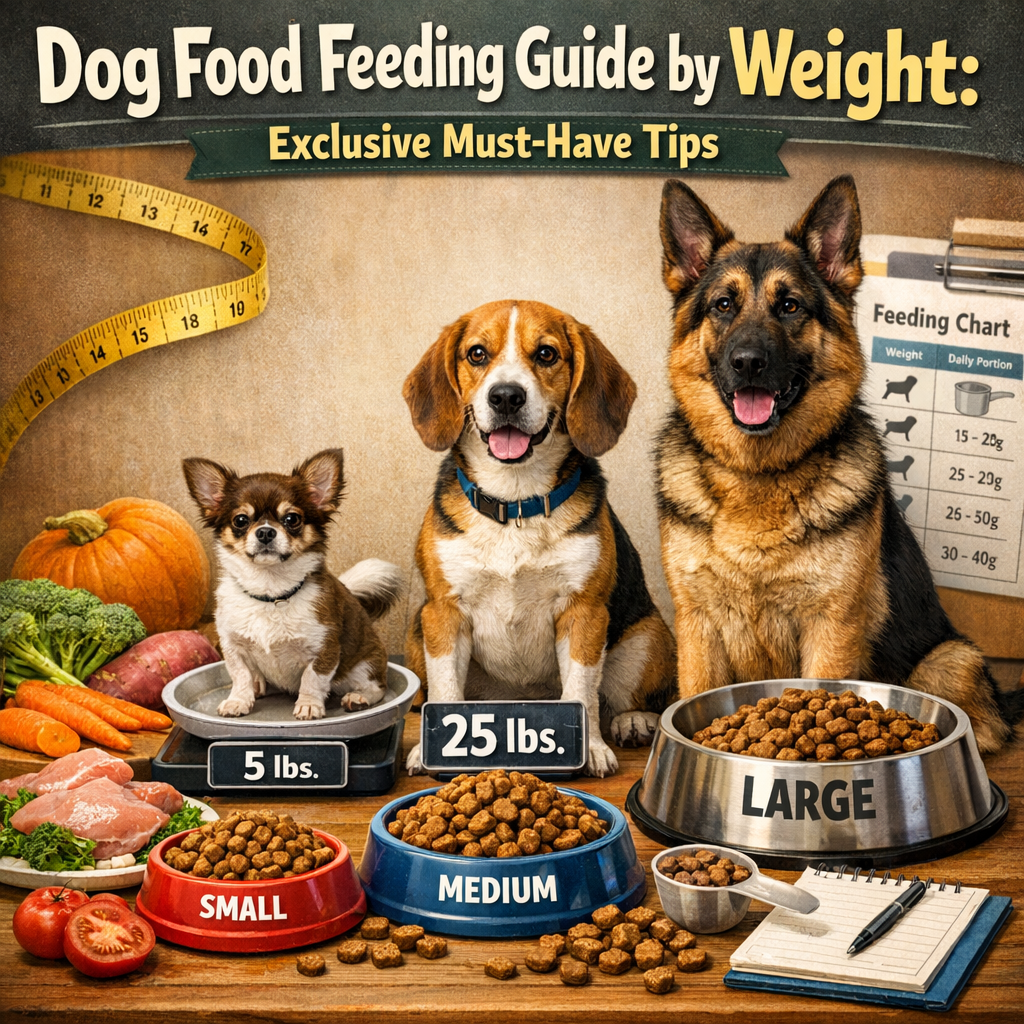
The amount of dog food your pet requires isn’t a one-size-fits-all formula. Dogs come in various sizes, breeds, activity levels, and ages, all of which influence their dietary needs. Weight is one of the most reliable indicators when determining portion sizes because it directly correlates with your dog’s metabolism and energy expenditure.
Smaller dogs, with faster metabolisms, typically need more calories per pound of body weight than larger dogs. Conversely, large breed dogs require a balanced intake to sustain their massive muscle and energy demands without causing unnecessary fat gain. Feeding the right amount enhances digestion and overall health, avoiding complications such as joint problems or diabetes caused by improper nutrition.
How to Calculate Dog Food Serving Sizes by Weight
Before selecting the proper amount of dog food, check your pet’s current weight and consult the feeding instructions on your chosen dog food brand. Most dog food manufacturers provide feeding charts based on weight ranges. However, these are general guidelines that must be adjusted according to your dog’s unique needs.
Step 1: Determine Your Dog’s Ideal Weight
If your dog is overweight or underweight, aim to feed based on their ideal weight rather than their current weight. Veterinarians can assist in diagnosing the ideal healthy weight for your pet.
Step 2: Use the Feeding Chart as a Starting Point
Refer to the dog food packaging or brand website for a feeding guide. This usually states portions in cups or grams per day, grouped by weight categories (e.g., 10-20 lbs, 20-40 lbs).
Step 3: Adjust Based on Activity Level and Age
Puppies, active dogs, and working breeds generally need more calories. Older or less active dogs require fewer calories to prevent weight gain.
Exclusive Must-Have Tips for Feeding Your Dog Food
1. Measure Food Accurately
Invest in a digital kitchen scale or use a standardized measuring cup designed for pet food to dispense precise portions. Overfeeding by even a small amount daily can lead to unwanted weight gain over time.
2. Split Meals Throughout the Day
Instead of feeding one large meal, divide dog food into two or three portions daily. Regular feeding intervals help maintain blood sugar levels, prevent begging behavior, and improve digestion.
3. Choose Quality over Quantity
Select nutrient-rich dog food with high-quality protein, healthy fats, and essential vitamins. Feeding less of a premium diet is often better than overfeeding lower-quality formulas, leading to better absorption and energy.
4. Monitor Weight and Adjust Accordingly
Weigh your dog monthly and observe physical condition and energy level. If your dog gains or loses weight unexpectedly, adjust the food quantity or consult your vet for tailored guidance.
5. Consider Special Dietary Needs
Certain breeds or health conditions require specialized diets. For example, large breed puppies benefit from food formulated to support bone growth, while dogs with food sensitivities may need limited ingredient diets.
6. Avoid Human Food Snacks
Human treats can quickly add excess calories and may interfere with balanced nutrition. Stick to approved dog treats in moderation and factor them into your daily feeding amounts.
Sample Guide: Dog Food by Weight
| Dog’s Weight (lbs) | Daily Dog Food Intake (cups) | Feeding Frequency |
|———————|——————————|————————|
| 5 – 10 | 0.5 – 1 | 2-3 times a day |
| 10 – 25 | 1 – 2 | 2 times a day |
| 25 – 50 | 2 – 3.5 | 2 times a day |
| 50 – 100 | 3.5 – 6 | 2 times a day |
| 100+ | 6+ | 2 times a day |
Note: Always adjust based on breed, age, and activity levels.
Conclusion
Properly feeding your dog food by weight is a foundational aspect of responsible pet ownership. By understanding the relationship between your pet’s weight and dietary requirements, you can ensure a balanced diet that promotes health, longevity, and happiness. Remember to regularly monitor your dog’s condition, avoid overfeeding, and consult your veterinarian for any specific nutritional concerns. With these exclusive must-have tips, you’re well on your way to providing the best care for your beloved canine companion.