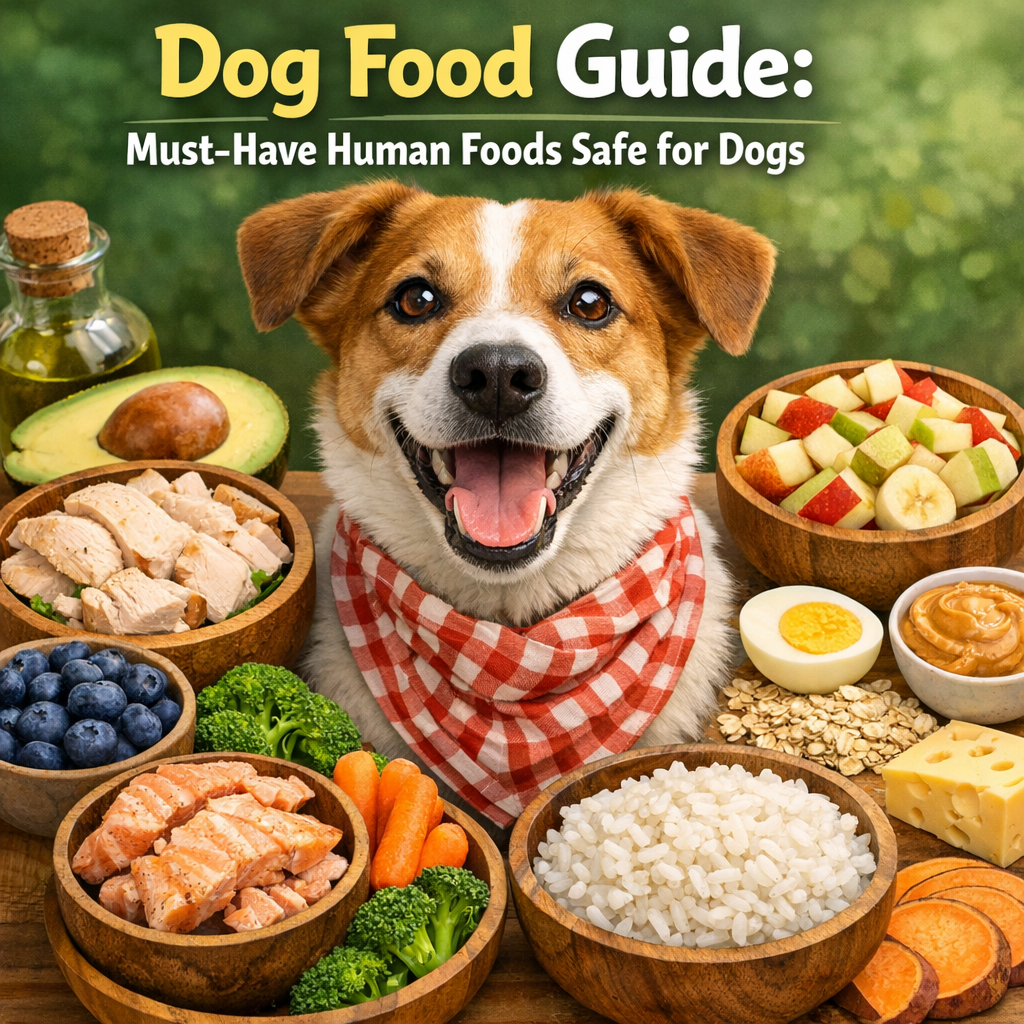
Dog Food Guide: Must-Have Human Foods Safe for Dogs
When it comes to providing the best diet for your furry friend, understanding what constitutes safe and nutritious dog food is essential. While commercial dog food offers a balanced diet, many pet owners are curious about incorporating human foods into their dogs’ meals. This dog food guide will walk you through a list of must-have human foods that are safe for dogs, highlighting their benefits and how to introduce them in a way that keeps your pet happy and healthy.
Why Include Human Foods in Your Dog’s Diet?
Adding human foods to your dog’s diet can be an excellent way to supplement nutrients, introduce new flavors, and provide variety. Dogs, much like people, can benefit from a diet rich in vitamins, minerals, and antioxidants. However, it’s important to remember that not all human foods are safe for dogs—some can be harmful or even toxic. Using this guide, you can confidently select healthy options that complement your dog’s regular dog food.
Must-Have Human Foods Safe for Dogs
1. Carrots
Carrots are a fantastic crunchy treat that many dogs love. They are low in calories and high in fiber and beta-carotene, which the body converts into vitamin A. Carrots promote dental health by acting as natural toothbrushes and are great for dogs who need to lose or maintain weight.
2. Pumpkin
Pumpkin is another must-have in your dog’s diet. It aids digestion and helps regulate bowel movements due to its high fiber content. Plus, it contains potassium and vitamins A, C, and E, which support overall health. You can add plain canned pumpkin (not pumpkin pie filling) to your dog food for a nutritious boost.
3. Apples
Apples provide a good source of vitamins A and C, as well as fiber. They can freshen your dog’s breath and satisfy their sweet tooth. When feeding apples, remember to remove the seeds and core, as these can be harmful.
4. Peanut Butter
Most dogs adore peanut butter, making it an easy go-to treat. It is a great source of protein, healthy fats, and vitamins B and E. Ensure you choose natural peanut butter without added sugar, salt, or xylitol, which is toxic to dogs.
5. Chicken
Chicken is a lean protein that provides essential amino acids that help maintain muscle mass and vitality. It is often included in many commercial dog foods but can also be shared fresh or cooked at home. Be sure to remove all bones and avoid seasoning.
6. Sweet Potatoes
Sweet potatoes are a nutrient-rich food loaded with vitamins A, C, and B6, as well as dietary fiber. They can support your dog’s immune system and help regulate blood sugar levels. You can prepare them by baking or boiling, making sure they are plain and free from added salts or spices.
7. Green Beans
Green beans are low in calories and high in fiber, making them excellent for dogs needing to shed some weight or maintain a healthy digestive system. They also provide vitamin K, vitamin C, and manganese. Fresh or steamed green beans are best—avoid canned versions with added salt.
8. Blueberries
Blueberries are known for their antioxidant properties and can support brain health and fight inflammation. These bite-sized fruits are perfect as treats or mixed into your dog’s regular dog food.
9. Oatmeal
Oatmeal is a wholesome grain that can improve digestion, especially for dogs with wheat allergies. It contains soluble fiber, which is good for regulating bowel movements. Cooked plain oatmeal (without sugar or flavorings) can be a nutritious addition to your dog’s meals.
How to Introduce Human Foods Safely
When adding any human food to your dog food routine, it’s important to start small. Introduce new foods gradually to monitor for any adverse reactions such as allergic responses or digestive upset. Consult your veterinarian to ensure the variety and quantity you choose align with your dog’s health needs, age, and activity level.
Avoid feeding dogs harmful human foods such as chocolate, onions, garlic, grapes, raisins, avocados, and foods containing artificial sweeteners. Sudden changes or feeding inappropriate foods can lead to serious health issues.
Balancing Human Foods with Commercial Dog Food
While incorporating human foods can be beneficial, they should complement—not replace—a complete and balanced dog food. Commercial dry or wet dog food is formulated to deliver all the essential nutrients your pet requires. Human foods serve best as supplements or treats in moderation.
For dogs with specific health conditions or dietary restrictions, always consult your veterinarian before making substantial changes to their diet. Your vet can also recommend nutritious human food options that fit your dog’s unique needs.
Conclusion
Integrating safe, nutritious human foods into your dog food regimen can enhance your pet’s diet, making mealtime more enjoyable and healthy. Carrots, pumpkin, apples, and lean proteins like chicken offer wholesome benefits without risk when prepared properly. Always introduce new foods cautiously and consult your vet for tailored advice.
By following this guide, you’re well on your way to providing a varied and balanced diet for your beloved dog—one that includes the best of both worlds: quality dog food and safe human foods. Your canine companion will thank you with wagging tails and joyful health!