Puppy Care: Must-Have Vaccination Schedule Guide for Healthy Pets
When it comes to puppy care, one of the most critical aspects to ensure your new furry friend grows up healthy and happy is following a proper vaccination schedule. Vaccinations protect puppies from a range of serious and potentially fatal diseases. Understanding when to vaccinate and which vaccines are essential can make a world of difference in your puppy’s wellbeing. In this article, we’ll walk you through a comprehensive vaccination guide and offer tips on how to keep your puppy safe during the crucial early months.
Why Vaccinations Are Essential in Puppy Care
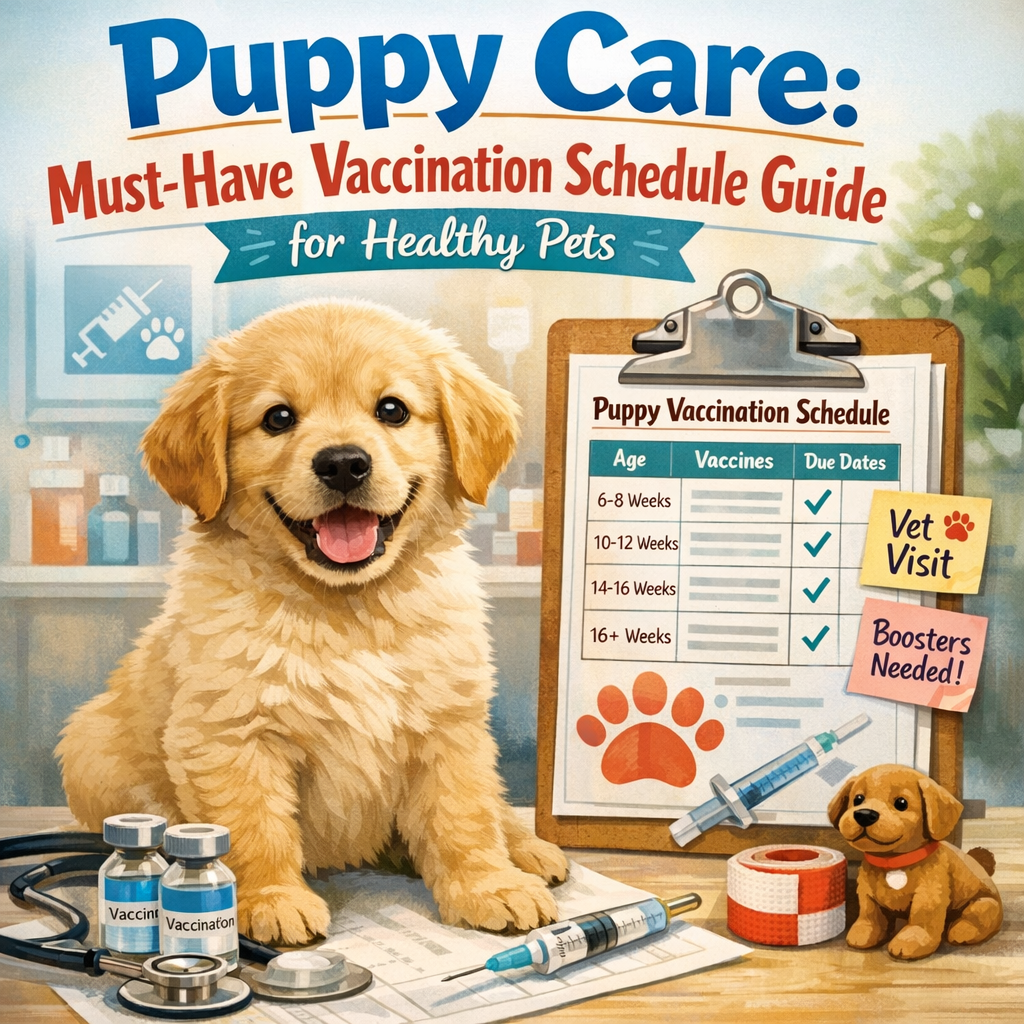
Vaccinations are a cornerstone of preventative health in puppy care. Young puppies are especially vulnerable to infectious diseases because their immune systems are still developing. Core vaccines shield them from illnesses such as parvovirus, distemper, hepatitis, and rabies—diseases that can be life-threatening or cause long-term health issues.
Besides safeguarding your puppy, vaccinations also help prevent the spread of contagious diseases to other dogs and even humans in some cases. Following the recommended vaccination schedule not only prioritizes your puppy’s health but also contributes to community-wide disease control.
Understanding the Puppy Vaccination Schedule
A typical vaccination schedule starts when puppies are around 6-8 weeks old. At this stage, the maternal antibodies they received from their mother begin to wane, leaving them vulnerable to infections. Here’s a breakdown of the common vaccines and when they should be administered:
6-8 Weeks: First Round of Core Vaccines
At this early age, puppies usually receive their first dose of the combination vaccine known as the DHPP vaccine. This protects against:
– Distemper: A highly contagious viral disease affecting the respiratory, gastrointestinal, and nervous systems.
– Hepatitis (Adenovirus): Causes liver infections and can be fatal.
– Parvovirus: A severe intestinal virus that leads to vomiting, diarrhea, and dehydration.
– Parainfluenza: A contagious respiratory virus.
Your veterinarian may also recommend deworming during this visit, as intestinal parasites often take hold early.
10-12 Weeks: Booster Shots and Additional Vaccines
The second round of DHPP booster is administered to reinforce immunity. Some puppies may also receive the Bordetella vaccine at this time, which protects against kennel cough—a common respiratory infection, especially if your puppy will be in group settings like kennels or daycare.
14-16 Weeks: Third Set of Core Vaccines and Rabies
This visit is crucial as it usually includes:
– The final booster for DHPP to complete the core vaccine series.
– The Rabies vaccine, often required by law. Rabies is a deadly virus transmissible to humans, so vaccination is vital for both pet and public health.
12-16 Months: One-Year Booster
A year after the initial puppy series, most dogs receive a booster to maintain immunity. Depending on your vet’s advice and local regulations, this may include additional vaccines and another rabies shot.
Optional Vaccines Based on Lifestyle and Region
While core vaccines are essential, some puppies may benefit from additional vaccines depending on their lifestyle and geographic location. These include:
– Leptospirosis: Protects against a bacterial infection transmitted through contaminated water or soil.
– Lyme disease: Recommended if you live in or visit regions with high tick activity.
– Coronavirus: Different from COVID-19, this affects the gastrointestinal system, though it’s less commonly vaccinated against.
Discuss with your veterinarian which optional vaccines may be appropriate for your puppy.
Tips for Effective Puppy Care During Vaccination
Vaccination is only one part of comprehensive puppy care. Here are some tips to help your puppy stay healthy throughout the vaccination period:
– Maintain a clean environment: Keep your puppy’s living area sanitized to reduce infection risks.
– Limit exposure to unknown dogs: Until the vaccine series is complete, avoid parks or other public dog areas.
– Monitor for side effects: Mild side effects like soreness or mild lethargy are normal, but seek veterinary advice if your puppy shows severe reactions such as difficulty breathing or swelling.
– Regular vet check-ups: Keep up with your veterinarian’s recommendations for parasite control, diet, and general health.
Final Thoughts on Puppy Care and Vaccination
Taking care of a puppy is a rewarding but demanding responsibility, and following the proper vaccination schedule is one of the best investments you can make in your pet’s future. By protecting your puppy against harmful diseases through timely vaccinations, you help ensure a longer, healthier life filled with joy and companionship.
Always collaborate closely with your veterinarian to tailor a vaccination plan that fits your puppy’s specific needs. Remember, every puppy is unique, and attentive care during these early months sets the foundation for a thriving adult dog.
By putting puppy care and vaccination priorities first, you’re not just protecting a pet—you’re safeguarding a precious new member of your family.