Puppy Care: Must-Have Tips to Potty Train a Puppy Fast
When it comes to puppy care, one of the most critical and sometimes daunting tasks for new pet owners is potty training. Puppies are adorable bundles of energy and affection, but teaching them where and when to go to the bathroom requires patience, consistency, and the right approach. Potty training not only helps keep your home clean but also sets the foundation for good behavior throughout your puppy’s life. If you want to learn how to potty train your puppy fast while ensuring their comfort and happiness, you’re in the right place.
Understanding the Basics of Puppy Care for Potty Training
Before diving into the practical tips, it’s important to understand why puppies need time to learn proper potty habits. Puppies are like babies in many ways — they have limited bladder control and need frequent bathroom breaks. Moreover, they learn through routine and positive reinforcement. The early weeks of bringing a puppy home are crucial to establish boundaries and communicate expectations clearly.
Proper puppy care involves recognizing the signs when your puppy needs to go outside. Common cues include sniffing around, circling, whining, or heading towards the door. Being attuned to these behaviors helps you act quickly and prevent accidents inside.
Establish a Consistent Routine
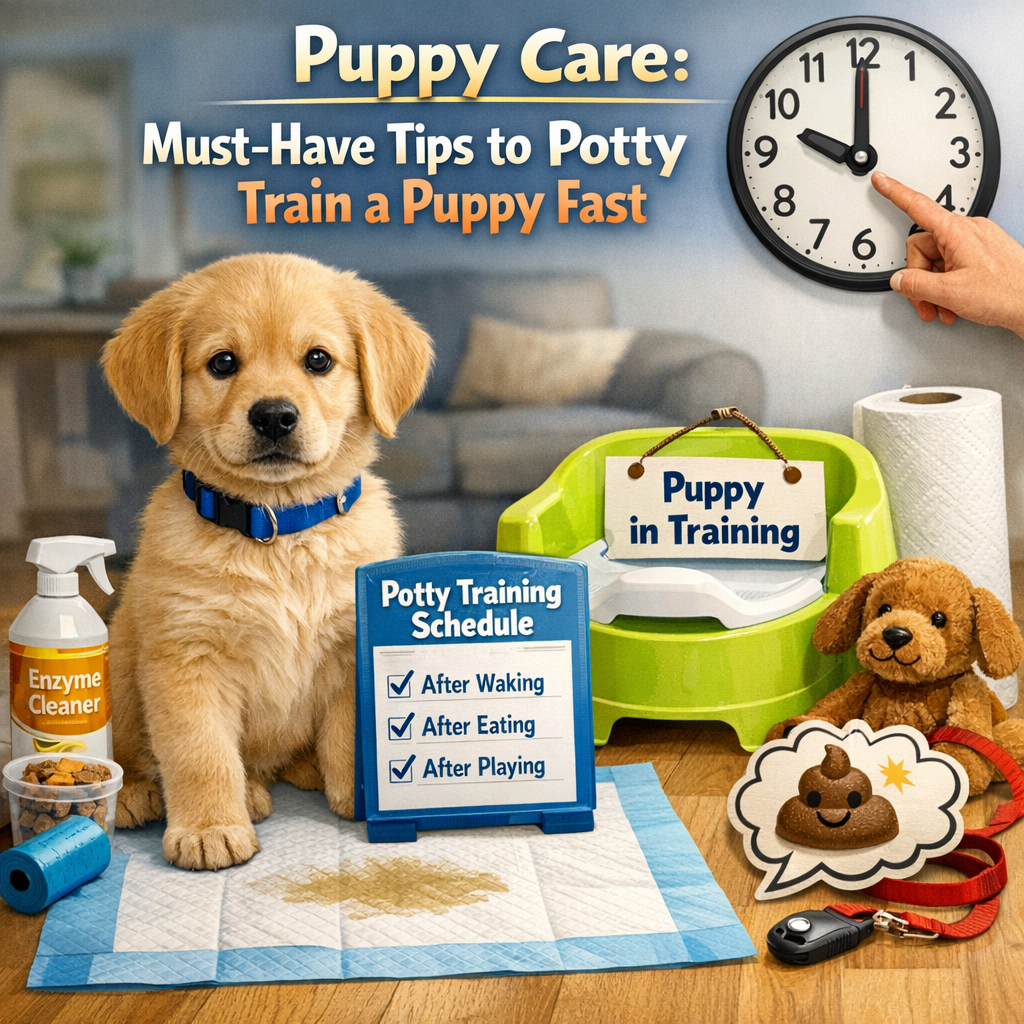
One of the most effective ways to potty train a puppy fast is to set a consistent daily schedule. Puppies thrive on routine, and a predictable potty schedule helps them understand when and where it’s appropriate to eliminate. Take your puppy outside:
– First thing in the morning
– After meals or snacks
– After playtime or naps
– Before bedtime
– Every 1-2 hours for very young puppies
Consistency turns potty breaks into a habit for your puppy. Use the same door and take them to the same spot outdoors, where their scent will encourage them to eliminate again.
Use Positive Reinforcement Techniques
Puppy care experts agree that rewarding your puppy immediately after they’ve gone potty outdoors is one of the fastest ways to reinforce good behavior. Positive reinforcement can include treats, praise, or affection — whatever your puppy responds to best. Be sure to reward right after the behavior, not before, so they connect the treat with the correct action.
Avoid punishment or reprimanding accidents inside, as this can create fear and confusion. Instead, calmly clean up and focus on reinforcing going outside the next time.
Choose the Right Potty Area and Supplies
Select a specific spot outside where you want your puppy to relieve themselves. This location should be quiet and free from distractions. If you live in an apartment or have limited outdoor access, consider using puppy potty pads or an indoor dog potty system while transitioning to outdoor training.
Also, having the right supplies at hand, such as a leash for controlled outings and enzymatic cleaners for accidents, supports your potty training efforts. Enzymatic cleaners help neutralize odors that might otherwise attract your puppy back to the same accident spot.
Supervise Your Puppy and Manage Their Environment
Closely supervising your puppy is another key element in successful potty training and overall puppy care. When you’re home, keep your puppy within sight to catch early signs of needing to go. If you can’t supervise, use a crate sized appropriately for your puppy. Crate training leverages your puppy’s natural instinct to avoid soiling their sleeping area and helps build bladder control.
Make sure the crate is cozy, with enough room to stand and turn but not too big to encourage elimination in a corner. Never use the crate as punishment, and slowly increase crate time so your puppy feels safe rather than confined.
Be Patient and Adjust Expectations
Potty training is a process that can take several weeks to a few months, depending on your puppy’s age, breed, and temperament. Puppies have small bladders and limited control early on, so accidents are inevitable. Treat these moments as learning opportunities rather than setbacks.
If you stay consistent with your schedule, supervision, and rewards, your puppy will learn faster than you might expect. Remember, each puppy is unique — some may pick up the routine quickly, while others may need extra time and encouragement.
When to Seek Professional Help
If you’ve tried multiple training methods and your puppy still struggles with potty training after a reasonable period, it might be time to consult a professional. Veterinarians can rule out medical causes such as urinary tract infections, while professional dog trainers can offer personalized strategies and support.
Final Thoughts on Puppy Care and Potty Training
Potty training is a fundamental part of puppy care that sets the stage for a harmonious relationship between you and your furry friend. By establishing a clear routine, using positive reinforcement, supervising diligently, and maintaining patience, you can potty train your puppy efficiently and with minimal stress.
Remember, your puppy looks to you for guidance and comfort during this learning phase. A loving and structured approach not only speeds up potty training but also strengthens the bond you share, ensuring many happy years ahead.