Dog Training Basics: Must-Have Commands for Effortless Obedience
Dog training is an essential part of building a strong, healthy relationship with your furry friend. Whether you’re a new dog owner or looking to reinforce good behavior, mastering key commands is the foundation for effective communication and effortless obedience. With consistent training, patience, and understanding, you can ensure your dog not only listens but also enjoys learning new skills that will make life easier and more enjoyable for both of you.
In this article, we’ll explore the must-have commands that every dog should know, why they are important, and how to teach them effectively. These basics form the cornerstone of any dog training routine and are crucial for safety, socialization, and day-to-day harmony.
Why Dog Training Matters
Before diving into specific commands, it’s important to understand the bigger picture of dog training. Training is not only about control — it’s about communication. Dogs naturally want to please their owners and thrive on clear expectations. Without proper training, a well-meaning dog can develop habits that might be challenging or even dangerous.
Good dog training helps:
– Establish boundaries and safety
– Boost your dog’s confidence
– Strengthen the human-animal bond
– Prevent problem behaviors like jumping, biting, or excessive barking
– Make everyday activities more enjoyable, like walks and visits to the vet
Starting with simple, foundational commands will set the stage for advanced training and more complex behaviors down the road.
Essential Commands for Dog Training
1. Sit
The “sit” command is often the first one taught in dog training, and for good reason. It’s a natural position that helps calm your dog and gain their attention quickly. Teaching your dog to sit on cue is useful in many situations — before crossing a street, greeting a new person, or during feeding time.
How to teach “sit”:
Hold a treat close to your dog’s nose, then slowly move it upward and back over their head. As their head follows the treat, their bottom will naturally lower into a sitting position. As soon as they sit, reward with the treat and praise. Repeat several times daily.
2. Stay
The “stay” command builds patience and control. Once your dog can sit reliably, teaching them to stay in place will prevent them from running into unsafe situations or interrupting social settings.
How to teach “stay”:
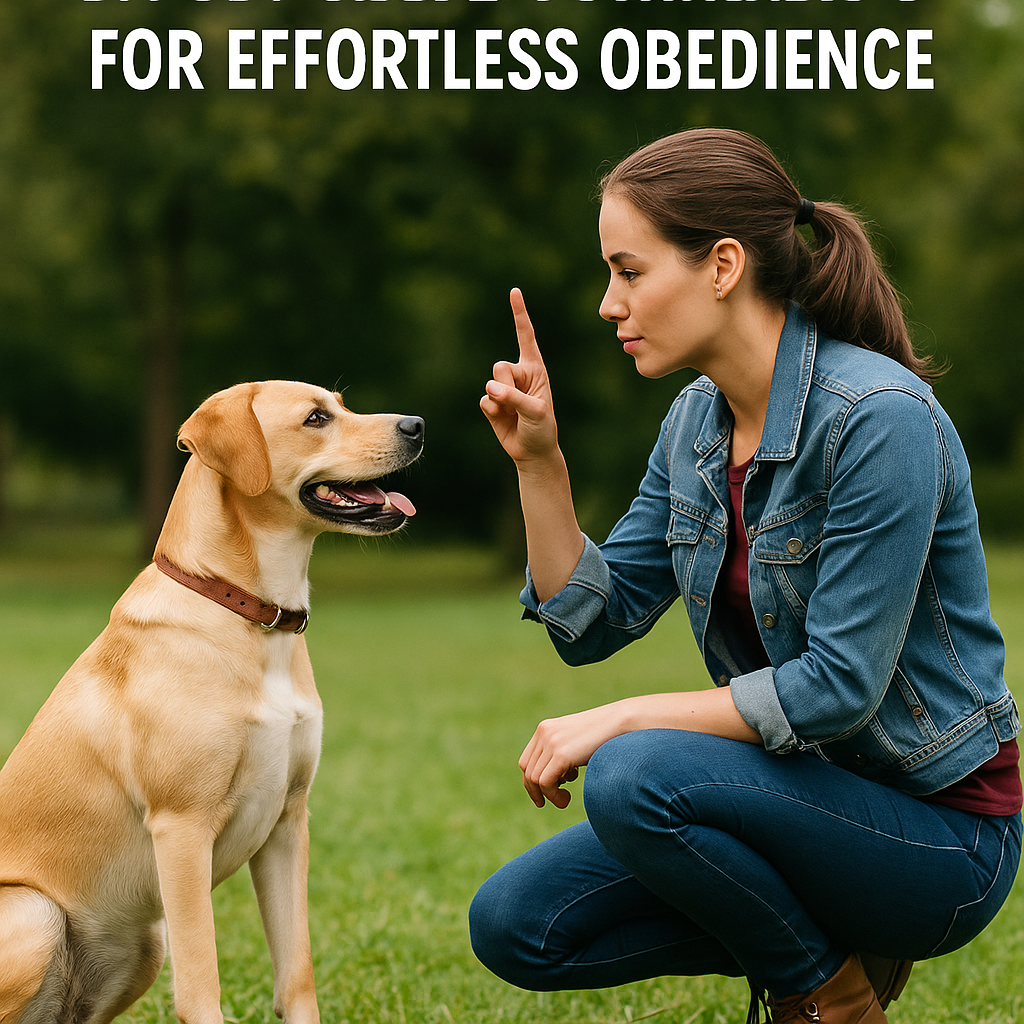
Ask your dog to sit, show the palm of your hand in front of you like a stop sign, and say “stay.” Take a step back before immediately returning and rewarding if they remain still. Gradually increase the duration and distance over time.
3. Come
The “come” command is critical for your dog’s safety. Whether off-leash at a park or escaping from a hazardous situation, a strong recall ensures they return promptly and reliably.
How to teach “come”:
Start on a leash or in a secure area. Kneel down and enthusiastically call your dog’s name followed by “come.” When they approach you, reward them lavishly with praise, treats, or a favorite toy. Practice regularly, varying the distance and distractions.
4. Down
The “down” command helps promote calm behavior and control. It can be particularly useful if you want your dog to relax in a specific spot, preventing them from jumping or becoming overly excited.
How to teach “down”:
From a sitting position, hold a treat close to your dog’s nose and slowly lower it to the floor. Encourage your dog to follow by moving the treat forward between their front legs. Once they lie down, reward immediately and add the verbal cue “down.”
5. Leave It
Teaching your dog “leave it” is vital for preventing them from picking up harmful or unwanted items during walks or at home. This command promotes impulse control and helps keep your dog safe from choking hazards or toxic substances.
How to teach “leave it”:
Hold a treat in one hand and close your fist. Present your hand to the dog and say “leave it.” Wait until your dog stops trying to get the treat and looks away or at you. Release a different treat from your other hand as a reward. Repeat until your dog understands.
Tips for Successful Dog Training
– Consistency is Key: Use the same words and gestures for commands every time.
– Keep Sessions Short and Positive: Dogs have short attention spans; 5-10 minute sessions multiple times per day work best.
– Use Positive Reinforcement: Reward-based training with treats, praise, and affection encourages your dog to repeat good behavior.
– Be Patient and Calm: Avoid frustration—dogs respond best to gentle guidance.
– Practice in Various Environments: Train your dog in different places to generalize commands.
Conclusion
Mastering these fundamental commands through dog training will make your daily life smoother and safer. Sit, stay, come, down, and leave it form the core vocabulary of obedience that every dog should learn. Beyond commands, training is about building mutual trust and respect that enhances your companionship. With dedication and love, your dog can become a well-mannered, happy member of the family who delights in learning and pleasing you.
Start training today and enjoy the many rewards of having a well-behaved, obedient dog.