Puppy Vaccination Schedule: Must-Have Puppy Care Guide for Healthy Pets
Puppy care is a rewarding experience that lays the foundation for a healthy and happy life for your new furry friend. One of the most important aspects of puppy care is ensuring your puppy receives the proper vaccinations on time. Understanding the puppy vaccination schedule not only protects your pet from severe diseases but also contributes to overall public health by preventing the spread of contagious infections. In this guide, we will walk you through the essential vaccines, timing, and tips to keep your puppy healthy from their earliest days.
Why Vaccinations Are Vital in Puppy Care
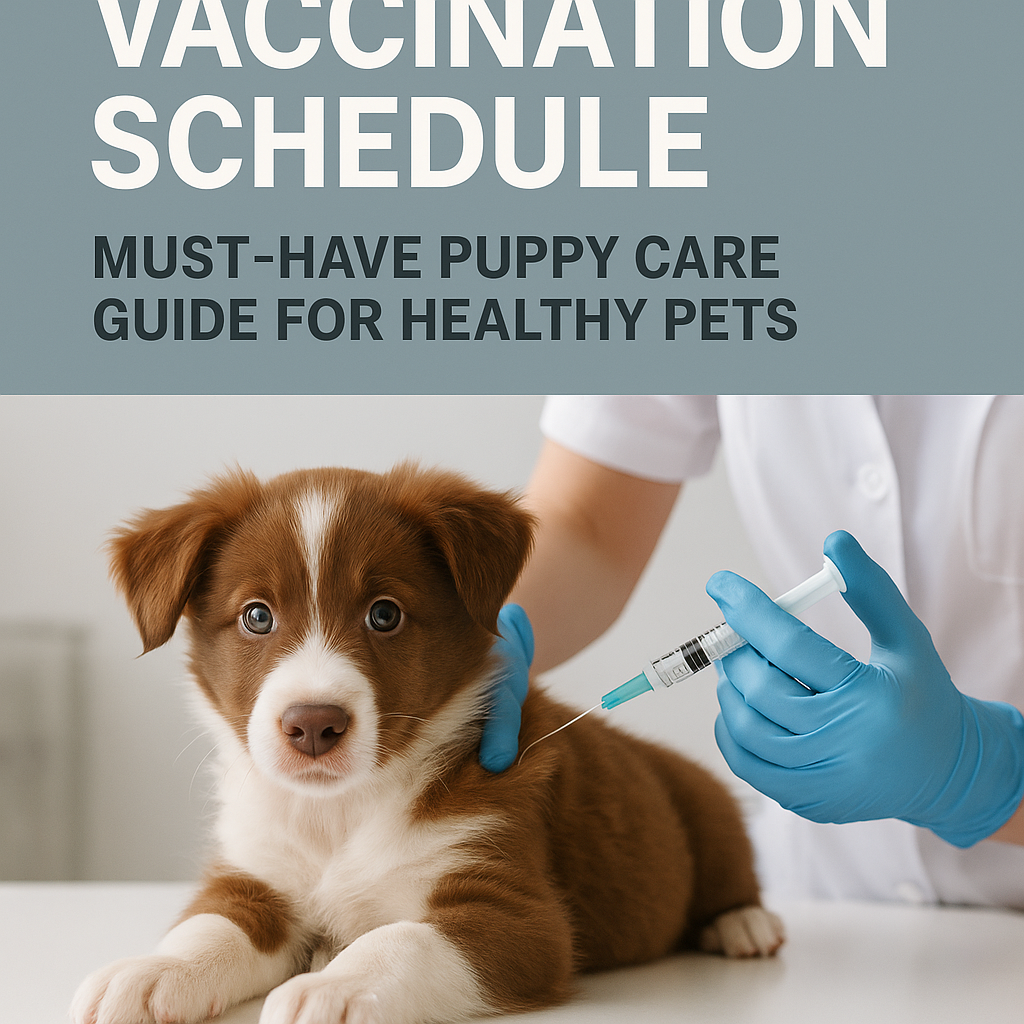
Vaccines stimulate your puppy’s immune system to develop protection against specific viruses and bacteria. Puppies are particularly vulnerable to infections during their first few months because their immune systems are still developing. Without vaccination, they risk catching life-threatening illnesses such as parvovirus, distemper, and rabies. Vaccinations are a crucial preventive measure and form the cornerstone of responsible puppy care.
Understanding the Puppy Vaccination Schedule
The vaccination schedule typically begins when puppies are around 6 to 8 weeks old and continues until they are about 16 weeks or older. Every vet may have slightly different protocols depending on the region and the prevalence of certain diseases, but the general framework remains consistent.
Core Vaccines: Must-Have Immunizations
Core vaccines protect against diseases that are widespread, highly contagious, or particularly dangerous. These include:
– Distemper: A serious viral illness that affects the respiratory, gastrointestinal, and nervous systems.
– Parvovirus: A highly contagious and often fatal virus causing severe gastrointestinal issues.
– Adenovirus (Canine Hepatitis): Affects the liver and can cause severe illness.
– Rabies: A fatal virus transmitted to humans and animals, legally required in most areas.
Puppies typically receive a combination vaccine called the DHPP shot, which covers distemper, hepatitis, parvovirus, and parainfluenza (another respiratory infection). The rabies vaccine is usually administered around 12 to 16 weeks of age.
Non-Core Vaccines: Tailored Protection
Depending on your puppy’s lifestyle and regional risks, your vet may recommend additional vaccines such as:
– Bordetella bronchiseptica (Kennel Cough)
– Leptospirosis
– Lyme Disease
If your puppy will frequently visit dog parks, boarding facilities, or areas with known tick activity, these vaccines are prudent additions.
Typical Puppy Vaccination Timeline
Here is a commonly followed vaccination timeline to help you keep track:
– 6-8 Weeks: First DHPP vaccine
– 10-12 Weeks: Second DHPP vaccine; possibly first Bordetella vaccine if required
– 12-16 Weeks: Third DHPP vaccine; Rabies vaccine administered
– 16-20 Weeks: Optional boosters for non-core vaccines, depending on vet advice
Your veterinarian will provide a personalized schedule and remind you of upcoming shots during well-puppy visits. It’s essential to keep a vaccination record and carry it with you for boarding, travel, or emergencies.
Tips for Successful Puppy Care and Vaccination Visits
1. Prepare Your Puppy for Vet Visits
Early socialization with people and gentle handling can reduce stress during vaccinations. Bring your puppy’s favorite toy or blanket to create a comforting environment.
2. Monitor for Side Effects
Mild side effects like soreness, fatigue, or a slight fever are normal. However, if you notice swelling, difficulty breathing, or severe lethargy, contact your vet immediately.
3. Combine Vaccinations with Overall Health Checks
Vet visits for vaccinations are excellent opportunities for wellness exams, parasite prevention, nutrition consultations, and behavioral advice.
4. Maintain Hygiene and Avoid Risk
Keep your puppy away from high-traffic dog areas until the vaccination series is complete. This precaution minimizes exposure to contagious diseases.
Beyond Vaccinations: Complete Puppy Care Essentials
While vaccinations are a keystone of puppy health, comprehensive puppy care includes regular feeding, training, exercise, grooming, and love. Proper nutrition supports immune function, while positive reinforcement training helps build strong bonds and good behaviors. Regular grooming removes dirt and prevents skin problems, contributing to overall wellness.
Conclusion
Adhering to a proper puppy vaccination schedule is a cornerstone of responsible puppy care. Protecting your pup through timely immunizations shields them from potentially deadly diseases, ensuring they grow into a happy, healthy adult dog. With the right knowledge and collaboration with a trusted veterinarian, you’ll give your puppy the best start to life—a foundation of health, vitality, and joyful companionship. Remember, a well-vaccinated puppy today is a thriving dog tomorrow!