Puppy Care: Must-Have Feeding Schedule by Age for Best Growth
When it comes to puppy care, one of the most critical aspects to focus on is the feeding schedule. Providing your puppy with the right nutrition at the right time supports healthy growth, development, and overall well-being. Puppies have unique dietary needs that change as they age, making it essential to understand how feeding routines evolve from their first weeks to early adulthood. A carefully planned feeding schedule ensures they get balanced nutrients, maintain energy levels, and avoid digestive issues. Here, we’ll break down a must-have feeding schedule by age that promotes optimal growth and health for your furry friend.
Why a Structured Feeding Schedule Matters in Puppy Care
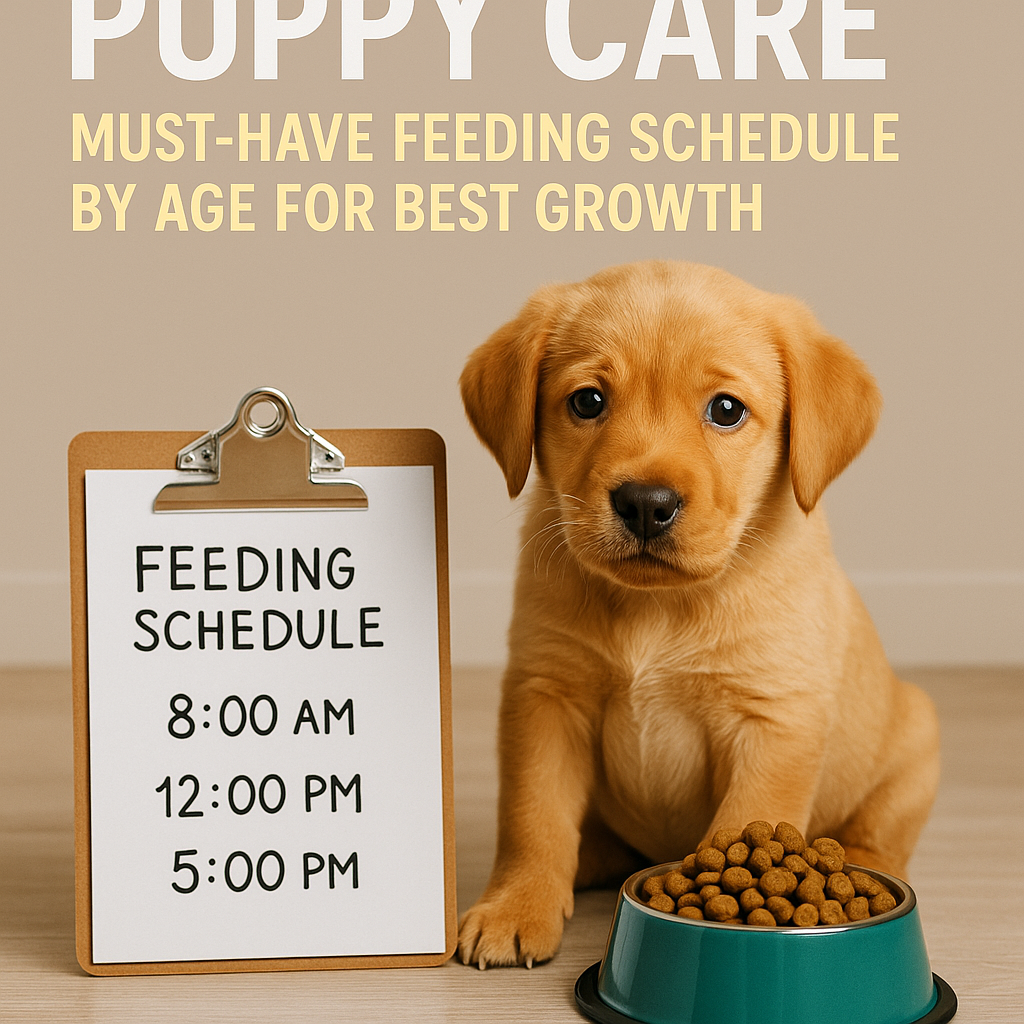
Puppies grow at an astonishing rate — doubling or even tripling their birth weight in just a few weeks. This rapid development calls for a nutritional strategy tailored to fuel their changing bodies. Feeding your puppy too little or too much can lead to problems like stunted growth, obesity, or digestive troubles. Establishing a regular feeding schedule does more than support physical health; it also builds routine and stability, which can aid in training and reduce anxiety for your pet.
A structured feeding routine helps you monitor your puppy’s eating habits and recognize any changes in appetite or digestion that may indicate health concerns. As part of comprehensive puppy care, sticking to a feeding schedule also helps minimize begging and overeating behaviors in the long run.
Feeding Schedule for Newborn to 4 Weeks
During the neonatal stage, puppies rely primarily on their mother’s milk, which provides all the necessary nutrients and immunity-boosting antibodies. In cases where the mother is unavailable or unable to nurse, a specially formulated puppy milk replacer is essential.
– Feeding frequency: Every 2 to 3 hours around the clock
– Portion size: Small volumes depending on weight
– Food type: Mother’s milk or high-quality puppy milk replacer
At this stage, puppies are unable to digest solid food efficiently. It’s crucial to keep feeding equipment sterilized and to feed puppies gently to avoid aspiration or choking. As they approach 3 to 4 weeks, you can begin gradually introducing a soft gruel made from soaked puppy kibble or canned food to ease the transition to solid meals.
Feeding Schedule for 4 to 8 Weeks
Between 4 and 8 weeks, puppies start to wean off milk and eat more solid food. This transition phase is critical to help them adapt to a standard puppy diet.
– Feeding frequency: 4 meals per day
– Portion size: Small portions increasing gradually as appetite grows
– Food type: Soft, moistened puppy kibble or canned puppy food
Moistening the dry food makes it easier for puppies to chew and digest. During this period, consistency is key—feed at about the same times each day to create a healthy routine. Keep an eye on their stool and energy levels to ensure that digestion is going smoothly.
Feeding Schedule for 2 to 6 Months
Puppies at this stage are energetic and growing rapidly. Their nutrient requirements peak, especially protein and fat, to support muscle development, brain growth, and overall maturation.
– Feeding frequency: 3 meals per day
– Portion size: Moderate servings based on puppy’s weight and breed guidelines
– Food type: High-quality dry or wet puppy food formulated for growth
Divide the daily recommended amount into three meals, spaced evenly throughout the day—morning, early afternoon, and evening. This schedule helps sustain energy while supporting healthy digestion. Avoid free-feeding (leaving food out all day) to prevent overeating and promote better training habits.
Feeding Schedule for 6 Months to 1 Year
As puppies approach adulthood, their growth rate begins to stabilize, and their nutritional needs gradually shift from growth to maintenance.
– Feeding frequency: 2 meals per day
– Portion size: Adjust portions to maintain ideal body condition
– Food type: Transition to adult dog food around 9-12 months, depending on breed size
Large and giant breeds may require a slower transition to adult food to avoid digestive upset, while smaller breeds often switch earlier. Feeding twice a day helps maintain steady energy levels and prevents hunger-related behavior issues. Keep fresh water available at all times.
Tips for Successful Puppy Care Feeding
1. Choose the right puppy food: Look for formulas specifically designed for puppies with balanced protein, fat, and essential nutrients. Avoid fillers and artificial additives.
2. Monitor weight and body condition: Regularly check your puppy’s weight and adjust food amounts as needed. Your vet can help guide you.
3. Avoid human foods and table scraps: Many human foods are toxic or nutritionally inappropriate for puppies.
4. Establish a feeding area: A quiet, consistent spot discourages food guarding and distractions.
5. Consult your vet: Always discuss your puppy’s diet and growth progress with your veterinarian to tailor feeding needs based on breed, health, and activity level.
Conclusion
An organized feeding schedule is a cornerstone of effective puppy care. By understanding how feeding frequency, portion size, and food type should evolve throughout your puppy’s first year, you can foster healthy growth and development. Providing balanced nutrition at the right times not only supports your puppy’s physical needs but also promotes good behavior and lifelong habits. Remember, every puppy is unique, so don’t hesitate to seek professional advice to fine-tune your feeding plan. With the right schedule in place, you’ll set your puppy up for a happy, healthy life by your side.