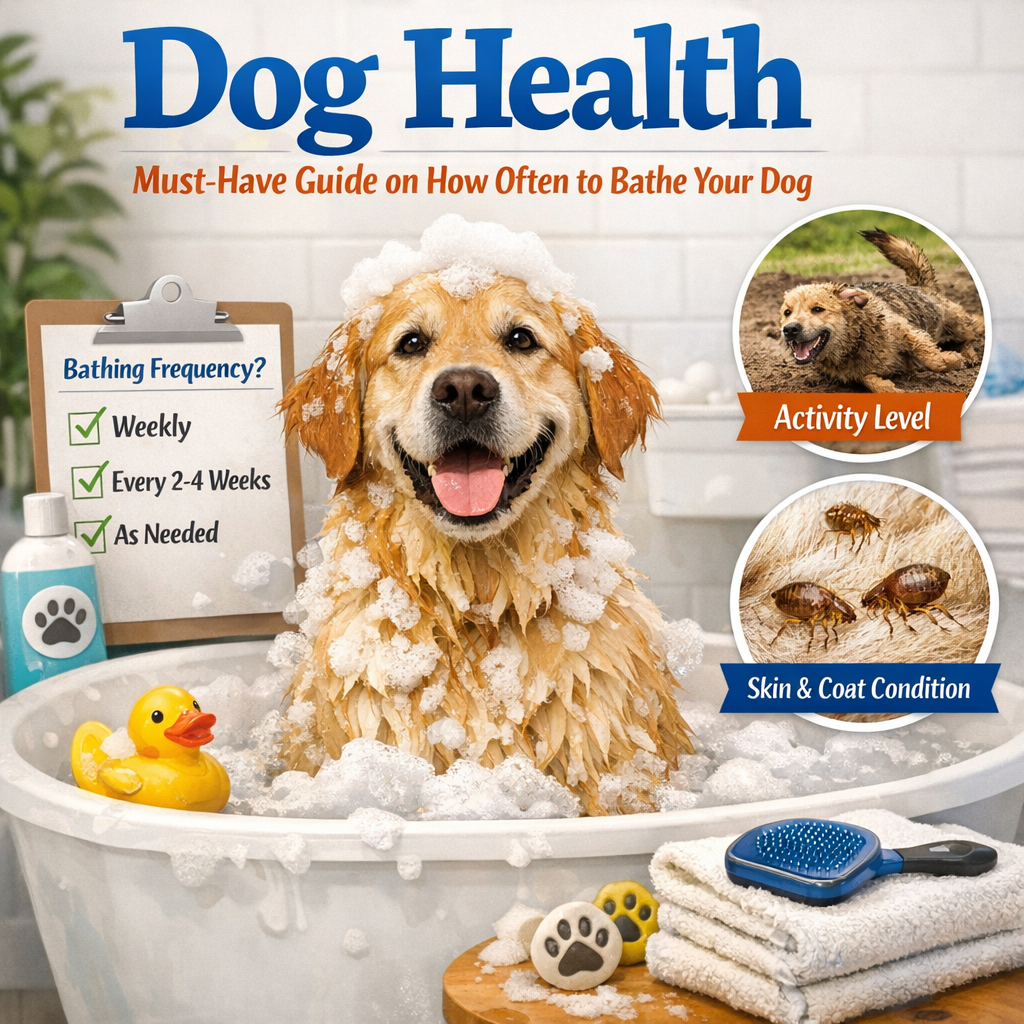
Dog Health: Must-Have Guide on How Often to Bathe Your Dog
Maintaining optimal dog health involves several important practices, and one of the most common questions among pet owners is about how often to bathe their furry friends. Bathing plays a crucial role in keeping dogs clean, comfortable, and healthy, but overdoing it or neglecting bath time can both have adverse effects. In this comprehensive guide, we’ll explore the factors that influence bathing frequency, signs your dog needs a bath, and tips to make the process safe and enjoyable for your pet.
Understanding the Importance of Bathing in Dog Health
Bathing is not just about keeping your dog smelling fresh; it also serves several health-related purposes. Regular baths help remove dirt, allergens, dead skin cells, and parasites like fleas and ticks that can negatively impact your dog’s skin and coat. However, bathing too often can strip away natural oils that protect the skin, potentially leading to dryness, irritation, and infections.
Finding the right balance is key to enhancing your dog’s overall health and well-being. This balance varies depending on the dog’s breed, coat type, lifestyle, and health conditions.
How Often Should You Bathe Your Dog? Factors to Consider
There is no one-size-fits-all answer to how often you should bathe your dog. Typically, most dogs benefit from a bath every 4 to 6 weeks, but individual needs differ based on several factors:
1. Breed and Coat Type
Dogs with oily coats, such as Basset Hounds, may require more frequent baths. On the other hand, breeds with water-repellent coats, like Golden Retrievers, should ideally be bathed less often to maintain their coat’s natural oils. Short-haired breeds may tolerate more frequent bathing, while long-haired breeds often need specialized grooming but less frequent baths.
2. Activity Level and Environment
A dog who spends most of its time indoors and is relatively inactive will not need baths as frequently as a dog that enjoys outdoor adventures, swimming, or playing in mud and dirt.
3. Skin Conditions and Allergies
Dogs with specific skin conditions or allergies might require medicated baths or more frequent cleaning as recommended by a veterinarian. Conversely, bathing too often in these cases can worsen the condition, so always follow professional guidance.
4. Odor and Cleanliness
Sometimes, the need to bathe your dog is dictated by smell or visible dirt. If your dog starts to develop an unpleasant odor, visible grime, or itchy skin, it’s a good signal that a bath is in order.
Signs Your Dog Needs a Bath for Better Dog Health
While a general schedule is helpful, being able to recognize when your dog actually needs a bath is essential for maintaining dog health. Look out for these signs:
– A distinct odor that doesn’t go away with brushing.
– Greasy or dirty coat.
– Excessive scratching or licking that may indicate irritation.
– Visible dirt or debris in the fur.
– Flaky or itchy skin.
– Rolling in something smelly or dirty outside.
Tips to Bath Your Dog Safely and Effectively
Bathing your dog can be a pleasant experience for both of you if done properly. Here are some tips to enhance the process:
Choose the Right Shampoo
Using a shampoo formulated specifically for dogs is crucial, as human shampoos can disrupt the pH balance of their skin. For dogs with sensitive skin, hypoallergenic or medicated shampoos may be necessary.
Prepare Properly
Brush your dog’s coat before the bath to remove mats and tangles. This makes washing easier and prevents discomfort.
Water Temperature and Technique
Use lukewarm water and avoid spraying water directly into your dog’s ears, eyes, or nose. Be gentle and thorough, ensuring all shampoo is rinsed out to prevent irritation.
Drying
Dry your dog thoroughly with a towel or a pet-friendly blow dryer on a low setting. Avoid leaving the dog damp, especially in colder weather, to reduce the risk of illness.
Reward and Comfort
Offer treats and praise throughout to make the bath experience positive. Calm and reassurance go a long way for dogs anxious about water.
Conclusion: Prioritizing Dog Health Through Proper Bathing Habits
Understanding how often to bathe your dog is a vital aspect of maintaining dog health. By considering breed, activity level, skin condition, and environmental factors, you can establish a bathing routine that promotes cleanliness without harming your dog’s skin and coat. Regular grooming, combined with attentive observation for signs of discomfort or skin problems, will help your canine companion stay healthy and happy.
Remember, if you ever feel uncertain about your dog’s bathing needs or notice persistent skin issues, consulting a veterinarian is the best course of action. With the right approach, bathing can become a cherished bonding time that supports your dog’s overall health and well-being.