Puppy Vaccination Schedule: The Must-Have Guide for Easy Puppy Care
Starting puppy care can be a joyful yet overwhelming experience for any dog owner. One of the most critical aspects to understand early on is the puppy vaccination schedule. Vaccinations not only protect your furry friend from a host of serious diseases but also pave the way for a smooth and healthy transition into adulthood. In this guide, we’ll break down the essential shots your puppy needs, when they should receive them, and why sticking to the schedule is vital for their lifelong well-being.
Why Puppy Vaccination is Essential for Puppy Care
Vaccinations shield puppies from infectious diseases that can be severe or even fatal, such as distemper, parvovirus, and rabies. These illnesses spread quickly and can be difficult, if not impossible, to treat once they take hold. By following a proper vaccination schedule, you ensure that your puppy builds immunity gradually while their young, vulnerable body becomes strong and resilient.
Proper vaccination contributes not only to your puppy’s health but also to public safety. For example, rabies vaccines are often required by law to protect both pets and humans. Moreover, many dog parks, boarding kennels, and training classes require proof of up-to-date vaccinations before your puppy is allowed entry.
Understanding the Core Vaccines in a Puppy Vaccination Schedule
The core vaccines are recommended for all puppies regardless of their environment because of the high risk or severity of the diseases they protect against. These core vaccines typically include:
– Distemper: A highly contagious viral disease affecting the respiratory, gastrointestinal, and nervous systems.
– Parvovirus: A severe and often deadly viral infection causing vomiting, diarrhea, and dehydration.
– Adenovirus (Canine Hepatitis): Causes liver disease and can affect multiple organs.
– Rabies: A fatal virus affecting the nervous system, transmissible to humans.
In addition to these, your vet may recommend non-core vaccines based on your puppy’s lifestyle, region, or risk exposure, such as Bordetella (kennel cough), Lyme disease, or Leptospirosis.
The Typical Puppy Vaccination Schedule
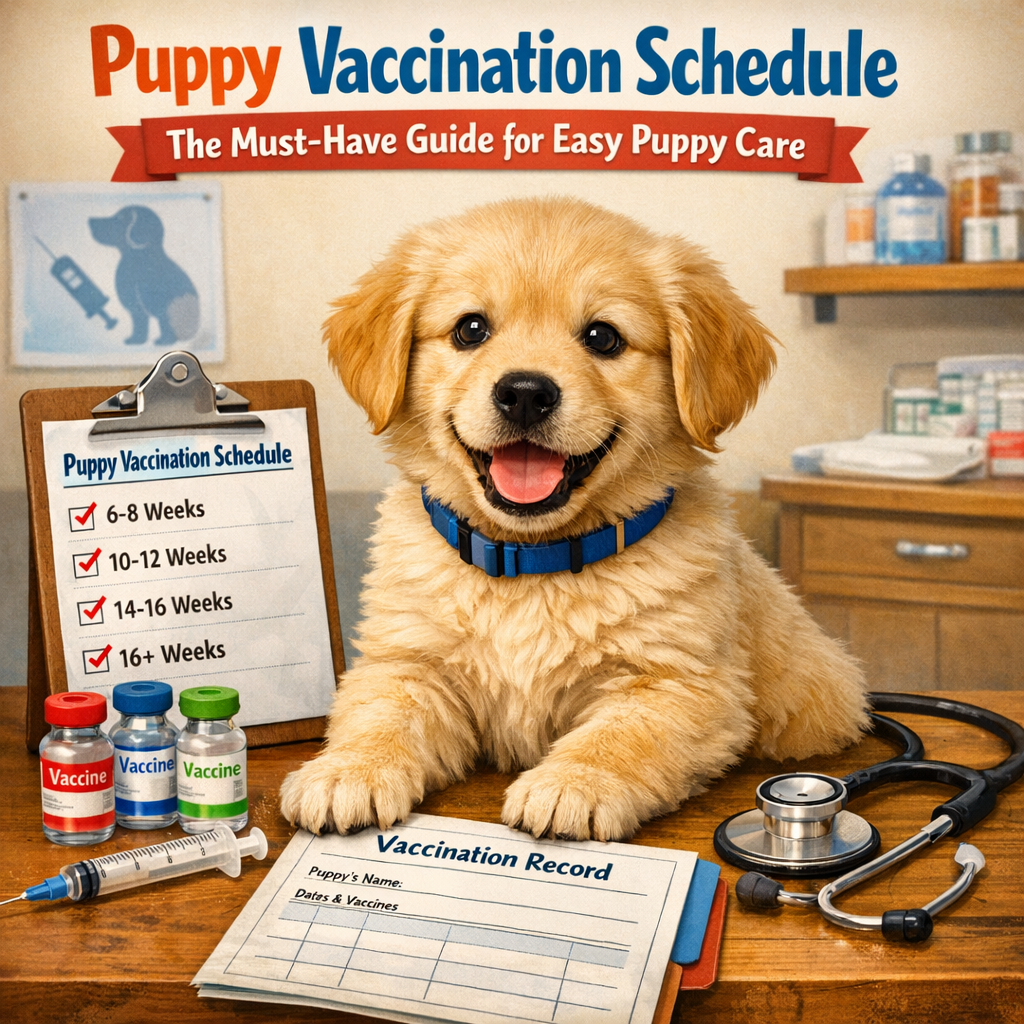
Every veterinarian might have a slightly different timeline depending on your puppy’s breed, health status, and environment. However, a common vaccination schedule looks like this:
– 6 to 8 weeks: First vaccination including DHPP (distemper, hepatitis, parainfluenza, parvovirus).
– 10 to 12 weeks: Second DHPP booster and possibly Leptospirosis or Bordetella, depending on risk.
– 14 to 16 weeks: Third DHPP booster and rabies vaccine.
– 12 to 16 months: Booster vaccinations for DHPP and rabies.
After the initial puppy series, most adult dogs will need booster shots every 1 to 3 years depending on the vaccine type and local regulations.
Tips for Making Vaccination Easy and Stress-Free
For puppy owners, managing multiple vet visits and needles can feel daunting, but a few simple strategies can make it easier for both you and your pup:
– Keep a vaccination record: Use a dedicated health booklet or app to track appointments and vaccines.
– Schedule all shots ahead of time: Planning multiple visits helps avoid missed vaccines, which put your puppy at risk.
– Create positive associations: Reward your puppy with treats, toys, and affection after every vet visit.
– Communicate with your vet: Discuss any concerns about side effects or vaccinations’ timing, especially if your puppy has pre-existing health issues.
Common Questions About Puppy Vaccinations
– Can my puppy get vaccinated too early?
Puppies receive some immunity from their mother’s milk, which can interfere with early vaccines. This is why the schedule starts around 6 to 8 weeks to balance protection and chance for the vaccine to work.
– Are vaccines safe for puppies?
Yes, vaccines are generally very safe. Mild side effects such as soreness or mild lethargy can occur but serious reactions are rare.
– Do vaccinations provide lifetime immunity?
Most require periodic boosters because immunity can wane over time.
Conclusion: Prioritize Your Puppy’s Health with a Solid Vaccination Routine
Incorporating vaccinations into your puppy care routine is a cornerstone of responsible pet ownership. Understanding the vaccination schedule and following it diligently gives your puppy the best start in life, safeguarding them against dangerous diseases while ensuring their development is healthy and happy. Remember, your veterinarian is your best resource for tailored advice to fit your puppy’s unique needs. With a little planning and care, your journey through puppyhood will be safer, easier, and enjoyable — for both you and your new best friend.